
Give us a call: 763-220-3765


Is your morning shower getting colder? Are you running out of hot water faster than you used to? Your water heater might be trying to tell you something. At First Class Plumbing, we've seen countless Minnesota homeowners struggle with failing water heaters, and we're here to help you recognize the warning signs before you're stuck with an ice-cold shower on a January morning.
This is the number one sign homeowners notice. If you used to comfortably get through four 20-minute showers, but now you can only manage four 10-minute showers before the hot water runs out, your water heater is losing efficiency. The heating element may be failing, or sediment buildup is reducing your tank's capacity.
What's happening: Over time, minerals from your water settle at the bottom of the tank, taking up valuable space and insulating the water from the heating element.
According to Bradford White, the industry-leading manufacturer we trust, water heaters have a standard life expectancy of 10-12 years. We've seen them last as little as 6 years and as long as 25, but if yours is approaching that decade mark, it's time to start planning.
Pro tip: Don't wait for it to fail completely. When we do a whole home plumbing inspection, we'll check your water heater's age and condition so you can budget for replacement before you're facing an emergency.
Leaks are never a good sign. If you see moisture, rust, or standing water around your water heater, the tank may be corroding from the inside out. Once a tank starts leaking, replacement is your only option—repairs won't fix a compromised tank.
Warning: A leaking water heater can cause significant water damage to your home. If you notice any moisture, call us immediately at 763-220-3765.
When you turn on your hot water and it comes out rust-colored or has a metallic taste, it's likely that the inside of your tank is corroding. This is especially common in older water heaters where the protective anode rod has depleted.
According to the U.S. Department of Energy, regular maintenance can extend your water heater's life, but once rust enters the water supply, replacement is typically necessary.
Those strange sounds coming from your water heater aren't ghosts—they're sediment buildup hardening on the bottom of the tank. As the water heats, it has to push through this layer, creating those unsettling noises. This makes your water heater work harder and reduces its efficiency.
At First Class Plumbing, we primarily install Bradford White water heaters because they offer the best combination of quality, affordability, and longevity. Unlike the lesser-quality models you'll find at big box stores, Bradford White products are built to last and come with excellent warranty support.
We've had situations where a water heater was 6 years and 2 months old—technically past its 6-year tank warranty—and Bradford White still honored it. That's the kind of reliability and customer service you don't get with cheaper alternatives.
When you choose First Class Plumbing for your water heater replacement, here's what sets us apart:
You might be tempted to save money by buying a water heater from a home improvement store and installing it yourself. Here's what you need to know:
Big box store water heaters are lesser quality. They're cheaper for a reason—they don't last as long and often come with limited warranty support.
Installation matters. Improper installation can void warranties, create safety hazards, and lead to costly repairs down the line.
Hidden costs add up. Factor in the time to pick it up, haul away the old one, find a place to dispose of it properly, and the risk of doing it wrong—and suddenly our professional service becomes the better value.
This is one of the most common questions we get. The answer isn't based on how many people live in your home right now—Minnesota plumbing code requires us to size water heaters based on the number of bedrooms and bathrooms. This ensures the system is adequate for the property, not just the current occupants.
That said, a 50-gallon water heater is only about $50 more than a 40-gallon model, and with supply and demand being so close, we typically recommend the 50-gallon to give you that extra buffer. But if budget is tight, we'll always present you with multiple options so you can make the best decision for your situation.
If your water heater is approaching 15 years old, start saving now. We recommend setting aside funds for replacement so you're not caught off guard by a sudden failure and emergency expense.
At First Class Plumbing, we believe in honest recommendations. When we're at your home for any service, we provide a free whole home inspection. If we notice your water heater is getting old, we'll mention it—not to pressure you into an immediate sale, but to help you plan ahead.
Don't wait until you're without hot water. Contact First Class Plumbing today for a free consultation on your water heater replacement needs. We serve homeowners throughout Maple Grove and the Northwest Twin Cities metro area, providing honest, professional plumbing services you can trust.
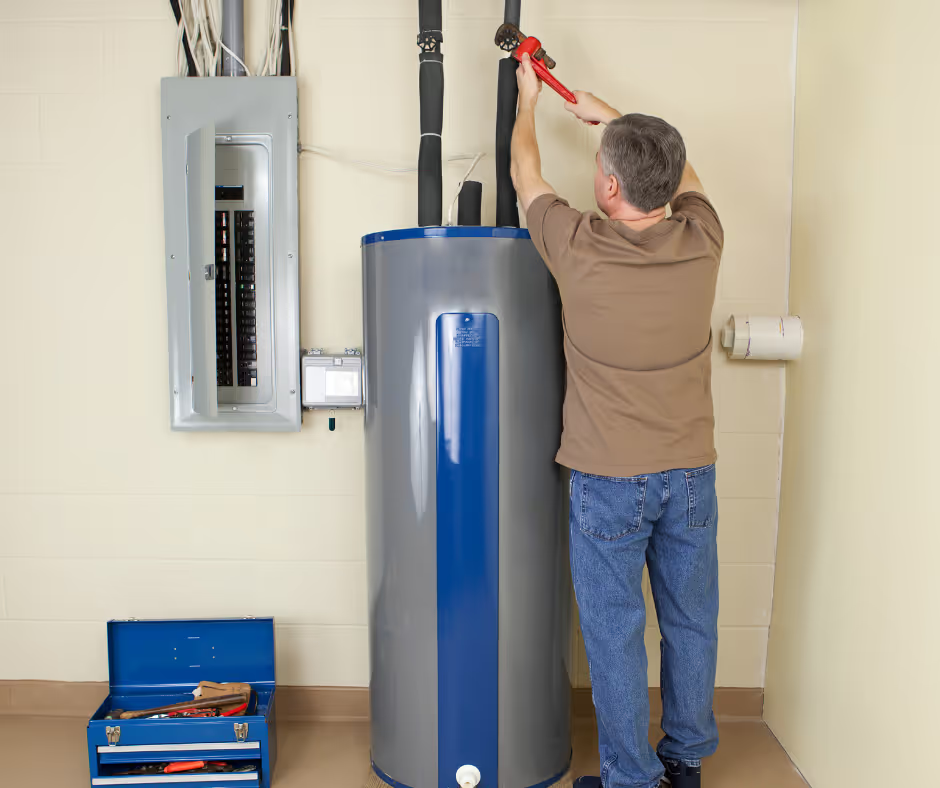
Learn what sounds can signal an issue with a water heater.
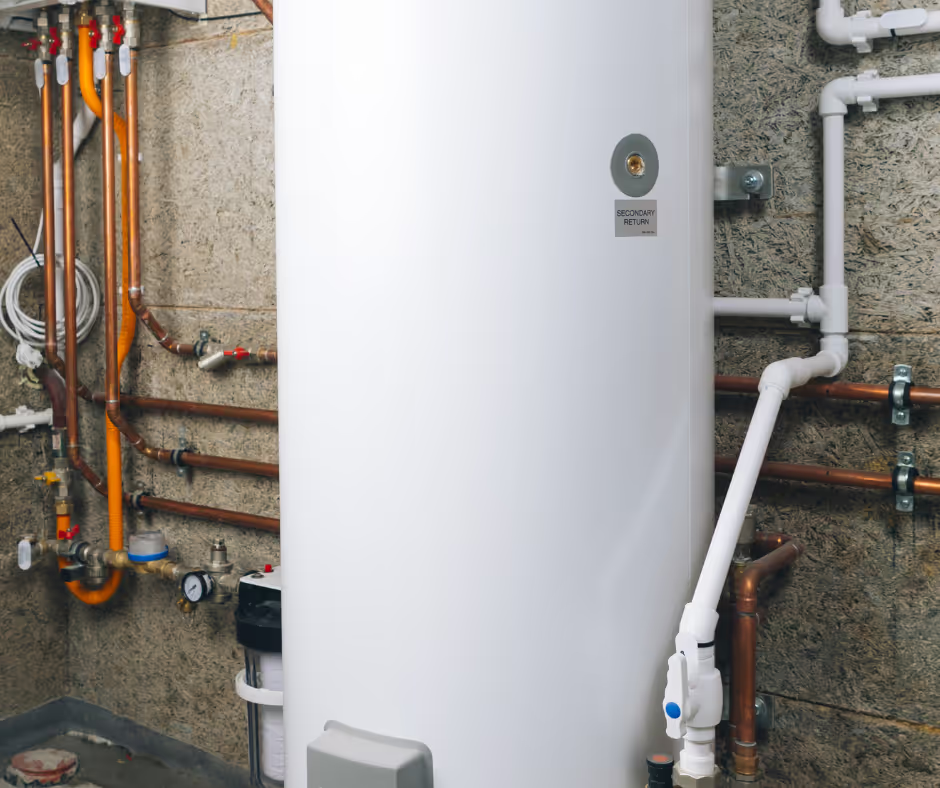
Get the right-sized water heater for your Maple Grove home.

That 1960s American Standard or 1970s Rheem tank in your basement might still work, but can you get parts when something breaks? Learn what's available, what's discontinued, and why repair rarely makes sense.

Worried your water heater might be recalled? The CPSC maintains a searchable database of every water heater recall by brand, model, and serial number—learn how to check yours and what to do if it's recalled.

Not every water heater failure causes flooding, but about 40-50% do—and the damage ranges from minor to catastrophic. Learn the statistics, what factors increase damage risk, and how to protect your home.

Most water heaters fail at 8-12 years, so why do some Bradford White tanks still work perfectly at 20+ years? Discover what makes Bradford White different and whether it's worth the premium price.