
Give us a call: 763-220-3765


TLDR: Yes, 1990s glass-lined water heaters are especially prone to sudden catastrophic failure because they're 30-35 years old and the glass lining has been gradually cracking for decades. Once the lining fails completely, corrosion accelerates exponentially and the tank can rupture within days or weeks. Call First Class Plumbing at 763-220-3765 for emergency water heater replacement in Maple Grove.
Let's be transparent about this article. We wrote it to rank for "1990s water heater failure," "glass lined tank problems," and "sudden water heater failure." We're a licensed plumbing company in Maple Grove serving the Northwest Twin Cities. We need homeowners with aging water heaters to find us. But we genuinely want to help you understand why 1990s water heaters are ticking time bombs that can fail catastrophically with minimal warning.
Water heaters manufactured in the 1990s are now 30-35 years old, which is two to three times their designed lifespan. The glass lining inside these tanks has been subjected to thermal cycling for three decades. Every heating and cooling cycle causes microscopic expansion and contraction that cracks the glass. This Old House explains that glass-to-steel bonds weaken over time regardless of maintenance. After 30 years, the lining is severely compromised throughout Plymouth, Minnetonka, and Brooklyn Park.
A water heater heats and cools 2-4 times daily on average. Over 30 years, that's 22,000-44,000 thermal cycles. Each cycle creates tiny stresses in the glass lining. The cracks are initially microscopic but gradually propagate and connect. By year 30, the lining might look intact but be fractured into thousands of tiny segments barely adhering to the steel. When a large section finally separates, water contacts bare steel across a wide area and corrosion accelerates dramatically. Family Handyman describes how this cumulative damage process leads to sudden failures.
Anode rods typically last 3-5 years before complete consumption. On a 30-year-old water heater, the anode rod was consumed 25 years ago. Since then, the tank has been corroding unprotected. Corrosion products accumulate as rust and sediment at the bottom of the tank. This sediment is actually corroded steel that used to be part of the tank wall. When you see heavy sediment in a 1990s water heater during service calls in Coon Rapids, Golden Valley, or Blaine, you're looking at evidence of advanced internal corrosion. Call 763-220-3765 immediately if you have a 1990s water heater showing any warning signs.
The failure process is exponential, not linear. A water heater might show no problems for 29 years, then develop catastrophic leaking in its 30th year within days. This happens because once the glass lining fails across a significant area, corrosion accelerates rapidly. Water contacts steel, rust forms, rust is porous and holds more water against steel, corrosion accelerates further. Bob Vila warns that sudden failures are characteristic of very old water heaters where multiple systems fail simultaneously.
Once one area of the tank wall develops a weak spot from corrosion, the water pressure concentrates stress on that weak point. The weak spot expands and thins further. Eventually it develops a pinhole leak. Water pressure forces water through the pinhole, which enlarges it rapidly. What starts as a drip can become a flood within hours as the corroded steel tears under pressure. Angi explains that this cascade effect is why water heater failures escalate so quickly once they start. We respond to these emergency floods regularly throughout Maple Grove and St Louis Park.
Water heaters work hardest during morning showers and evening activities. The burner or heating element runs frequently, cycling the tank temperature up and down. This cycling stresses already-weakened glass lining and corroded steel. A 30-year-old tank that seemed stable can fail during a period of heavy use when temperature cycling is most intense. Winter months see more failures because cold inlet water creates greater temperature differentials. We see this pattern clearly in our emergency call data from Brooklyn Park, Minneapolis, and throughout the Northwest Metro.
Rust-colored water is the clearest warning that the glass lining has failed and the tank is corroding. Any moisture or water around the base means leaking has started. Loud rumbling or banging sounds indicate severe sediment buildup from corrosion. Metallic taste in hot water means dissolved steel in the water. Sudden changes in how long hot water lasts indicate sediment is displacing water capacity. Mr. Rooter lists these warning signs and emphasizes their urgency on very old water heaters.
If your 1990s water heater produces rust-colored water, you have weeks at most before catastrophic failure, possibly just days. This isn't a minor problem to monitor. The rust you see is steel that used to be part of the tank wall. That wall is getting thinner every hour. Turn off the water heater, shut off the cold water supply, and call us immediately at 763-220-3765. We can often provide same-day emergency replacement throughout Plymouth, Wayzata, and Edina to prevent flooding disasters.
Many homeowners notice subtle changes but dismiss them as minor annoyances. The water takes longer to heat. The recovery time between showers increases. Strange sounds develop but become normal background noise. Small amounts of moisture appear but dry up. These subtle changes are the water heater telling you it's failing. Don't ignore them. On a 30-35 year old unit, any change is serious. Consumer Reports emphasizes that very old appliances deserve immediate attention when they show any symptoms because failure is imminent.
Water in Maple Grove and the Northwest Metro contains high levels of dissolved calcium and magnesium. These minerals precipitate onto the glass lining, creating scale buildup. Scale acts like sandpaper, abrading the glass during thermal expansion and contraction. Family Handyman explains that hard water environments are much harder on water heaters than soft water areas. A water heater that might last 35 years in Seattle might only last 25 years in Minnesota due to water chemistry differences.
Scale deposits provide sites where corrosion can initiate once the glass lining cracks. The scale holds water against the steel in areas where the glass has separated. This localized corrosion creates pits in the steel. Pitted steel corrodes faster than smooth steel. The corrosion products (rust) create more surface area for further corrosion. This positive feedback loop is why old water heaters in hard water areas fail suddenly once the process starts. We see the results during disposal when we cut open failed tanks from homes in Golden Valley, Coon Rapids, and Blaine.
Installing a water softener now won't save a 30-year-old water heater. The damage is already done. Water softeners help new water heaters last longer by preventing scale formation from the start. But once a tank has decades of scale buildup and glass lining damage, softening the water can't reverse it. Water softener installation is a smart investment to protect your new water heater after replacing the old one. Many of our customers throughout Minneapolis and St Louis Park install softeners when they replace ancient water heaters to ensure the replacement lasts its full expected lifespan.
No, not if you value your home and want to avoid water damage. Even if your 1990s water heater appears to work perfectly with no symptoms, it's 30-35 years old and living on extreme borrowed time. The statistical probability of imminent failure is very high. Bob Vila recommends proactive replacement for any water heater over 12 years old. A unit from the 1990s is nearly three times that age.
Some homeowners feel attached to water heaters that have served them reliably for decades. This emotional attachment is understandable but financially foolish. You're risking thousands of dollars in water damage to keep using a $1,200 appliance that's outlived its design life by 20 years. The nostalgia isn't worth the risk. Replace it now while you can plan the timing and budget. We help homeowners in Maple Grove and Minnetonka overcome this attachment by explaining the real risks and costs of waiting.
Even vacation homes with 1990s water heaters should replace them. The damage when a vacation home water heater floods can be worse because the leak might go undetected for days or weeks until your next visit. The water damage, mold growth, and repair costs can exceed $20,000. Water heaters don't care whether the home is a primary residence or vacation property. Age matters more than usage. Call First Class Plumbing at 763-220-3765 to schedule proactive replacement before your next vacation at your cabin or lake home in the Northwest Metro area.
Based on our service experience across thousands of water heater failures, approximately 70% of 1990s water heaters that fail do so catastrophically with flooding. Only 30% develop slow leaks that homeowners catch before major damage occurs. Angi reports similar statistics showing that very old water heaters fail suddenly more often than gradually. The older the unit, the higher the catastrophic failure percentage.
Young water heaters that develop problems often leak slowly from connections or the pressure relief valve first. These slow leaks provide warning. Very old water heaters have such advanced corrosion that when they finally breach, the corroded steel tears rapidly under pressure rather than developing small drips. The steel is so thin and weak that it can't contain the pressure once breached. Homeowners throughout Plymouth and Brooklyn Park who've experienced these floods describe them as "sudden" even though the internal corrosion was developing for years invisibly.
We notice that catastrophic water heater failures often happen on Monday mornings or after vacations. The water heater sits relatively idle over weekends or during vacations, then gets hit with heavy demand when people return. This demand surge after idle time stresses weak spots and triggers failures. If you have a 1990s water heater and you're planning a vacation, strongly consider replacing it before you leave. The likelihood of coming home to a flooded basement is unacceptably high. We offer expedited service for customers with travel plans who need replacement before departing.
No inspection technology can reliably predict when a specific 30-year-old water heater will fail. Ultrasonic testing could theoretically measure steel thickness but requires specialized expensive equipment and trained operators. The cost would exceed water heater replacement cost. Visual inspection can identify external problems but not internal corrosion. This Old House confirms that inspection has severe limitations on very old water heaters because the critical damage is internal and invisible.
When a water heater is 30-35 years old, you don't need sophisticated testing to know it should be replaced. The age itself tells you failure is imminent. It's like asking whether a 40-year-old car with 500,000 miles needs inspection to determine if the engine might fail soon. The answer is that the engine definitely will fail soon, inspection just can't tell you whether it's this week or next month. Replace the water heater proactively and eliminate the uncertainty. We provide this honest assessment to customers throughout Golden Valley, Coon Rapids, and Blaine even though it means we don't get paid for inspection services.
Many insurance companies won't cover water damage from water heaters over 15 years old, or they require proof of recent professional inspection and maintenance. Some exclude coverage entirely for units over 20 years old. A 30-year-old water heater is definitely past any reasonable coverage threshold. Check your policy. You're probably personally liable for any damage that occurs. This risk alone justifies immediate replacement. Consumer Reports advises reviewing insurance coverage for aging appliances regularly.
Proactive replacement costs $1,500-2,500 depending on capacity and installation complexity. Water damage from a catastrophic failure costs $5,000-15,000 for repairs including drywall, flooring, stored items, and mold remediation. Emergency replacement costs 30-50% more than planned replacement. The math clearly favors proactive replacement. You save money even though you're replacing something that technically still works. Bob Vila breaks down typical replacement and repair costs to show why proactive replacement makes financial sense.
Beyond the financial calculation, consider the stress relief of not worrying whether today is the day your water heater floods the basement. You won't wonder every time you hear a noise whether the water heater is failing. You won't worry about leaving for vacation. You can sleep soundly knowing your water heater is reliable. This peace of mind has real value for homeowners throughout Maple Grove, Plymouth, and Minnetonka. Many customers tell us they wish they'd replaced their ancient water heaters sooner just to eliminate the constant worry.
A 1990s water heater uses 40-50% more energy than a modern efficient unit. Over one year, this waste costs $200-300 in excess utility bills. Over five years, the energy waste alone costs more than replacement. Additionally, the environmental impact of wasted energy exceeds the environmental cost of manufacturing and disposing of one water heater. Keeping ancient appliances running isn't environmentally responsible despite the intuition that using things until they completely die is virtuous. Modern efficiency improvements are significant enough that replacement makes environmental sense on 30-year-old units.
Call First Class Plumbing at 763-220-3765 today to schedule replacement within the next 1-2 weeks. Don't wait for symptoms. Don't wait for your next paycheck. Don't wait until after the holidays. The flood risk increases every day. Schedule the replacement, set aside the money, and get it done before disaster strikes. We can work with your schedule and budget to make this happen safely before your 1990s water heater destroys your basement.
We wrote this content to rank for search terms like "1990s water heater failure," "glass lined tank problems," and "sudden water heater failure," but we also wrote it to actually help you. If this guide convinced you that your 1990s water heater is a disaster waiting to happen, great. You can take action before catastrophic failure occurs. If you need emergency or planned water heater replacement, call First Class Plumbing at 763-220-3765. We're here to serve homeowners throughout Maple Grove, Plymouth, Minnetonka, Brooklyn Park, Coon Rapids, Golden Valley, Minneapolis, Blaine, St Louis Park, Wayzata, Edina, Osseo, and the entire Northwest Metro with honest, licensed plumbing services including emergency same-day water heater replacement.

Is your water heater under warranty? Our team breaks down the key information you need to know.
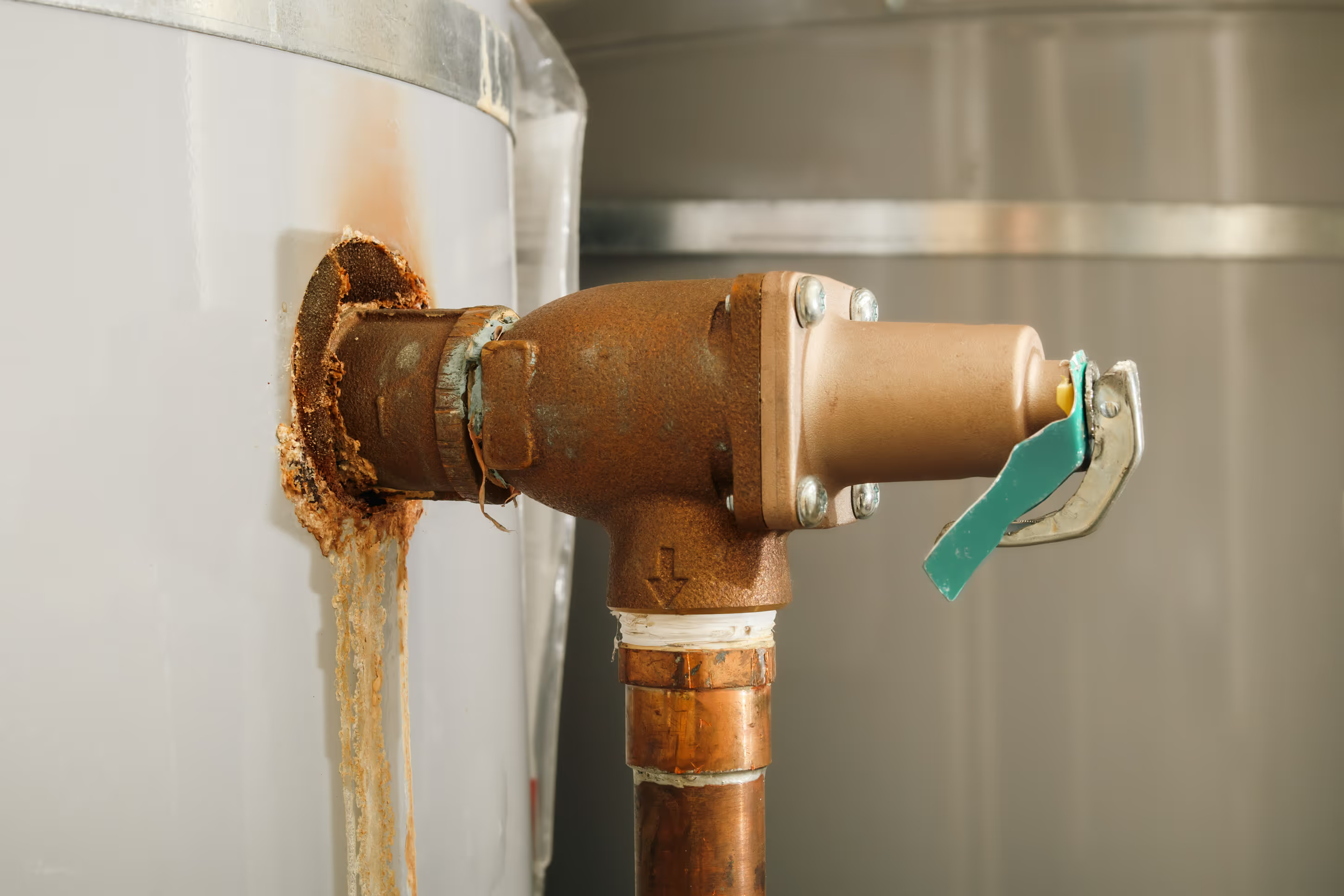
Is it time to schedule a water heater replacement or installation? Watch for these key symptoms.
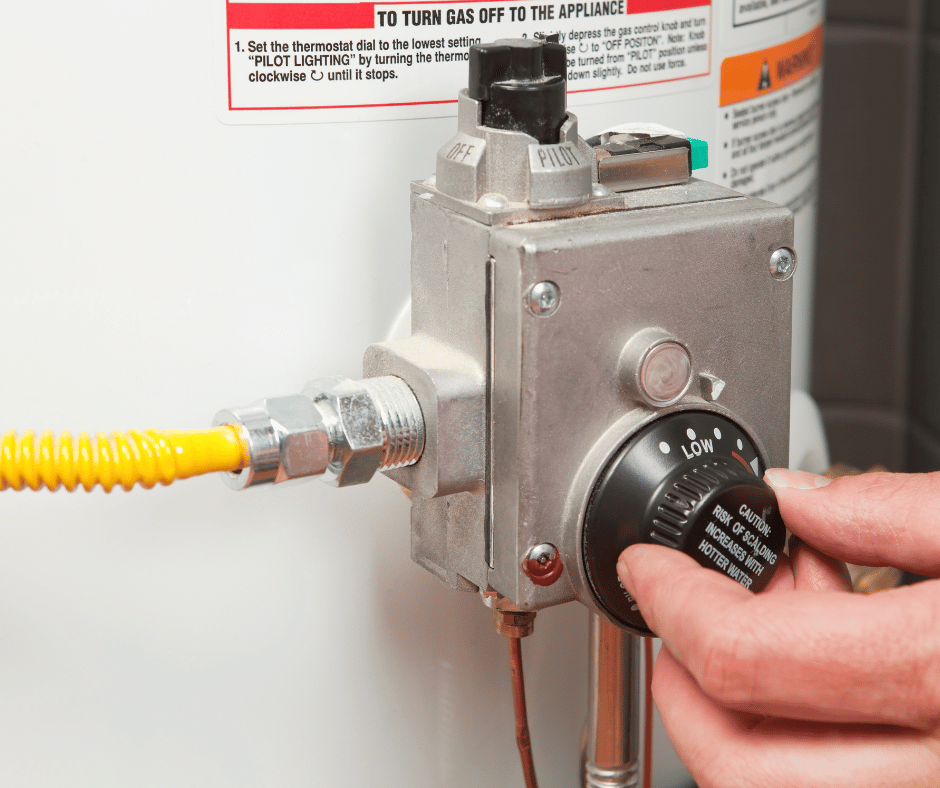
If your water heater malfunctions, should you repair it or replace it? Our experts weigh in!