
Give us a call: 763-220-3765

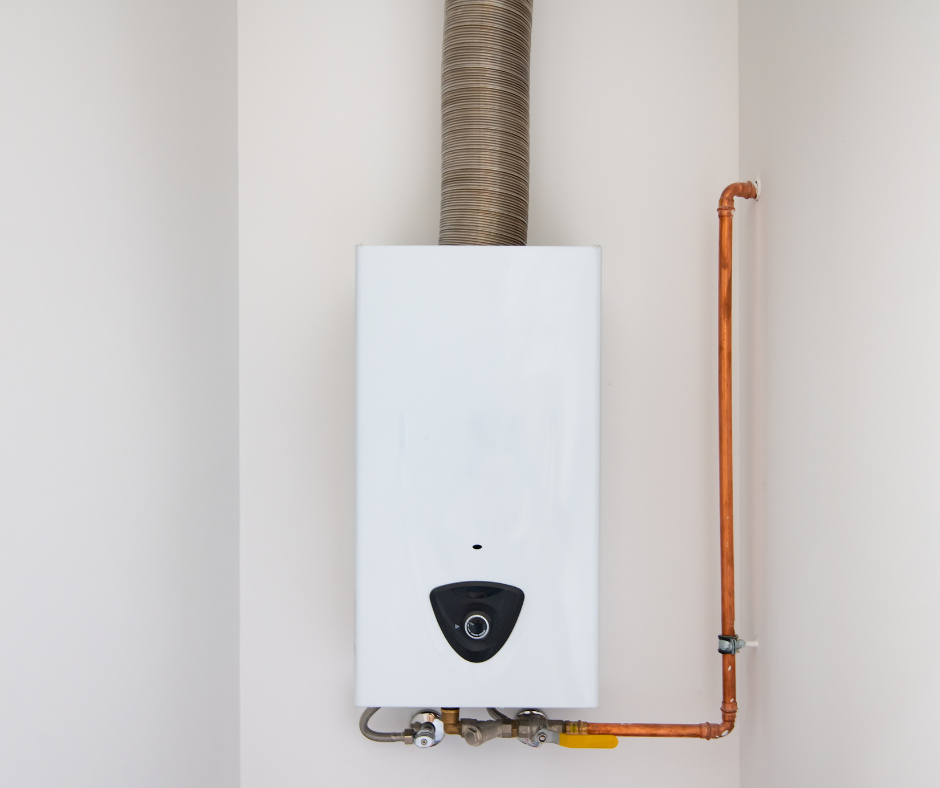
If you're searching for "tankless water heater Maple Grove" or "can I replace my tank water heater with tankless," you're asking one of the most common questions we hear at First Class Plumbing. The short answer is yes—Twin Cities homeowners can absolutely switch from a traditional tank water heater to a tankless system. But whether you should depends on several factors specific to your Maple Grove home.
We install both tank and tankless water heaters throughout Maple Grove, Plymouth, Minnetonka, and the Northwest Metro. Here's everything you need to know about making the switch in your Minnesota home.
Traditional tank water heaters store 40, 50, or 75 gallons of hot water and keep it heated around the clock. Tankless water heaters—also called on-demand water heaters—heat water only when you need it. When you turn on a hot water tap in your Maple Grove home, cold water flows through the tankless unit, gets heated instantly by gas burners or electric elements, and arrives at your faucet.
The appeal is obvious: you never run out of hot water. There's no waiting for a tank to refill and reheat after someone takes a long shower. For large families in the Twin Cities area, this sounds like the perfect solution.
But tankless systems work differently than tank water heaters, and that difference matters in Minnesota's climate.
Here's what many Maple Grove homeowners don't realize about tankless water heaters: their performance depends heavily on incoming water temperature. In Minnesota, our groundwater temperature in winter can drop to 37-40 degrees Fahrenheit. That's significantly colder than groundwater in southern states.
When your tankless water heater has to heat 40-degree water up to 120 degrees for your shower, it requires more energy and time than heating 55-degree water in warmer climates. This affects flow rate—the gallons per minute your tankless system can deliver.
A tankless unit that provides 5 gallons per minute in Texas might only deliver 3.5 gallons per minute in a Maple Grove home during January. If you're running a shower and the dishwasher simultaneously, you might notice temperature fluctuations that wouldn't happen with a traditional tank system.
This doesn't mean tankless systems don't work in Minnesota—they absolutely do. But you need to size them correctly for our climate, which often means choosing a larger capacity unit than a homeowner in a warmer state would need.
If you're switching from a gas tank water heater to a gas tankless system, your existing gas line probably isn't adequate. This is one of the biggest surprises for Twin Cities homeowners considering the switch.
Tankless water heaters require significantly more gas flow than tank systems. A traditional 50-gallon gas water heater might need a ½-inch gas line. A tankless unit powerful enough to serve a whole house in Maple Grove typically requires a ¾-inch or even 1-inch gas line.
Upgrading your gas line means additional costs beyond the tankless unit itself. We need to install new gas piping from your gas meter to the tankless water heater location. Depending on the distance and your home's construction, this can add $1,500 to $3,000 to your installation cost.
Some Maple Grove homes have gas meters that also need upgrading to handle the increased demand. Your local gas utility handles meter upgrades, but it adds time to the project and requires coordination.
The good news: once the gas line is properly sized, your tankless system will perform reliably for years. But budget for this upgrade when planning your switch.
Gas tankless water heaters need electrical power too—not for heating the water, but for the electronic controls, ignition system, and internal fans. Most require a dedicated 120-volt circuit.
If you're considering an electric tankless water heater for your Maple Grove home, the electrical requirements become far more significant. Electric tankless systems pull enormous amounts of power when operating.
A whole-house electric tankless water heater might require three 40-amp, 240-volt circuits. Many Twin Cities homes don't have the electrical panel capacity to support this without a complete panel upgrade. For homes with 100-amp or 150-amp service, you're looking at an electrical service upgrade before you can even install the tankless system.
This is why we rarely recommend whole-house electric tankless systems for existing homes in the Northwest Metro. The electrical infrastructure upgrades often cost more than the tankless unit itself. Electric tankless systems work well for point-of-use applications—like a single bathroom or a kitchen sink—but gas tankless makes more sense for whole-house applications in Minnesota.
Your existing tank water heater probably vents through a standard metal flue pipe that connects to your chimney. Most modern tankless water heaters use different venting that won't work with your existing setup.
High-efficiency tankless systems use PVC or CPVC pipes for venting, and they require both an intake for combustion air and an exhaust for combustion gases. This means we're running two pipes through your exterior wall—one bringing air in, one sending exhaust out.
For Maple Grove homes with basements, this venting requirement can be challenging. We need to route those PVC pipes through your foundation wall to the exterior, which requires drilling large holes and careful sealing to prevent air leaks and water intrusion.
Some tankless units can use power-vented systems that work with existing chimney flues, but these are less common and typically less efficient.
The venting changes add both cost and complexity to switching from tank to tankless in existing Twin Cities homes. New construction is much easier because we can plan the venting before the walls are closed up.
Let's talk real numbers for Maple Grove homeowners. A quality tank water heater installation with a Bradford White 50-gallon tank typically ranges from $1,800 to $2,500, including the unit, installation labor, permits, and disposal of your old water heater.
A tankless water heater installation in the same Maple Grove home runs $4,000 to $7,000 or more, depending on:
That's a significant price difference. To justify the higher cost, you need to consider the long-term operating cost savings and the benefits of endless hot water.
We wrote an entire blog post about whether tankless water heaters save money on gas bills because this question comes up constantly with Twin Cities homeowners.
The honest answer: maybe, but probably not enough to justify the higher installation cost on operating savings alone.
Tankless water heaters are more energy-efficient because they're not maintaining a tank of hot water 24/7. You'll save some money on your gas or electric bill. But in Minnesota's climate with our cold incoming water, the savings typically amount to $10 to $30 per month compared to a modern, well-insulated tank water heater.
At $20 per month in savings, you'd need 10+ years to recover the additional $2,500 to $4,000 you spent on tankless installation versus tank installation. And tankless systems do require maintenance—annual descaling in areas with hard water like Maple Grove—which adds to your operating costs.
The real value of tankless isn't the operating cost savings. It's the endless hot water and the space savings, especially for homes with large families or high hot water demand.
One genuine advantage of tankless water heaters for Twin Cities homes: they're small. A tankless unit about the size of a carry-on suitcase replaces your 50-gallon tank that's 5 feet tall and 2 feet wide.
For Maple Grove homes with limited utility room space, this matters. We've installed tankless systems in closets, on walls in mechanical rooms, and even in garages where there wasn't room for a traditional tank.
The compact size also allows for creative installations. We can sometimes mount a tankless water heater closer to your home's primary hot water users, reducing the time it takes for hot water to reach your fixtures. This addresses the common complaint about waiting for hot water in larger homes.
However, tankless systems need adequate clearance for servicing and air flow. We can't just stick them in any tight corner. And remember those venting requirements—we need access to an exterior wall for proper venting.
Here's something most Maple Grove homeowners don't realize when they're excited about going tankless: these systems require annual maintenance in our hard water area.
Minnesota's hard water causes mineral buildup inside the tankless heat exchanger. Over time, this buildup reduces efficiency and can eventually damage the unit. Manufacturers recommend annual descaling—flushing the system with a descaling solution to remove mineral deposits.
This isn't a homeowner DIY job for most people. It requires pumps, proper descaling solutions, and knowledge of the system. Professional descaling service typically costs $150 to $200 annually.
Contrast this with traditional tank water heaters, which can operate for years without any maintenance (though regular maintenance extends their life).
If you have a water softener system in your Maple Grove home, it significantly reduces the maintenance needs for tankless water heaters. The softened water doesn't create the same mineral buildup, so descaling might only be needed every 2-3 years instead of annually.
When we install tankless water heaters in Maple Grove and throughout the Northwest Metro, we primarily recommend Rinnai and Navien. These brands have proven reliability in Minnesota's climate and offer good warranty support.
Rinnai has been in the tankless water heater business longer than most competitors. Their units are well-built, perform consistently in cold climates, and parts are readily available. We've had good experiences with their customer service when warranty issues arise.
Navien offers excellent value with advanced features like built-in recirculation pumps and sophisticated freeze protection—both important for Minnesota installations. Their condensing models achieve very high efficiency ratings, which matters for operating cost savings.
Both brands offer models sized appropriately for whole-house applications in the Twin Cities area. We'll recommend the specific model based on your home's hot water demand, number of bathrooms, and simultaneous usage patterns.
Despite the challenges and higher costs, tankless water heaters are the right choice for some Twin Cities homes. Here's when we recommend them:
You have a large family that regularly runs out of hot water with your tank system. If you're constantly juggling shower schedules and limiting dishwasher use to avoid cold showers, tankless solves that problem.
You're doing a major renovation and already upgrading gas lines and electrical systems. When you're already making significant infrastructure changes to your Maple Grove home, adding tankless becomes much more cost-effective.
You have very limited space and a traditional tank simply won't fit in your available utility area.
You're building a new home or addition where we can plan the gas, electrical, and venting requirements from the start. New construction tankless installations are far simpler and less expensive than retrofit installations.
You highly value the endless hot water benefit and aren't primarily motivated by operating cost savings. If the convenience factor matters more than break-even calculations, tankless delivers.
For many Maple Grove homeowners, a high-quality tank water heater remains the better choice:
Your current 50-gallon tank water heater meets your family's hot water needs. If you're not running out of hot water, there's no problem to solve with tankless.
You're replacing a failed water heater and want the most cost-effective solution. A Bradford White 50-gallon tank costs far less to install and will serve your home reliably for 10-15 years.
Your home's gas line, electrical system, or venting configuration would require expensive upgrades for tankless. Sometimes the infrastructure improvements cost more than any benefit the tankless system provides.
You prefer minimal maintenance and maximum simplicity. Tank water heaters are straightforward, proven technology that Maple Grove homeowners understand.
Tankless water heater installation requires expertise beyond basic plumbing skills. The gas line sizing, electrical connections, venting requirements, and system programming all need to be perfect for reliable operation.
We've been called to fix tankless installations in Maple Grove homes where the original installer didn't properly size the gas line, leading to system shutdowns during high-demand periods. We've seen improper venting that created condensation problems and property damage.
At First Class Plumbing, our licensed plumbers have specific training on tankless systems. We follow manufacturer specifications precisely, obtain proper permits, and ensure your system performs as it should in Minnesota's climate.
Every tankless installation we complete includes our one-year parts and labor warranty, on top of the manufacturer's warranty. If anything goes wrong, we make it right.
Whether you should switch from a tank to tankless water heater depends on your specific home, your family's hot water needs, and your budget. There's no universal right answer for all Twin Cities homeowners.
At First Class Plumbing, we'll visit your Maple Grove home, assess your current situation, discuss your goals, and provide honest recommendations. We install both tank and tankless systems throughout the Northwest Metro, and we don't push one solution over the other—we help you make the decision that's right for you.
Call 763-220-3765 to schedule your consultation with a licensed Minnesota plumber. We serve Maple Grove, Plymouth, Minnetonka, Brooklyn Park, and the entire Twin Cities area with transparent pricing and expert service.
Contact First Class Plumbing today to discuss your water heater options. Whether you choose tank or tankless, we'll make sure your installation is done right.
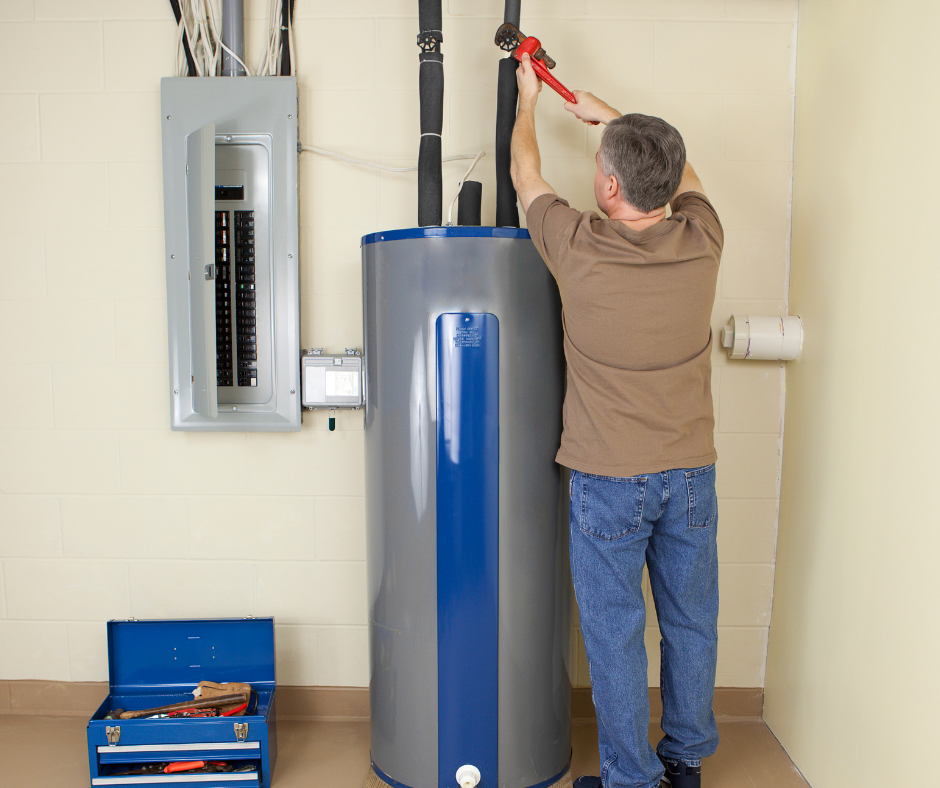
Learn what sounds can signal an issue with a water heater.
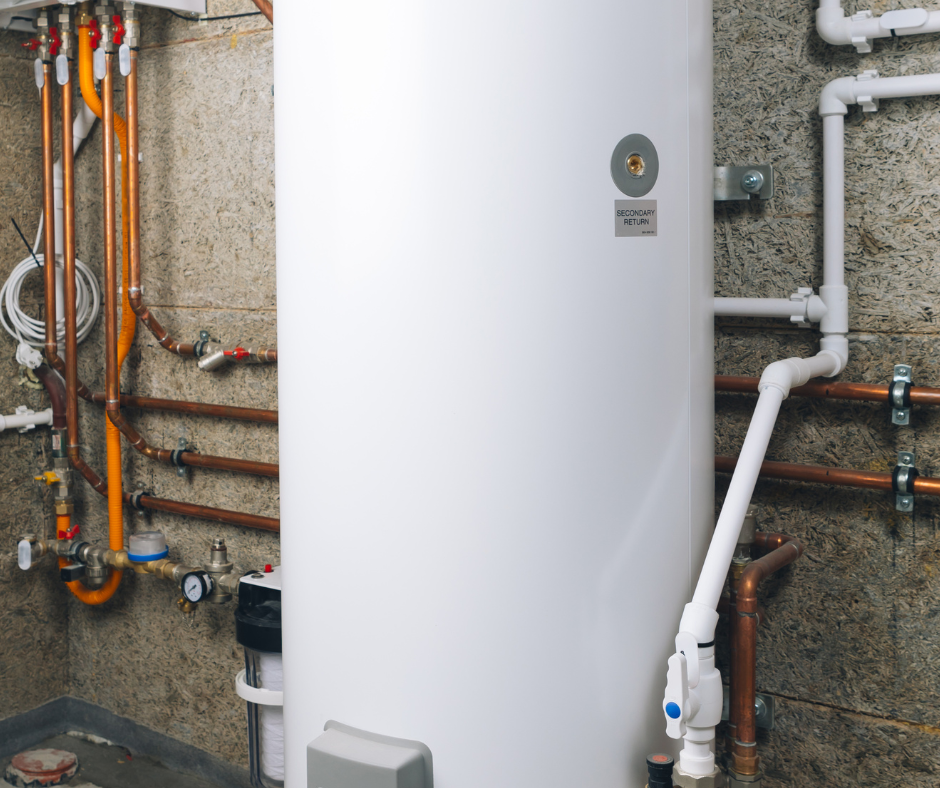
Get the right-sized water heater for your Maple Grove home.

That 1960s American Standard or 1970s Rheem tank in your basement might still work, but can you get parts when something breaks? Learn what's available, what's discontinued, and why repair rarely makes sense.

Worried your water heater might be recalled? The CPSC maintains a searchable database of every water heater recall by brand, model, and serial number—learn how to check yours and what to do if it's recalled.
Not every water heater failure causes flooding, but about 40-50% do—and the damage ranges from minor to catastrophic. Learn the statistics, what factors increase damage risk, and how to protect your home.
Most water heaters fail at 8-12 years, so why do some Bradford White tanks still work perfectly at 20+ years? Discover what makes Bradford White different and whether it's worth the premium price.