
Give us a call: 763-220-3765

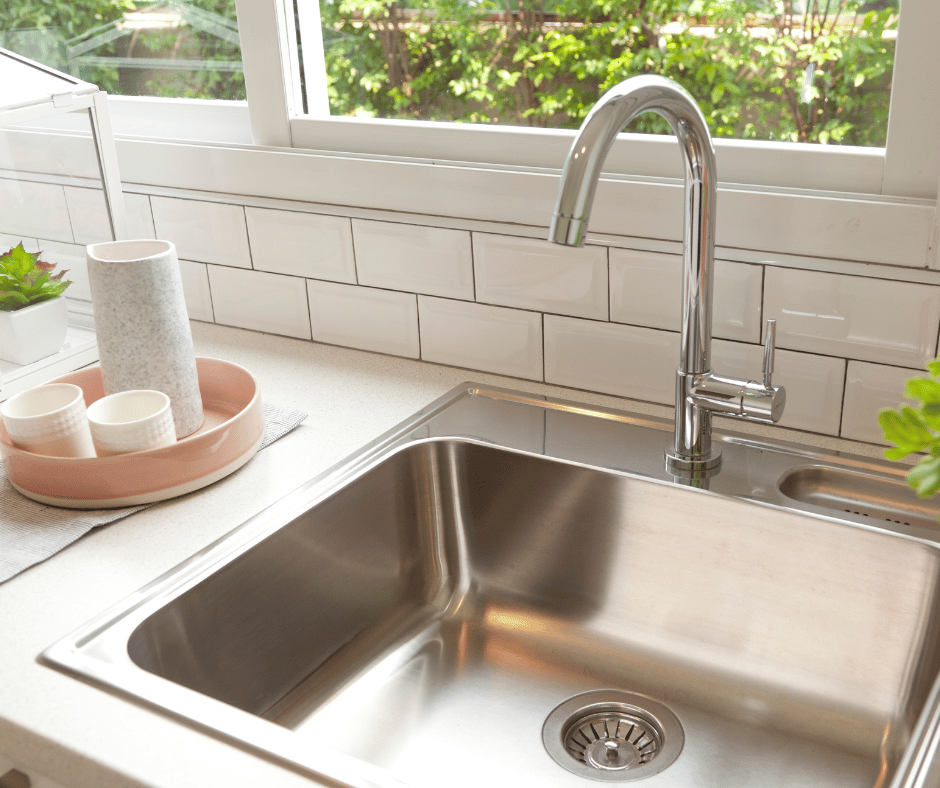
If you're searching "drop-in vs undermount sink Maple Grove" or "which kitchen sink is better Minnesota," you're making a decision that affects both your kitchen's appearance and functionality for years. The choice between drop-in and undermount sinks involves installation requirements, maintenance considerations, cost differences, and aesthetic preferences.
At First Class Plumbing, we install both drop-in and undermount sinks throughout Maple Grove, Plymouth, Minnetonka, and the Northwest Metro. Here's what Twin Cities homeowners need to know about each option.
Drop-in sinks—also called top-mount or self-rimming sinks—sit on top of your countertop with a visible rim that overlaps the counter surface. The sink drops into a cutout in the countertop and is secured with clips underneath.
How drop-in installation works:
We cut a hole in your countertop slightly smaller than the sink's outer rim. Apply a bead of silicone caulk around the cutout edge. Lower the sink into the opening so the rim rests on the countertop surface. Secure with mounting clips from underneath. The sink's weight plus the clips hold it firmly in place.
Total installation time: 1-2 hours for experienced installers.
Advantages of drop-in sinks for Maple Grove homes:
Compatible with all countertop materials: Drop-in sinks work with laminate, tile, solid surface, granite, quartz, marble, butcher block, concrete—any countertop material. This versatility matters for budget-conscious homeowners or those with laminate counters.
Lower installation cost: Drop-in installation is straightforward, requiring less labor and no specialized skills. Installation costs $150-$300 including the sink hookup and cleanup.
DIY-friendly: Handy homeowners can install drop-in sinks themselves. The process is forgiving—minor measurement errors hide under the rim overlap.
Easier to replace: Future sink replacement is simple. Remove old sink, clean the counter, and drop in the new one. No countertop modifications needed unless changing sink size.
Wide selection available: Drop-in sinks dominate the market. You'll find hundreds of options in stainless steel, porcelain, composite, and other materials at every price point from $100 to $1,000+.
Good for laminate countertops: Undermount sinks don't work with laminate. If you have laminate counters in your Maple Grove home and aren't replacing them, drop-in is your only option.
Disadvantages of drop-in sinks:
Visible rim breaks the counter surface: The raised rim is visible and interrupts the clean countertop expanse. Some homeowners dislike the look; others don't mind.
Rim collects debris: Food particles, water, and grime accumulate around the sink rim where it meets the countertop. You must clean this junction regularly.
Can't sweep directly into sink: The raised rim creates a barrier. You must lift debris over the edge rather than sweeping it directly from counter to sink.
Caulk maintenance required: The caulk seal between rim and counter degrades over time. Recaulking every few years prevents water damage to cabinets below.
Less modern aesthetic: Drop-in sinks look more traditional. They work in transitional or traditional kitchens but feel less contemporary than undermount installations.
Undermount sinks attach to the underside of the countertop, creating a seamless transition from counter to sink with no visible rim. The sink edge sits below the counter surface.
How undermount installation works:
Cut a precise hole in the countertop. Polish and seal the exposed counter edge. Apply adhesive and silicone to the sink's mounting flanges. Lift the sink into position from below and secure with brackets or clips to the underside of the counter. The process requires precision—the sink must align perfectly with the cutout.
Total installation time: 2-4 hours including proper curing time for adhesives.
Advantages of undermount sinks for Twin Cities homes:
Clean, modern aesthetic: The seamless countertop-to-sink transition creates a sleek, contemporary look. This is the primary reason homeowners choose undermount sinks.
Easy counter cleanup: Sweep crumbs and water directly from counter into sink. No rim to lift debris over. This daily convenience is significant for busy families.
More counter space: Without a rim taking up surface area, you gain usable counter space—especially valuable in smaller Maple Grove kitchens.
Less grout/caulk maintenance: The undermount seal is hidden beneath the counter. You're not constantly cleaning or replacing visible caulk lines.
Showcase beautiful countertops: Granite, quartz, and marble counters look best with undermount sinks that don't interrupt the stone surface with a rim.
Higher perceived value: Undermount sinks are associated with premium kitchens. If you're selling your home, undermount installation suggests quality.
Disadvantages of undermount sinks:
Requires solid countertop material: Undermount sinks only work with solid materials like granite, quartz, marble, solid surface, or concrete. Laminate edges delaminate with moisture exposure, making undermount installation impossible.
Higher installation cost: Professional installation costs $300-$500 including sink hookup. The precise cuts, edge finishing, and specialized mounting techniques require expertise.
Difficult DIY installation: Undermount installation requires specialized tools, perfect measurements, and understanding of countertop material properties. Most homeowners hire professionals.
Replacement requires countertop work: Replacing an undermount sink means detaching it from the counter, which can damage the countertop if not done carefully. Some stone counters crack during undermount sink removal.
Edge exposure: The countertop edge inside the sink cutout is exposed to water. Stone counters need this edge sealed properly to prevent water damage.
Weight limitations: Very heavy sinks (large cast iron farmhouse sinks) require additional support beyond standard undermount brackets. The countertop must be strong enough to support the weight.
Not compatible with all countertop materials: If you have tile or laminate counters in your Maple Grove home, undermount isn't an option without replacing countertops.
Drop-in sink installation:
Undermount sink installation:
For kitchen remodels where you're installing new countertops anyway, undermount doesn't cost significantly more because counter fabricators include sink cutouts and edge finishing in their work. The cost difference mainly affects retrofit installations in existing kitchens.
Laminate countertops: Drop-in only. Laminate edges can't support undermount sinks because moisture causes delamination.
Tile countertops: Drop-in preferred. Technically undermount is possible but complicated and rarely done. The grout lines and tile edges create problems.
Solid surface (Corian, etc.): Both work. Solid surface accepts either installation method equally well. Choose based on aesthetic preference.
Granite: Undermount is standard and showcases the stone beautifully. Drop-in works but is uncommon and considered less attractive.
Quartz: Same as granite—undermount is standard, drop-in works but is rare.
Marble: Undermount preferred to showcase the stone, though marble's water sensitivity requires excellent sealing at the sink edge.
Butcher block/wood: Drop-in is safer because the rim protects the wood from constant water exposure. Undermount is possible but requires exceptional sealing and maintenance.
Concrete: Both work. Undermount is popular for modern concrete counters, but drop-in installation is simpler.
If you're replacing just the sink (not the countertop), your existing countertop material determines which option is available.
Drop-in sink maintenance:
Weekly: Wipe down the rim and caulk line where sink meets counter. Food particles and moisture accumulate here.
Annually: Inspect caulk for cracks or gaps. Recaulk if needed to prevent water damage.
Every 3-5 years: Remove old caulk completely and recaulk the entire rim. Use kitchen/bath silicone caulk for longevity.
Undermount sink maintenance:
Weekly: Wipe the counter edge at the sink opening. Less debris accumulates than with drop-in rims, but regular cleaning maintains appearance.
Annually: Check the seal between sink and counter from below (under the sink). Look for water stains on the underside of the counter indicating seal failure.
Every 5-10 years: Professional re-sealing if the bond between sink and counter weakens. This is rare with proper initial installation.
Overall, undermount sinks require less frequent maintenance than drop-in sinks in terms of visible cleaning and caulk replacement. However, undermount problems (failed adhesive, loose mounting) are more serious and expensive to fix than drop-in issues.
Drop-in sinks:
The rim creates a small ledge that traps food particles and water. You must consciously clean this junction. Some homeowners find this annoying; others incorporate it into their routine without issue.
The rim also creates a slight barrier when wiping counters. You must lift your sponge over the edge or wipe debris into your hand rather than directly into the sink.
Undermount sinks:
Counter-to-sink cleanup is seamless. Wipe everything directly into the sink without obstacles. For households that cook frequently, this convenience is significant.
The countertop edge inside the sink is exposed. Depending on material (especially porous stone like marble), this edge can stain or develop mildew if not cleaned regularly.
Neither option is dramatically easier to keep clean—both require regular attention. Undermount is slightly more convenient for daily counter wiping but requires occasional attention to the exposed counter edge.
Drop-in sinks fit these styles:
The visible rim isn't inherently unattractive. In traditional or casual kitchen designs, drop-in sinks look completely appropriate. The issue is interrupting modern, sleek aesthetics where continuous surfaces are desired.
Undermount sinks fit these styles:
Undermount sinks create the clean, uninterrupted surfaces that define modern kitchen design. The seamless look is inherently more sophisticated.
For Maple Grove homeowners planning kitchen remodels, consider your overall design vision. If you're going modern with quartz counters and sleek cabinets, undermount reinforces that aesthetic. If you're creating a cozy traditional kitchen with laminate counters, drop-in fits perfectly.
Stainless steel: Works excellently with both drop-in and undermount. Lightweight, durable, and affordable in both configurations. Most popular sink material for Maple Grove kitchens.
Composite (granite/quartz composite): Available in both styles. Heavier than stainless, so undermount installation requires verifying adequate support. Excellent durability and appearance.
Cast iron (enameled): Very heavy. Drop-in cast iron sinks self-support with their weight. Undermount cast iron requires substantial support brackets and countertop thickness to prevent sagging or cracking.
Fireclay: Similar to cast iron—beautiful and durable but very heavy. Farmhouse-style fireclay sinks are typically designed as apron-front installations rather than standard drop-in or undermount.
Copper: Available in both styles but expensive. Beautiful patina development over time. Weight varies by gauge.
Stone: Carved stone sinks (granite, marble, soapstone) are typically undermount to showcase the stone-on-stone aesthetic. Very heavy, requiring extra support.
For most Maple Grove kitchens, stainless steel or composite sinks offer the best combination of performance, durability, and cost regardless of installation method.
Timing with countertop installation:
Drop-in sinks: Install after countertops. We cut the hole, drop the sink, and secure it. Simple sequence.
Undermount sinks: Install during countertop fabrication. The counter shop cuts the opening, polishes the edge, applies adhesive, and mounts the sink—all before installing the countertop. This coordination is critical.
For kitchen remodels in the Northwest Metro, if you're choosing undermount, your sink must be on-site when the countertop fabricator does the template. Delays in sink delivery delay the entire countertop installation.
Plumbing configuration:
Both sink types use standard plumbing connections underneath. Your choice doesn't affect drain or supply line work. However, undermount installations sometimes provide more clearance under the sink for garbage disposals or other fixtures.
Future flexibility:
Drop-in sinks allow easy replacement or upgrading to different sizes (within reason) because the rim hides minor cutout size differences. Undermount sinks lock you into specific dimensions—changing sink size requires new countertop cutouts and edge finishing.
Choose drop-in sinks when:
Choose undermount sinks when:
Can't decide? Consider these questions:
Your answers will point toward the right choice for your specific situation.
Whether you choose drop-in or undermount, professional installation ensures proper performance and longevity. At First Class Plumbing, we install kitchen sinks throughout Maple Grove, Plymouth, Minnetonka, Brooklyn Park, and the entire Northwest Metro.
We'll help you evaluate which option makes sense for your kitchen, recommend specific sink models based on your needs and budget, and complete installation with the attention to detail that prevents future problems.
Call 763-220-3765 today for kitchen sink installation in the Twin Cities. We handle everything from simple drop-in replacements to complex undermount installations coordinated with countertop fabricators.
Contact First Class Plumbing for sink installation that's done right the first time. Your kitchen sink choice affects daily life for years—let us help you make the decision that's right for your home.
Learn why you should call our experts at First Class Plumbing when you need urgent plumbing services.
Use these tips when installing a new faucet or sink in Plymouth.
.png)
Make sure your shower and tub are installed correctly with these tips.
Have aging pipes? Consider these options for pipe repairs and replacements.
Learn how our experts can help with your boiler repairs and replacements.
Learn about the common types of piping used in Plymouth, MN, homes.