
Give us a call: 763-220-3765

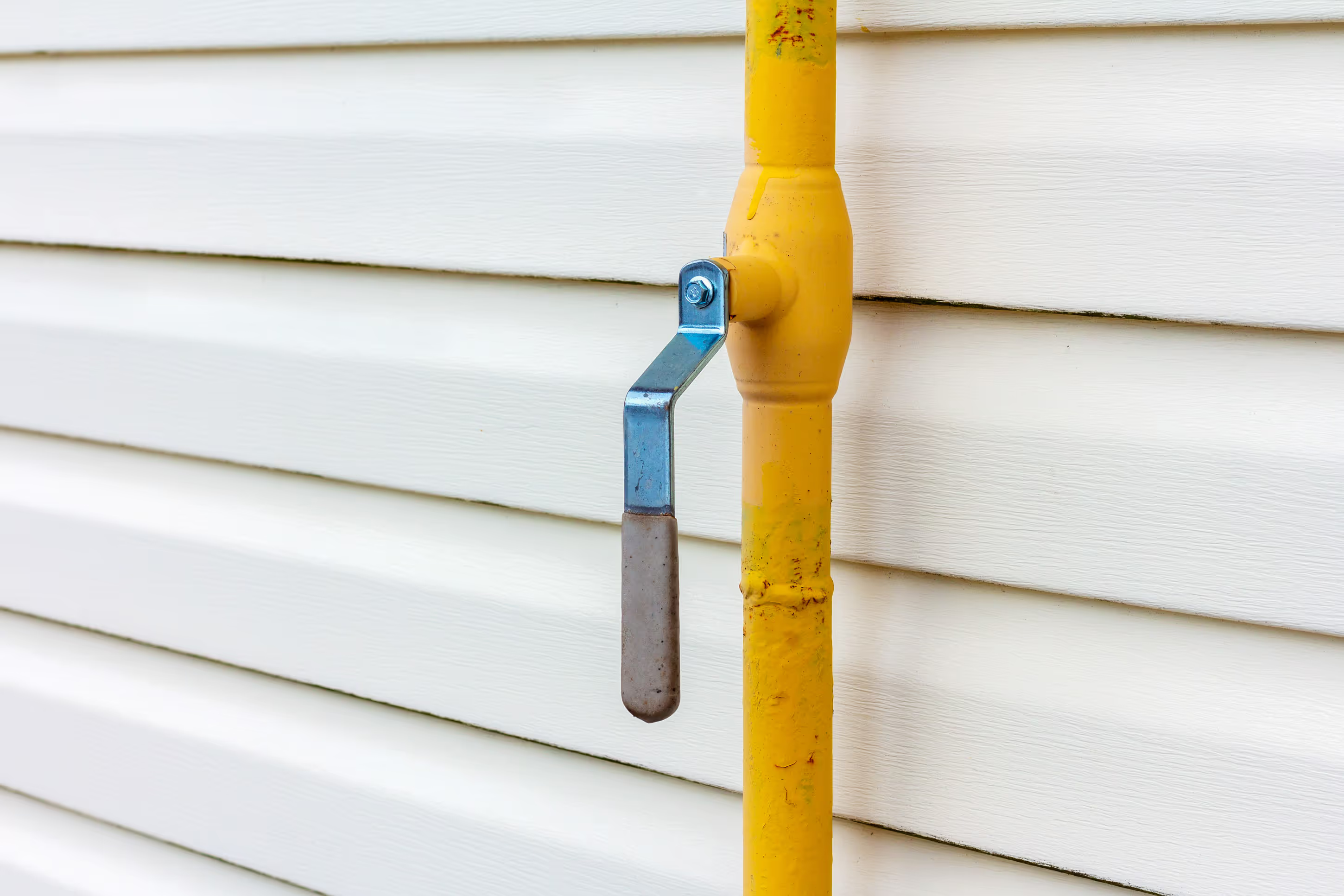
Natural gas powers water heaters, furnaces, stoves, and dryers in countless Maple Grove homes. It's convenient, efficient, and economical—until something goes wrong. Gas leaks and improper gas line installations create serious hazards including fires, explosions, and carbon monoxide poisoning.
At First Class Plumbing, we take gas line work more seriously than any other plumbing service. A water leak damages your property. A gas leak can be lethal. That's why Minnesota strictly regulates who can work on gas lines and what standards must be met. Only licensed professionals should ever touch your home's gas system.
We created this comprehensive guide to help Maple Grove homeowners understand gas line safety, recognize potential problems, and know when to call for professional help. This isn't just about convenience or saving money—this is about protecting your family's lives.
Natural gas flows from the municipal supply line through a meter at your property, then through your home's gas piping to each appliance. The gas line system includes:
Main Gas Line: The pipe from your meter that distributes gas throughout your home
Branch Lines: Pipes running to individual appliances
Shut-Off Valves: Emergency shut-off points for the main line and individual appliances
Connectors: Flexible connections at appliances allowing for installation and service
Regulators: Devices that control gas pressure to safe, appropriate levels
Each component must be properly installed, sized, and maintained to operate safely.
Gas lines must be correctly sized to deliver adequate gas at proper pressure to each appliance. Undersized lines create performance problems—your range might not heat properly, or your water heater might not maintain temperature.
More concerning, improperly sized gas lines can create safety hazards. Too much pressure stresses connections and appliances. Too little pressure causes incomplete combustion, potentially creating carbon monoxide.
When we install or service gas lines at First Class Plumbing, we carefully calculate requirements based on appliance specifications, line length, and code requirements. This isn't guesswork—it's precise engineering based on established safety standards.
Gas appliances produce combustion byproducts that must be safely vented outside your Maple Grove home. Carbon monoxide, the most dangerous byproduct, is colorless, odorless, and deadly.
Proper venting ensures these combustion gases exit your home rather than accumulating indoors. Improperly vented appliances—particularly water heaters and furnaces—can fill your home with carbon monoxide, creating life-threatening conditions.
We regularly encounter improperly vented gas appliances installed by unlicensed individuals or well-meaning homeowners. The danger isn't always immediately apparent, making these situations particularly frightening.
Carbon monoxide (CO) is the silent killer of gas line safety issues. You can't see it, smell it, or taste it. It displaces oxygen in your bloodstream, causing symptoms that range from flu-like illness to unconsciousness and death.
CO poisoning symptoms include:
These symptoms often affect everyone in the household similarly. If multiple family members feel sick with flu-like symptoms simultaneously, particularly in winter when gas appliances run frequently, carbon monoxide should be suspected.
Every home needs working carbon monoxide detectors. Place them near sleeping areas and on every level of your home. Test them monthly and replace batteries annually. These inexpensive devices save lives.
Natural gas is highly flammable. Gas leaks in enclosed spaces can create explosive atmospheres. Even small sparks from light switches, appliances, or static electricity can ignite accumulated gas.
Major gas leaks are terrifying, but smaller chronic leaks also pose serious risks. Over time, even minor leaks can build to dangerous concentrations, particularly in basements or other areas with poor ventilation.
If you smell gas (the distinctive "rotten egg" odor from odorant added to natural gas) or suspect a major gas leak:
Major gas leaks are true emergencies. Don't risk your family's safety by trying to find the source or fix it yourself.
Like water pipes, gas pipes can corrode or be damaged over time. Older homes might have black iron gas pipes that are more susceptible to corrosion, especially in damp environments like basements.
Physical damage from renovations, pest activity, or ground settling can compromise gas lines. Any damage to gas lines creates potential leak points.
Regular inspection of visible gas lines helps identify corrosion or damage before leaks develop.
We cannot stress this enough: gas line work is not a DIY project. We regularly encounter dangerous situations created by unlicensed individuals attempting gas line work:
These mistakes kill people. The money saved by DIY gas line work isn't worth your family's lives.
Problems with gas appliances themselves can create safety hazards:
These symptoms indicate combustion problems that could produce dangerous levels of carbon monoxide or indicate developing gas leaks.
Adding insulation, replacing windows, or making your home more airtight can inadvertently affect gas appliance venting. Gas appliances need adequate air supply for combustion and proper draft for venting.
If you've made energy efficiency improvements to your Maple Grove home, have your gas appliances inspected to ensure they're still venting properly.
Minnesota law requires licensed plumbers to perform gas line work. This isn't bureaucratic red tape—it's life safety regulation. Licensed plumbers have:
Unlicensed gas work violates Minnesota law and creates liability for homeowners. If an unlicensed installation causes injury or property damage, you could be held liable.
Gas installation codes exist because improper work causes deaths. These codes specify:
Licensed plumbers know and follow these codes. Unlicensed workers—even those with good intentions—typically don't understand these critical requirements.
After any gas line work, proper pressure testing ensures the system is leak-free. This testing requires specialized equipment and knowledge. Skipping or improperly performing pressure testing leaves potential leaks undetected.
At First Class Plumbing, we pressure test every gas line installation or repair. We don't leave your home until we've verified the system is completely safe.
When First Class Plumbing performs gas line work, you get:
If you sell your home, buyers and their inspectors will ask about gas line work. Permitted work by licensed professionals protects your home's value and your sale.
When you purchase new gas appliances—ranges, water heaters, dryers, fireplaces—professional installation ensures safe, proper connection.
We handle all aspects:
Many appliance warranties require professional installation. DIY installation might void warranty coverage, creating expensive problems if the appliance fails.
If you have a gas leak or suspect gas line damage, First Class Plumbing provides prompt, professional repair service. We'll:
Gas line repairs are urgent. We prioritize these service calls because we understand the serious safety implications.
Adding gas service to new areas—outdoor kitchens, new appliances, additions—requires extending your gas line system. This involves:
Proper gas line extensions maintain safe pressure throughout your system while providing reliable service to new appliances.
Older Maple Grove homes sometimes need complete gas line replacement due to:
While expensive, gas line replacement eliminates safety concerns and ensures your system supports current and future needs.
Some gas appliances can be converted from natural gas to propane or vice versa. This requires:
Never attempt appliance conversion yourself. Improperly converted appliances create severe carbon monoxide risks.
Natural gas is odorless, so gas companies add mercaptan, a chemical that smells like rotten eggs or sulfur. If you smell this distinctive odor, take it seriously.
Even if the smell is faint or intermittent, call for professional service. Small leaks can become large ones, and even minor gas accumulation poses risks.
If household members experience headaches, nausea, dizziness, or fatigue that improves when leaving the house, carbon monoxide from a gas leak or venting problem might be the cause.
Never ignore these symptoms. Carbon monoxide poisoning can be fatal, and symptoms often mimic other illnesses.
Gas leaks from buried lines can kill vegetation above them. If you notice a patch of dead grass or plants in your yard for no apparent reason, particularly near gas line paths, you might have an underground leak.
Natural gas escaping under pressure creates hissing or whistling sounds. If you hear unusual sounds near gas lines or appliances, investigate professionally.
If you suspect an underground gas leak, mix soapy water and pour it over the suspected area. Bubbles indicate escaping gas.
Never use open flames to check for gas leaks. This dangerous practice can cause fires or explosions.
Schedule annual inspections of your gas appliances and gas line system. First Class Plumbing can identify developing problems before they become dangerous.
During inspections, we check:
CO detectors are your first warning of dangerous carbon monoxide levels. Install them properly:
Test monthly, replace batteries annually, and replace the entire unit every 5-10 years per manufacturer recommendations.
Every family member should know where gas shut-offs are located and how to operate them:
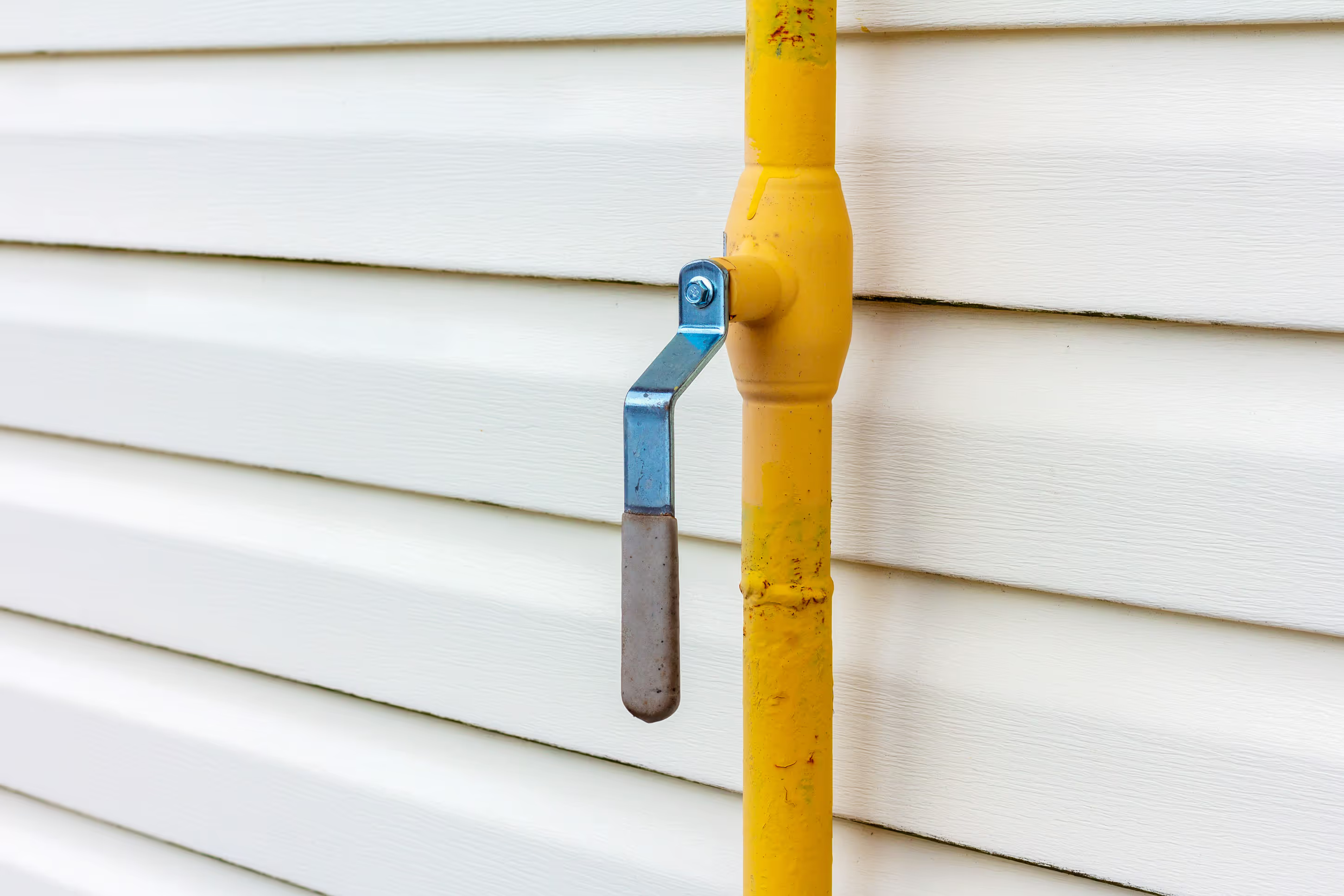
Main Gas Shut-Off: Typically at your gas meter outside. In emergencies, turning this off stops gas flow to your entire home.
Appliance Shut-Offs: Each gas appliance should have its own shut-off valve nearby, allowing you to shut off gas to that appliance specifically.
Periodically operate shut-off valves to ensure they haven't corroded stuck. If you can't turn a shut-off valve, call for professional service before you need it in an emergency.
Resist the temptation to work on gas lines yourself or hire unlicensed help. The money saved isn't worth the risks:
Always use licensed, insured plumbers like First Class Plumbing for any gas line work.
Modern ranges require properly sized gas supply and adequate ventilation. When installing new ranges—particularly large professional-style units—verify that:
Many Maple Grove kitchens have been updated with larger, more powerful ranges. Existing gas lines sized for smaller ranges might not support these high-BTU appliances safely.
Water heaters present unique gas safety concerns:
Professional installation ensures:
Gas dryers need both gas supply and proper venting. Issues we commonly see:
Professional installation prevents these problems and ensures safe operation.
Gas fireplaces and inserts must be properly vented to remove combustion byproducts. Ventless gas fireplaces, while popular, can pose indoor air quality concerns if not properly sized and maintained.
Professional installation ensures:
Call us immediately (or 911 if appropriate) for:
Gas emergencies can't wait. We prioritize these calls because we understand the life safety implications.
Contact us when planning:
Planning gas line work properly prevents complications and ensures safe installations.
Schedule annual inspections to:
Prevention is far better than emergency response.
Gas line work isn't something to trust to just anyone. At First Class Plumbing, our licensed plumbers have the training, experience, and equipment to handle all gas line work safely and correctly.
We take gas line safety seriously because we understand what's at stake—your family's lives. We follow all codes, use proper materials, pressure test every installation, and stand behind our work with our one-year warranty.
Don't risk your family's safety with unlicensed gas line work. Contact First Class Plumbing for professional gas line service in Maple Grove.
Your family's safety is worth the investment in professional service.
Use these tips to prevent water damage in your Scott County home.
Use these tips to avoid burst pipes.
Use these tips to make sure your home is ready to host people all summer.

Why do you need a trained, licensed plumber? We explain why it's essential.
Before you host guests, consider these Prior Lake plumbing tips.
Use these tips when selecting between PEX and copper pipes in Prior Lake, MN.