
Give us a call: 763-220-3765


TLDR: A 15-year-old water heater isn't automatically unsafe but it's definitely high-risk. The tank has significant internal corrosion, the safety systems are aging, and the risk of catastrophic failure increases dramatically after year 12. You should replace it soon even if it appears to work fine. Call First Class Plumbing at 763-220-3765 for professional water heater replacement in Maple Grove.
Let's be transparent about this article. We wrote it to rank for ""is my old water heater safe,"" ""should I replace 15 year old water heater,"" and ""water heater safety."" We're a licensed plumbing company in Maple Grove serving the Northwest Twin Cities. We need homeowners with aging water heaters to find us. But we genuinely want to help you understand the real safety risks of running a water heater that's outlived its expected lifespan by several years.
A 15-year-old water heater that still heats water and doesn't leak might seem fine, but hidden dangers lurk inside. The tank has internal corrosion that weakens the steel. The temperature and pressure relief valve may be seized or corroded. The gas control valve and thermostat are worn. The anode rod was consumed years ago. This Old House warns that water heaters become increasingly dangerous after 12 years even when they appear to function normally. Homeowners throughout Plymouth, Minnetonka, and Brooklyn Park face these risks.
Water heaters can explode if the temperature and pressure relief valve fails and pressure builds too high. On a 15-year-old unit, this valve has been cycling for 15 years and may be corroded in place. If it can't open to release pressure during an overheat situation, the tank becomes a bomb. MythBusters demonstrated that water heater explosions can launch tanks 500 feet through roofs when safety systems fail. These explosions are rare but devastating when they happen. The risk increases significantly on units over 12 years old.
Internal corrosion creates weak spots that can rupture suddenly. A 15-year-old tank might look fine on the outside but be paper-thin on the inside. When it fails, 40-50 gallons can flood your basement in minutes. Bob Vila explains that water damage from water heater failures costs $5,000-15,000 on average. We respond to these emergencies constantly throughout Coon Rapids, Golden Valley, and Blaine. Call 763-220-3765 if you notice any moisture around your water heater.
Modern water heaters are designed to last 8-12 years. A 15-year-old unit has exceeded its expected lifespan by 25-90%. It's living on borrowed time. Every additional month increases failure risk. Angi reports that water heaters over 12 years old fail at twice the rate of units under 10 years old. By year 15, the failure rate is four times higher than year 8.
Manufacturers design water heaters to survive their warranty period plus a few years. A unit with a 6-year warranty is engineered to last 8-10 years typically. By year 15, you're using a product that's outlived its design parameters by 50%. The materials, components, and safety systems were never intended to function this long. Homeowners in Maple Grove and St Louis Park who keep running 15-year-old water heaters are gambling with significant risk every day.
Water chemistry, usage patterns, and maintenance explain why some water heaters outlast others. A vacation home water heater with soft water and minimal use might last 15 years. A primary residence water heater in a large family with hard Twin Cities water typically won't. If your 15-year-old water heater is still running, you got lucky with good water quality, light usage, or excellent manufacturing quality. That luck won't last forever. We perform water heater replacements throughout the Northwest Metro for units that seemed fine until they suddenly weren't.
The temperature and pressure relief valve fails most often on old water heaters. This valve is your safety backup if the thermostat fails and the water overheats. It's supposed to open at 150°F or 150 PSI to release pressure. On a 15-year-old unit, mineral deposits and corrosion often lock this valve closed. Engineering safety experts recommend testing this valve annually, but on old water heaters, testing it can break it open permanently and cause leaking.
Mechanical and electronic thermostats drift out of calibration over time. A 15-year-old thermostat might allow water to overheat without triggering safety shutoffs. Gas control valves develop internal leaks or stick open. These failures can cause dangerously hot water, wasted energy, or gas leaks in gas water heaters. When we inspect heating systems throughout Minneapolis and Brooklyn Park, we regularly find thermostats on old water heaters that no longer function accurately.
Every water heater has a magnesium or aluminum anode rod that sacrifices itself to protect the tank from corrosion. This rod typically lasts 3-5 years. On a 15-year-old water heater, the rod has been completely consumed for a decade. Without this protection, the tank steel corrodes directly. The corrosion creates thin spots and pinholes. Plumbing professionals explain that replacing the anode rod every 3-5 years extends water heater life, but by year 15, it's too late for this maintenance to help.
Gas water heaters produce carbon monoxide as a byproduct of combustion. Properly functioning units vent this CO safely outside. However, 15-year-old burners develop scale buildup, corrosion, and incomplete combustion problems. The heat exchanger can develop cracks. The vent pipe can corrode through. All of these problems can leak carbon monoxide into your home. HVAC safety experts recommend carbon monoxide detectors near all gas appliances, especially aging ones.
Look for yellow or orange flames instead of blue. Blue flames indicate proper combustion. Yellow or orange flames mean incomplete combustion that produces more carbon monoxide. Check for soot buildup around the burner area. Inspect the vent pipe for rust or damage. If you notice any of these problems on your 15-year-old gas water heater in Golden Valley or Coon Rapids, shut it down and call us at 763-220-3765 for emergency service.
Vent pipes for gas water heaters corrode from inside due to combustion gases and moisture. After 15 years, the vent might look fine on the outside but be corroded through on the inside. This allows carbon monoxide and combustion gases to leak into your home instead of venting outside. Water heater service professionals emphasize that vent system inspection is critical on aging gas water heaters. We check vents carefully during service calls throughout Maple Grove and Plymouth.
Yes, we offer professional water heater inspections. We'll check the temperature and pressure relief valve, test the thermostat calibration, inspect the burner or heating elements, examine the tank for corrosion, check the vent system on gas units, test for carbon monoxide leaks, and assess overall safety. However, even if your 15-year-old water heater passes all these tests, the internal tank condition can't be fully evaluated without destructive testing. Industry safety analysis shows that inspections provide valuable information but can't guarantee an old water heater won't fail soon.
An inspection reveals immediate safety problems and estimates remaining lifespan. If we find rust-colored water, corroded components, or malfunctioning safety systems, replacement is urgent. If everything checks out, you might have another 6-12 months of safe operation. But inspections can't predict when internal corrosion will cause a sudden leak. Homeowners throughout Minnetonka, Blaine, and St Louis Park use our inspections to make informed replacement decisions rather than waiting for emergencies.
We can't see inside the tank without cutting it open. We can't predict when a weak spot will rupture. We can't guarantee safety for any 15-year-old water heater because the tank has unknown internal corrosion. The most honest assessment is that it needs replacement soon regardless of how good it looks during inspection. We provide this honest feedback even though it means potential service business instead of replacement business. Our reputation in the Northwest Metro depends on truthfulness.
You might save $1,500-2,500 in replacement costs by keeping your 15-year-old water heater running for another year. But you risk $5,000-15,000 in water damage if it fails catastrophically. The math doesn't favor waiting. Additionally, a 15-year-old water heater uses 10-20% more energy than a new efficient unit due to sediment buildup and degraded insulation. Consumer Reports calculates that the energy waste from running an old water heater can equal $100-200 per year.
Some insurance companies exclude water damage from water heaters over 12-15 years old. Others increase premiums or require inspections. If your insurance doesn't cover damage from an old water heater failure, you're personally liable for the full cost. Check your policy. Many homeowners in Wayzata and Edina discover this limitation only after a flood. Don't let that happen to you.
A new water heater comes with warranty, reliable operation, and no flood anxiety. You won't worry every time you hear a strange noise from the basement. You won't wonder if today is the day it fails. This peace of mind has value. We see relieved customers throughout Maple Grove and Brooklyn Park after they replace their aging water heaters and eliminate that constant worry.
Yes. Replace it now proactively instead of waiting for emergency failure. You'll save money by avoiding water damage, choosing replacement timing that's convenient, shopping for the best deal, and selecting the exact unit you want. Emergency replacements cost more, happen at the worst times, offer fewer choices, and often include expensive water damage repairs. HVAC service experts recommend proactive replacement for any water heater over 12 years old.
We can schedule your replacement during normal business hours when you're home and prepared. We'll install your new Bradford White unit carefully, haul away the old unit, dispose of it properly, test everything thoroughly, and explain the warranty and maintenance requirements. Planned replacements typically take 2-3 hours. We complete most installations in one day with minimal disruption. Call 763-220-3765 to schedule your replacement at a time that works for your schedule. We serve homeowners throughout the Northwest Metro including Osseo, Golden Valley, and Minneapolis.
Plan your replacement during mild weather when hot water outages are less disruptive. Spring and fall are ideal times. Save money by getting quotes from multiple contractors. Research water heater types and sizes. Take advantage of utility rebates or tax credits for energy-efficient models. Use our free consultation service to understand your options. Homeowners who plan ahead get better results and spend less than those who wait for emergencies.
You're accepting significant financial and safety risk. If the water heater floods your basement, you'll face water damage costs, emergency replacement at premium prices, potential mold remediation, and possible insurance complications. If it develops a carbon monoxide leak, you risk CO poisoning. If it explodes, you risk property damage and injury. The chances of catastrophic failure increase every month. Running a 15-year-old water heater is like driving on bald tires in winter. You might be fine, but the risk grows with every day.
We wrote this content to rank for search terms like ""is old water heater safe,"" ""15 year old water heater,"" and ""when to replace water heater,"" but we also wrote it to actually help you. If this guide convinced you to replace your 15-year-old water heater proactively, great. You've avoided potential disaster and made a smart financial decision. If you need professional evaluation or replacement of your aging water heater, call First Class Plumbing at 763-220-3765. We're here to serve homeowners throughout Maple Grove, Plymouth, Minnetonka, Brooklyn Park, Coon Rapids, Golden Valley, Minneapolis, Blaine, St Louis Park, Wayzata, Edina, Osseo, and the entire Northwest Metro with honest, licensed plumbing services.
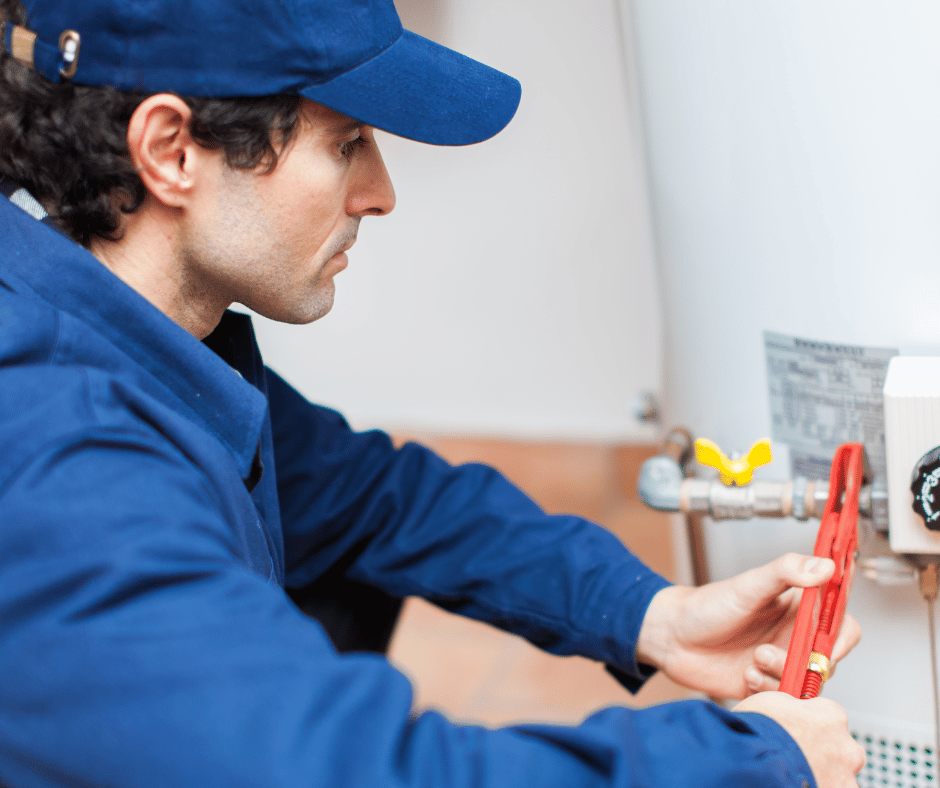
Do you need extra water heater storage? Consider these factors.
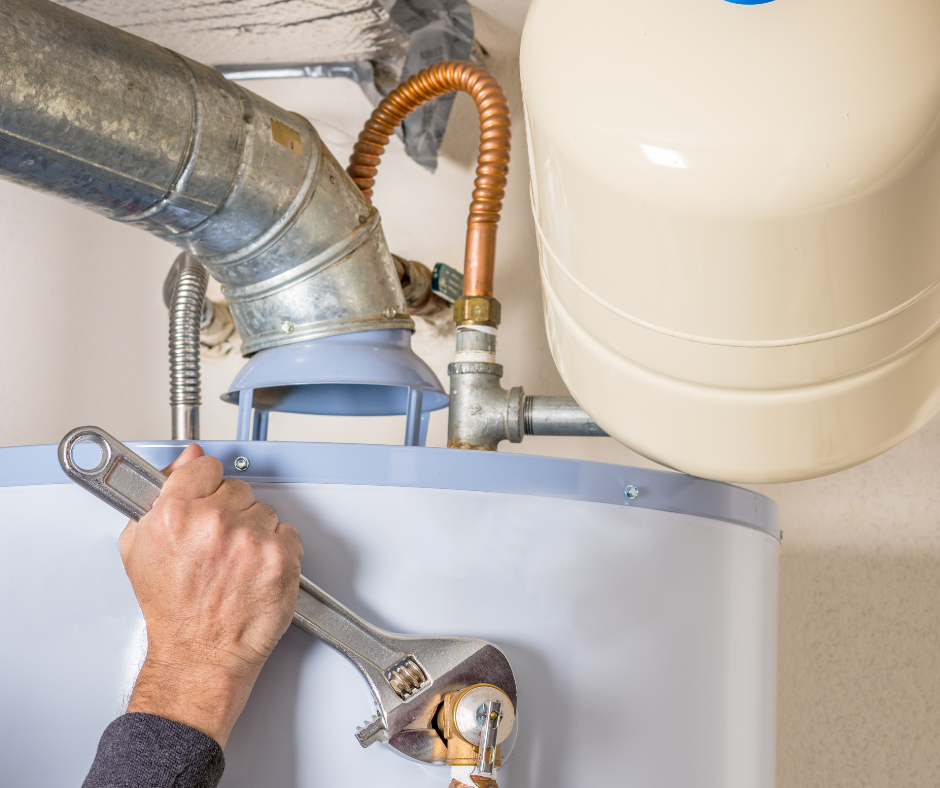
What are the best, most reliable water heater brands? Use these tips from our pros.
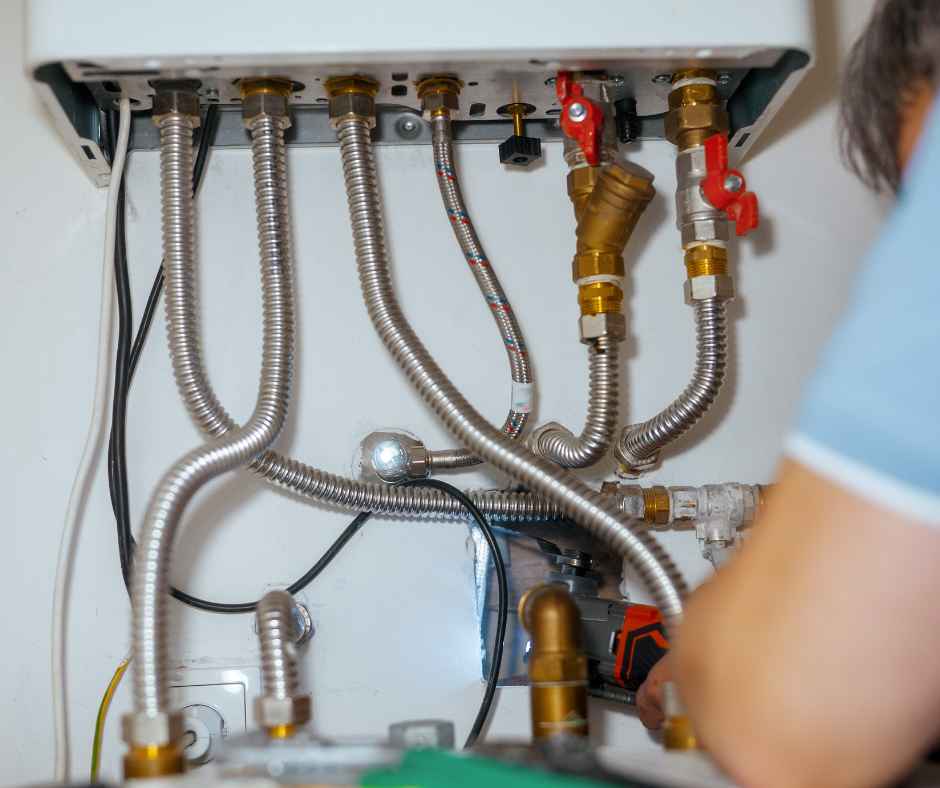
Is it more cost-effective to repair or replace an aging water heater? Our experts weigh in.
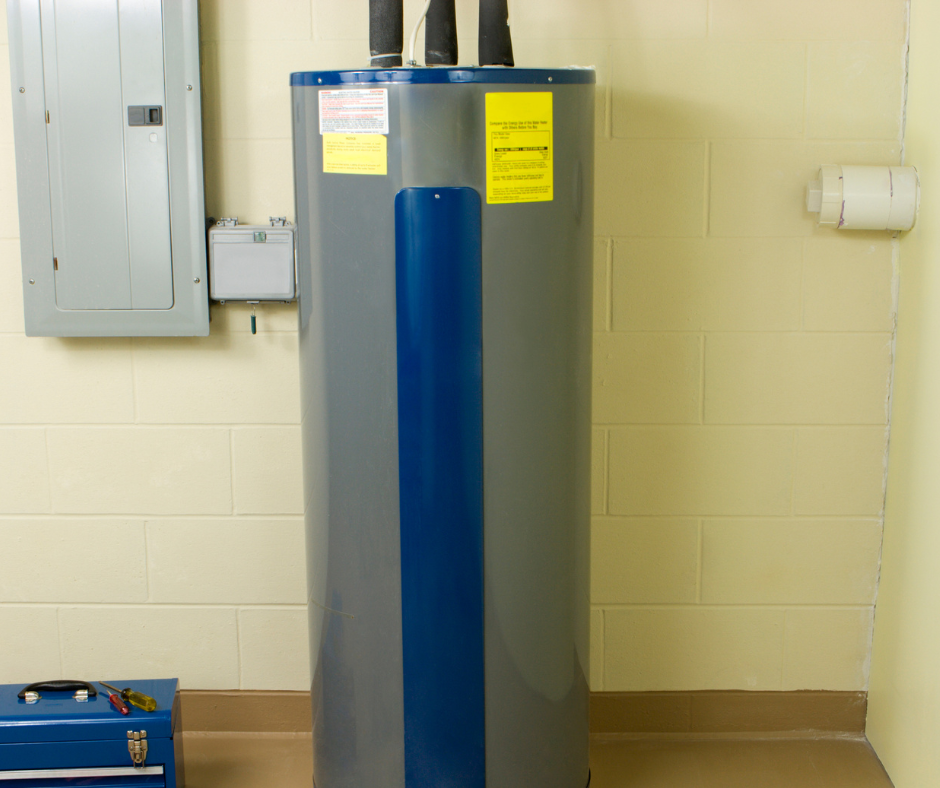
Get estimates on how much a new water heater can cost in the Twin Cities.
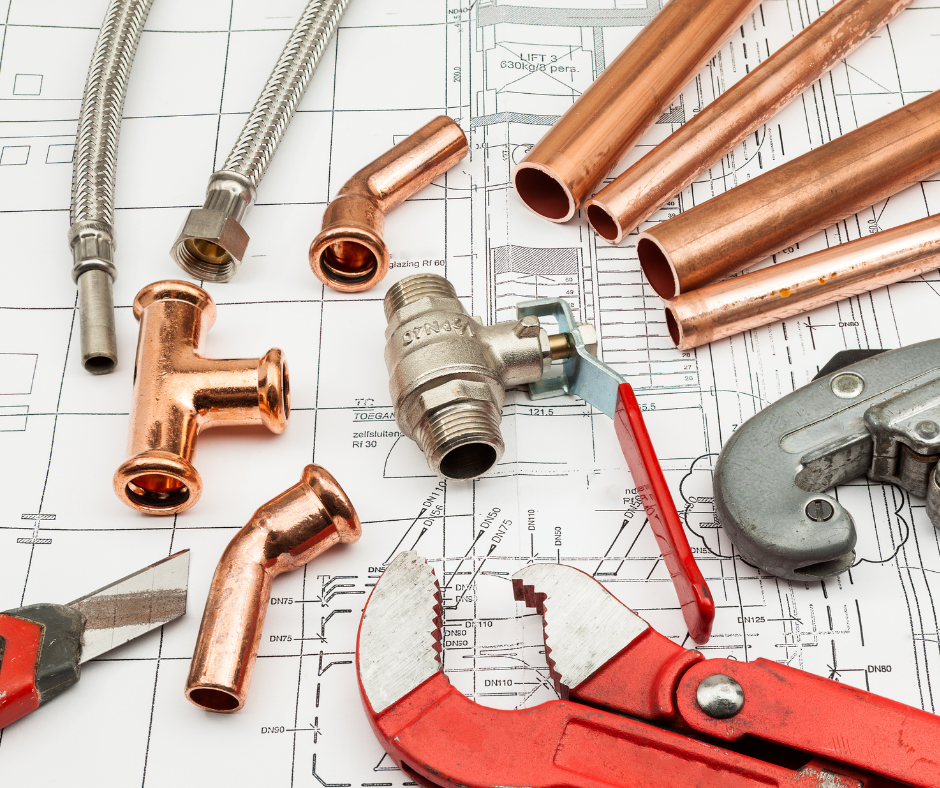
Learn the key differences between power vent water heaters and atmospheric vent water heaters.
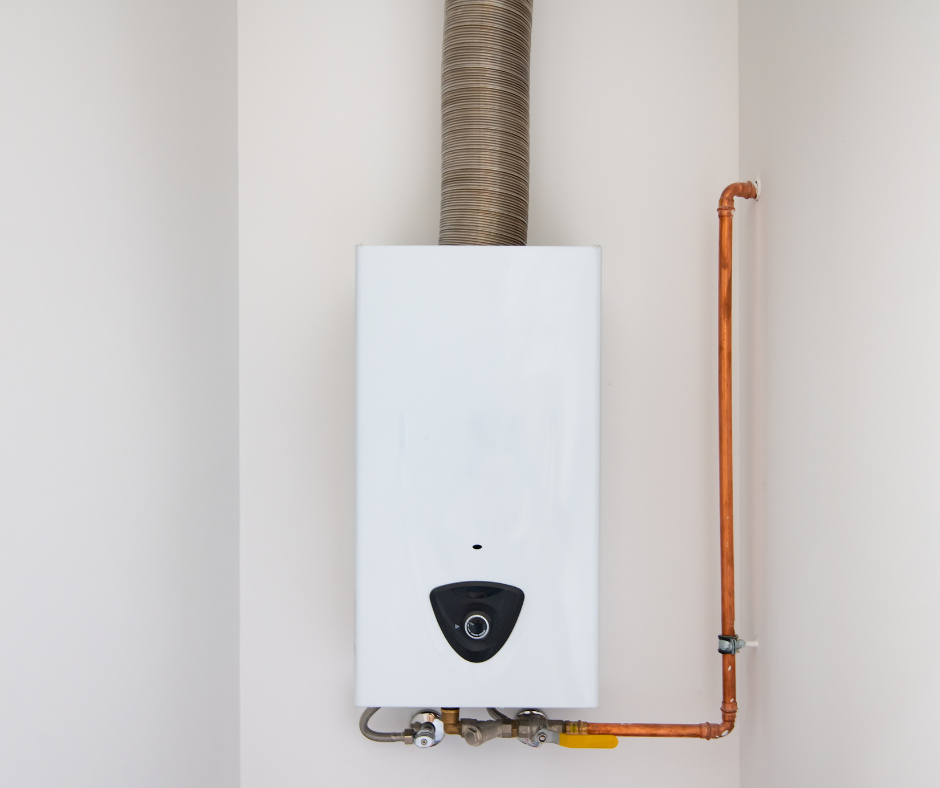
Is your Twin Cities home ideal for a tankless water heater? Consider these factors.