
Give us a call: 763-220-3765

When you're shopping for a new gas water heater in Maple Grove or researching "water heater types Minnesota," you'll encounter two main venting options: atmospheric vent and power vent. For most Twin Cities homeowners, the difference between these systems is confusing—and the wrong choice can cause serious problems or even make installation impossible in your home.
At First Class Plumbing, we install both atmospheric and power vent water heaters throughout Maple Grove, Plymouth, Minnetonka, and the Northwest Metro. Here's what you need to know about each type and which one makes sense for your Minnesota home.
Atmospheric vent water heaters—also called naturally vented or standard vent systems—are the traditional design most Maple Grove homeowners recognize. These units use the natural rising of hot gases to vent combustion exhaust up through a metal flue pipe and out through your chimney or roof vent.
When the gas burner at the bottom of the tank fires, it heats the water. The combustion process creates exhaust gases that are naturally hot and want to rise. A flue pipe (usually metal) channels those gases upward through the center of the water heater tank, then connects to your home's chimney system or a dedicated vent pipe that goes through your roof.
This happens entirely through natural convection—no fans, no electricity (beyond the gas valve controls), and no complicated mechanics. It's simple, proven technology that's been used in Minnesota homes for decades.
The key requirement: atmospheric vent water heaters need a vertical run to a roof or chimney. They work with gravity and heat, so the exhaust path must go up. If your Maple Grove home has an existing chimney or vertical vent pipe, atmospheric venting usually works perfectly.
Power vent water heaters use an electric fan to push or pull combustion exhaust out of your home. Instead of relying on natural convection, the fan actively moves exhaust gases through a PVC or metal pipe that typically runs horizontally through an exterior wall.
The fan (also called a blower) mounts either on top of the water heater or connects to the side. When the burner fires, the fan runs, forcing exhaust out through the vent pipe. This allows for much more flexible venting configurations.
Power vent systems can push exhaust horizontally, which means we can install the water heater in a basement utility room and vent directly through the foundation wall—no chimney required. This solves venting problems in many Maple Grove homes.
The trade-offs: power vent water heaters cost more (typically $400-$800 more than comparable atmospheric vent models), they require electrical power to operate (if your power goes out, you have no hot water), and the fan creates a small amount of noise when running.
Several situations in Twin Cities homes require power vent water heaters rather than atmospheric vent:
Your home doesn't have a chimney or existing vent pipe for the water heater to use. Many newer homes in Maple Grove were built with high-efficiency furnaces that vent through PVC pipes, not chimneys. If your old water heater was the only appliance using the chimney and you want to switch to a modern high-efficiency furnace, you'll need power vent for the water heater.
Your water heater is in a location where we can't run a vertical vent to the roof. Maybe your utility room is in the middle of your basement with living space above it. Running a vent pipe up through bedrooms and closets isn't practical. A power vent water heater lets us vent horizontally through the nearest exterior wall.
Your existing chimney is damaged or deteriorating and you don't want to invest in chimney repairs. If the home inspector flagged your chimney as a problem or the masonry is crumbling, power vent eliminates the need for expensive chimney work.
You're dealing with backdrafting problems from your existing atmospheric vent water heater. Backdrafting happens when exhaust gases spill into your home instead of venting properly. Power vent systems eliminate this concern because the fan forcefully pushes exhaust outside.
Minnesota follows the International Residential Code (IRC) for plumbing installations, which includes specific requirements for water heater venting. Whether you're in Maple Grove, Plymouth, or anywhere in the Twin Cities, these codes apply.
For atmospheric vent water heaters, the vent pipe must be sized correctly for the BTU rating of your unit (we handle this during installation), maintain proper slope (¼ inch rise per foot of horizontal run), and connect to an approved chimney or vent system. The vent pipe must be made of approved materials—typically Type B double-wall vent pipe for gas water heaters.
Power vent systems have different code requirements. The horizontal vent pipe must maintain proper support, can't have too many elbows (which restrict air flow), and must terminate in an approved location on your home's exterior—not near windows, doors, air intake vents, or gas meters.
We obtain the proper permits for water heater installations in Maple Grove and ensure every installation meets Minnesota code. The inspector checks our work, and you get peace of mind knowing it's done right.
Where your water heater is located in your Maple Grove home significantly affects whether atmospheric or power vent makes sense.
Basement installations: Most Twin Cities homes have water heaters in the basement. If your home has a traditional masonry chimney that runs through the basement, atmospheric vent works beautifully. The vent connector runs from your water heater to the chimney, exhaust goes up naturally, and you're done.
But many Maple Grove basements don't have convenient access to a chimney. Maybe your basement is finished and running new vent pipes through living spaces isn't appealing. Or perhaps your home never had a chimney. Power vent lets us put the water heater wherever makes sense and vent through the nearest exterior wall.
Main floor utility rooms: Some Northwest Metro homes have water heaters on the main floor in utility closets or mechanical rooms. Atmospheric vent from these locations requires running the vent pipe all the way through the ceiling and out the roof—often through living space. Power vent lets us vent directly out an exterior wall from the utility room, which is far simpler.
Garage installations: Water heaters in garages can use either venting type, but power vent offers more flexibility in placement. We can position the unit where it works best for your garage layout and vent through the wall.
If your Maple Grove home was built before 1990, there's a common problem we encounter with atmospheric vent water heaters and chimneys.
Older chimneys were often designed to handle exhaust from both the furnace and the water heater. When homeowners upgrade to modern high-efficiency furnaces (which vent through PVC pipes instead of chimneys), the water heater becomes the only appliance using that large chimney.
This creates a problem called "oversizing." The water heater's exhaust isn't enough to keep the entire chimney warm. Cool exhaust in a large, cold chimney can condense before it exits. This condensation damages the chimney interior, creates creosote buildup, and can lead to backdrafting.
The solution is either installing a chimney liner sized correctly for just the water heater (expensive), or switching to a power vent water heater that doesn't use the chimney at all (usually less expensive).
We encounter this situation regularly in older homes throughout the Twin Cities. Power vent systems solve the problem elegantly without the cost of chimney work.
Let's talk actual numbers for Maple Grove homeowners planning water heater replacement.
A quality atmospheric vent gas water heater (like a Bradford White 50-gallon model) costs roughly $1,200-$1,600 for the unit itself. Add installation labor, permits, disposal of the old unit, and any necessary vent pipe work, and you're looking at $1,800-$2,500 total for most straightforward installations.
The same capacity power vent water heater from Bradford White runs $1,600-$2,200 for the unit—about $400-$600 more. Installation labor is similar, but remember you need a dedicated 120-volt electrical circuit for the power vent fan. If one isn't already available at your water heater location, add $200-$400 for electrical work.
Total installation cost for power vent typically runs $2,400-$3,200, depending on venting complexity and electrical requirements.
That price difference bothers some homeowners. But when the alternative is $3,000+ in chimney repairs or the inability to install a water heater in your preferred location, power vent suddenly looks very cost-effective.
Both atmospheric and power vent water heaters are available in standard efficiency and high-efficiency models. The venting type doesn't determine efficiency—the design and insulation of the tank does.
A standard atmospheric vent gas water heater typically achieves around 60-65% energy efficiency. A high-efficiency atmospheric vent model can reach 80-82% efficiency.
Power vent models offer similar ranges. Standard power vent units run 60-65% efficient, while high-efficiency power vent models reach 80-82% or even higher.
The real efficiency advantage comes from condensing models (which are almost always power vent or direct vent due to their unique exhaust characteristics). These can achieve 90-96% efficiency, but they cost significantly more and aren't necessary for most Maple Grove homes.
For typical residential applications in the Twin Cities, both venting types perform similarly from an efficiency standpoint. Choose based on your home's venting requirements, not minor efficiency differences.
This is a legitimate concern for Northwest Metro homeowners considering power vent water heaters: what happens during a power outage?
With an atmospheric vent gas water heater, you still have hot water during power outages. The gas valve uses a thermocouple or thermopile that generates its own electricity from the pilot flame, so the system operates independently of your home's electrical power.
Power vent water heaters won't operate during a power outage. The fan requires electricity, and the system won't allow the burner to fire without the fan running (a safety feature to prevent exhaust spillage into your home).
For most Maple Grove families, this isn't a major issue. Power outages are typically brief. Your water heater holds 50 gallons of already-heated water, which stays hot for many hours even without power. But if you live in a rural area around the Northwest Metro where extended power outages are more common, the atmospheric vent system's independence from electricity might be valuable.
You can add a battery backup or generator connection for power vent systems if uninterrupted hot water during outages is critical for your household.
Atmospheric vent water heaters are essentially silent during operation. You might hear the gas burner ignite with a soft "whoosh" and hear water heating and expanding, but there's no mechanical noise from the venting system.
Power vent water heaters create fan noise when the burner is running. The fan isn't extremely loud—think about the sound level of a bathroom exhaust fan. For most utility room or basement installations, the noise isn't noticeable in your living spaces.
However, if your water heater is in a utility closet adjacent to bedrooms or living areas, you'll hear the power vent fan cycling on and off. Some Twin Cities homeowners find this annoying, especially at night when someone takes a shower and the fan runs.
Higher-quality power vent models use quieter fans and better sound insulation. When we install power vent systems in Maple Grove homes with noise-sensitive locations, we recommend premium models designed for quieter operation.
Atmospheric vent systems require minimal maintenance beyond the standard water heater maintenance we recommend for all Minnesota homes. The vent pipe should be inspected occasionally to ensure it's properly sealed and not corroded, but there are no moving parts to fail.
Power vent systems have the fan motor as an additional component that can wear out over time. Fans typically last 10-15 years, which is about the same lifespan as the water heater itself. But if the fan fails at year 8 and you need to replace it, that's a $300-$500 repair.
The electrical components in power vent systems also add complexity. Control boards can fail, requiring replacement. These aren't common failures, but they're potential issues that don't exist with atmospheric vent systems.
On the flip side, power vent systems don't rely on chimneys, which eliminates concerns about chimney deterioration, creosote buildup, and chimney maintenance that can cost hundreds or thousands of dollars over time.
We should mention direct vent water heaters, which are a third venting category altogether. These units draw combustion air from outside through one pipe and exhaust through a second pipe, both running through an exterior wall.
Direct vent water heaters are sealed combustion systems—they don't use any air from your home for combustion. This makes them very efficient and eliminates any backdrafting concerns.
They work well in ultra-tight, energy-efficient homes in Maple Grove where indoor air quality is a priority. They're also excellent for installations in very small utility closets where pulling combustion air from the room could create oxygen depletion concerns.
The downsides: direct vent units cost more than both atmospheric and power vent models, and they require specific installation conditions (close proximity to an exterior wall for the dual venting pipes).
For most Twin Cities residential applications, atmospheric or power vent makes more sense, but direct vent is worth considering for specific situations.
When we're replacing water heaters in the Northwest Metro, here's how we help homeowners choose between atmospheric and power vent:
If your home has a working chimney or existing vertical vent pipe that's in good condition and properly sized, atmospheric vent is usually the simpler, less expensive option. Why pay more for power vent if you don't need it?
If your home doesn't have suitable vertical venting, if your chimney needs expensive repairs, or if we need to vent horizontally through a wall, power vent is the clear choice. The extra $400-$600 for the power vent unit is far less than building a new chimney or running vent pipes through finished living spaces.
We'll assess your specific home during our consultation and recommend the venting type that makes the most sense for your situation and budget. We install both types regularly and don't favor one over the other—we care about getting you the right solution.
Water heater venting isn't something to guess at or treat casually. Improper venting can result in carbon monoxide entering your home, exhaust damage to your property, failed inspections, and water heaters that don't work correctly.
At First Class Plumbing, our licensed plumbers understand Minnesota building codes, proper vent sizing, and the specific requirements for both atmospheric and power vent systems. We obtain permits, ensure proper combustion air supply, and install venting that passes inspection the first time.
Every water heater installation we complete in Maple Grove includes our one-year parts and labor warranty. If anything goes wrong with your installation, we make it right at no additional charge.
Choosing between atmospheric and power vent water heaters depends on your specific home's layout, existing venting options, and installation location. There's no universal right answer—it's about finding the solution that works for your Maple Grove property.
Call 763-220-3765 to schedule your consultation with First Class Plumbing. We serve homeowners throughout Maple Grove, Plymouth, Minnetonka, Brooklyn Park, and the entire Twin Cities area with honest recommendations and expert installation.
Contact First Class Plumbing today for water heater service you can trust. Whether you need atmospheric vent, power vent, or aren't sure yet, we'll help you make the right choice for your home.
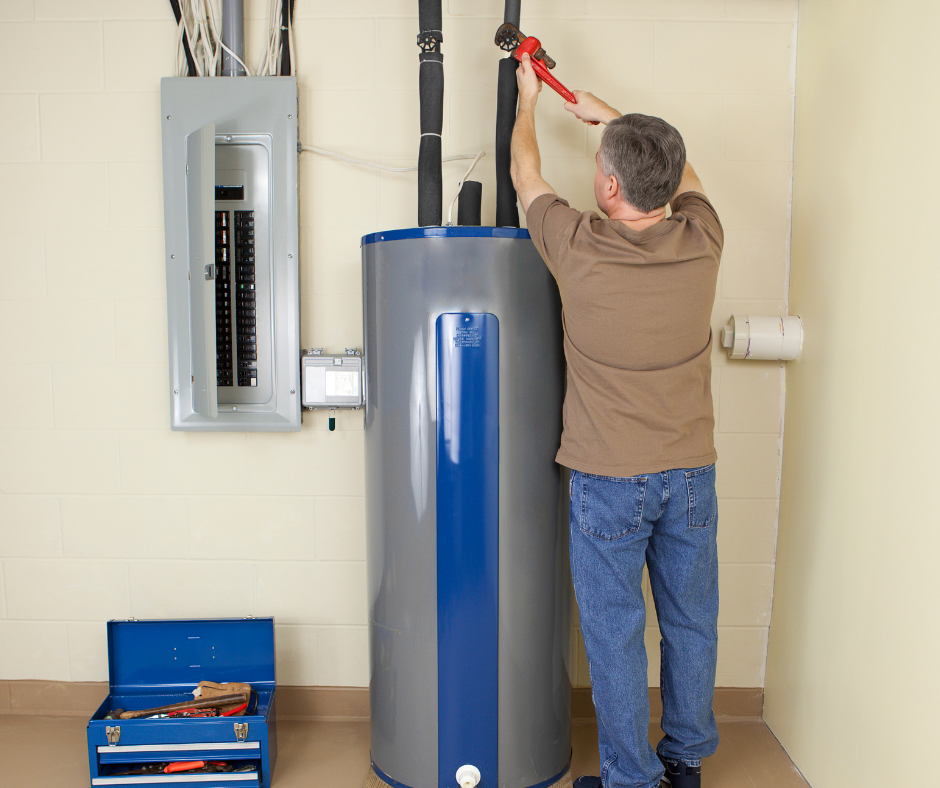
Learn what sounds can signal an issue with a water heater.
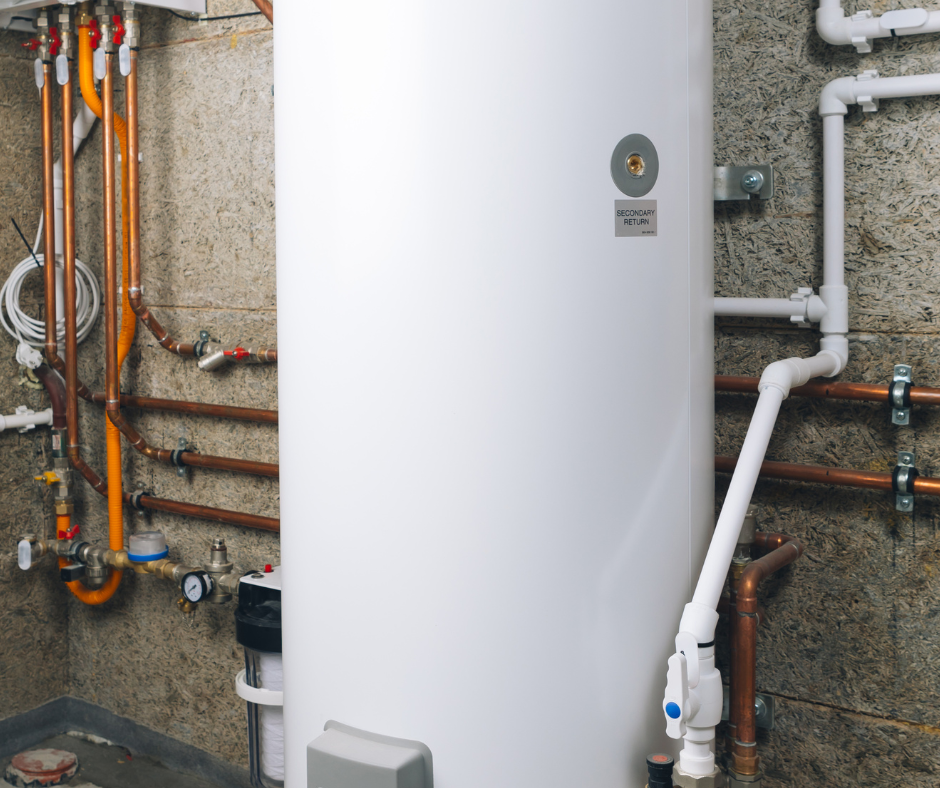
Get the right-sized water heater for your Maple Grove home.

That 1960s American Standard or 1970s Rheem tank in your basement might still work, but can you get parts when something breaks? Learn what's available, what's discontinued, and why repair rarely makes sense.

Worried your water heater might be recalled? The CPSC maintains a searchable database of every water heater recall by brand, model, and serial number—learn how to check yours and what to do if it's recalled.

Not every water heater failure causes flooding, but about 40-50% do—and the damage ranges from minor to catastrophic. Learn the statistics, what factors increase damage risk, and how to protect your home.

Most water heaters fail at 8-12 years, so why do some Bradford White tanks still work perfectly at 20+ years? Discover what makes Bradford White different and whether it's worth the premium price.