
Give us a call: 763-220-3765


Winter in Prior Lake, Minnesota is beautiful—snow-covered landscapes around Upper Prior Lake and Lower Prior Lake, ice fishing on Spring Lake, and that peaceful quiet that settles over the community when temperatures drop. But for Prior Lake homeowners, Minnesota's brutal winter weather presents a serious threat to home plumbing systems: frozen pipes.
At First Class Plumbing, we serve homeowners throughout Prior Lake, Savage, Shakopee, and Scott County, and every winter we respond to emergency calls from homeowners dealing with burst frozen pipes. The damage can be catastrophic—thousands of dollars in water damage, displaced families while repairs are completed, and the stress of dealing with insurance claims and contractors. The good news is that frozen pipe damage is largely preventable when Prior Lake homeowners take proper precautions before temperatures plunge.
Understanding Why Pipes Freeze in Prior Lake Homes
Prior Lake experiences Minnesota's full range of winter extremes. While average January temperatures hover around 15-20 degrees Fahrenheit, the Twin Cities south metro area regularly sees stretches where temperatures drop below zero—sometimes well below zero. During polar vortex events, which hit Prior Lake every few winters, temperatures can plunge to -20 or -30 degrees Fahrenheit with wind chills making conditions even more dangerous.
When temperatures drop this low, any water pipes in unheated spaces are at risk. The water inside pipes freezes, and as water freezes, it expands. This expansion creates tremendous pressure inside pipes—enough pressure to split copper pipes, crack PEX tubing, and rupture connections. Sometimes the pipe splits right where ice has formed, but often the pressure causes failures at joints, fittings, or weak points elsewhere in the system.
The real damage begins when temperatures rise and ice melts. Suddenly, water is flowing through split pipes, flooding your Prior Lake home's basement, crawl space, walls, or ceilings. Many Prior Lake homeowners don't discover frozen pipe damage until after the thaw begins, when water starts pouring into their homes.
High-Risk Areas in Prior Lake Homes
Not all pipes in your Prior Lake home are equally vulnerable to freezing. Understanding which areas present the highest risk helps you focus prevention efforts where they matter most.
Exterior Walls: Pipes running through exterior walls are particularly vulnerable in Prior Lake homes, especially on north-facing walls that receive little to no sunlight during winter. Many Prior Lake homes—particularly those built in the 1970s and 1980s—have bathroom or kitchen plumbing located on exterior walls. When temperatures drop below zero and stay there for days, inadequate insulation in these walls allows cold to reach pipes.
Crawl Spaces: Homes with crawl spaces face serious freezing risk for pipes running through these areas. Unlike basements, crawl spaces often have minimal insulation and little to no heat. During extreme cold, temperatures in Prior Lake home crawl spaces can drop below freezing, putting all pipes in these spaces at risk. This includes water supply lines, drain lines, and any plumbing serving fixtures above the crawl space.
Unheated Garages: Attached garages in Prior Lake homes often have water lines running through them—either supply lines to the garage itself or pipes passing through the garage to reach other parts of the home. If your garage isn't heated and temperatures drop below freezing, these pipes are extremely vulnerable. This is particularly common for pipes serving outdoor faucets that happen to pass through garage spaces.
Attics and Upper Floors: While we think of cold affecting lower levels, attic spaces and upper floors in Prior Lake homes can also experience freezing problems. If bathroom or plumbing fixtures are located in upper-floor exterior walls, or if pipes run through unheated attic spaces, they're at risk during severe cold.
Outdoor Faucets and Spigots: These are the number one frozen pipe problem we see in Prior Lake homes. Outdoor faucets (also called hose bibs or spigots) extend through exterior walls, putting them directly in contact with frigid outdoor air. If homeowners forget to winterize these faucets properly or if hoses are left connected, freezing is almost inevitable during Prior Lake's coldest stretches.
Lakefront Property Considerations: Prior Lake homes located directly on Upper Prior Lake, Lower Prior Lake, or Spring Lake may face additional challenges. Properties near water often experience colder temperatures due to wind exposure and the cooling effect of large bodies of water. Lakefront homes may also have plumbing in exposed or minimally insulated areas to maximize lake views, creating additional freeze risk.
Preventing Frozen Pipes: What Prior Lake Homeowners Must Do
Prevention is far less expensive and stressful than dealing with frozen pipe damage. Prior Lake homeowners should implement these protective measures before temperatures drop.
Insulate Vulnerable Pipes: Any pipes in unheated spaces in your Prior Lake home should be wrapped with pipe insulation. This foam insulation is inexpensive and available at any hardware store. Focus on pipes in crawl spaces, along exterior walls, in unheated garages, and anywhere else pipes are exposed to cold. The insulation won't prevent freezing indefinitely in extreme cold, but it significantly reduces risk and buys time when temperatures drop.
For Prior Lake homes with particularly vulnerable plumbing, consider upgrading to heat tape or heat cable—electrically heated wrapping that keeps pipes above freezing even in extreme cold. This is particularly valuable for pipes in crawl spaces or along exterior walls where passive insulation isn't sufficient protection.
Disconnect Outdoor Hoses: This simple step prevents enormous numbers of frozen pipe problems in Prior Lake homes. When a hose remains connected to an outdoor faucet, it traps water in the faucet and the pipe section behind it. This trapped water freezes, often splitting the pipe or faucet. The damage usually occurs inside the wall where you can't see it, and you don't discover the problem until spring when you turn the water back on and water pours into your basement or wall cavity.
Prior Lake homeowners should disconnect all outdoor hoses by late October. Drain the hoses completely and store them in your garage or shed. If your outdoor faucets have indoor shutoff valves, close those valves and open the outdoor faucets to drain any remaining water from the line.
Winterize Outdoor Faucets: If your Prior Lake home has outdoor faucets, proper winterization is essential. For homes with separate shutoff valves inside for each outdoor faucet, close the indoor valve, open the outdoor faucet to drain the line, and leave the outdoor faucet open all winter. This prevents pressure buildup if any water remains in the line.
For homes without separate indoor shutoffs—which is common in older Prior Lake homes—consider upgrading to freeze-proof outdoor faucets. These specialized faucets have the shutoff mechanism located well inside your home's heated space, so freezing can't occur. First Class Plumbing installs freeze-proof outdoor faucets for Prior Lake homeowners, providing protection that lasts for years.
Let Faucets Drip During Extreme Cold: When temperatures in Prior Lake drop below zero and forecasters predict extended cold, let faucets drip slightly overnight. Moving water is much less likely to freeze than standing water, and the slight flow can prevent freezing in vulnerable lines. This is particularly important for faucets on exterior walls or in unheated areas.
The cost of wasted water from a dripping faucet is minimal—perhaps a few dollars over several days. Compare this to thousands of dollars in frozen pipe damage, and it's the easiest insurance you can buy. Focus your dripping on the most vulnerable faucets in your Prior Lake home, particularly those you know are on exterior walls or in colder areas.
Maintain Adequate Indoor Temperature: Prior Lake homeowners who travel during winter or who try to save money by turning thermostats way down are asking for frozen pipe trouble. Your home's interior temperature should never drop below 55 degrees Fahrenheit, even when you're away. At temperatures below this threshold, pipes on exterior walls or in less-heated areas can freeze even though they're technically "inside" your home.
If you travel during Prior Lake's winter months, ask a neighbor or friend to check on your home daily. They can verify that heat is working properly and catch any problems before frozen pipes cause serious damage.
Open Cabinet Doors: For bathroom and kitchen sinks located on exterior walls in your Prior Lake home, open the cabinet doors below the sink during extreme cold. This allows warm air from your home's interior to circulate around pipes, reducing freeze risk. This simple step has prevented countless frozen pipe incidents in Prior Lake homes during polar vortex events.
Seal Air Leaks: Cold air leaking into areas where pipes are located dramatically increases freeze risk. Check your Prior Lake home's basement, crawl space, and other areas with plumbing for air leaks and seal them. Common leak points include rim joists where walls meet foundations, penetrations where pipes or wires pass through walls, and basement windows. Sealing these leaks protects both your pipes and improves your home's overall energy efficiency.
What To Do If Pipes Freeze in Your Prior Lake Home
Despite best efforts, Prior Lake homeowners sometimes discover frozen pipes. Quick, appropriate action can minimize damage and possibly prevent pipes from bursting.
Locate the Frozen Section: If you turn on a faucet and only a trickle comes out—or nothing at all—you likely have a frozen pipe. Try to identify which section of pipe is frozen. If only one faucet is affected, the freeze is probably in the supply line to that specific fixture. If multiple fixtures on one side of your house aren't working, a main supply line may be frozen.
Keep the Faucet Open: When dealing with a frozen pipe in your Prior Lake home, leave the affected faucet open. As you work to thaw the pipe, water and steam produced from melting ice need somewhere to go. An open faucet provides this escape route and reduces pressure that could otherwise cause the pipe to burst.
Apply Gentle Heat: Never use open flames, propane torches, or other high-heat sources on frozen pipes. These can damage pipes, start fires, or cause rapid heating that bursts pipes. Instead, use gentle heat sources:
Space heaters placed near the frozen pipe section (not touching the pipe)
Heat lamps directed at the frozen area
Hair dryers to warm pipes gradually
Heat tape or heat cable if you have it available
Towels soaked in hot water wrapped around accessible frozen sections
Start heating the pipe near the faucet and work backward toward the frozen section. This allows melting water to escape through the faucet rather than creating pressure behind an ice block.
Call a Professional Plumber: If you can't locate the frozen section, if the frozen pipe is inside a wall or other inaccessible location, or if you've tried thawing it yourself without success, call a professional plumber. First Class Plumbing helps Prior Lake homeowners deal with frozen pipes throughout winter. We have specialized tools and techniques for thawing pipes safely, even in difficult-to-reach locations.
For Prior Lake homeowners, waiting to see if frozen pipes thaw on their own is risky. The longer pipes remain frozen, the greater the chance they'll burst. Professional help resolves the situation quickly and safely.
What Not To Do With Frozen Pipes
Some "solutions" Prior Lake homeowners attempt can make frozen pipe situations worse:
Never use open flames like propane torches on pipes. This creates extreme heat that can melt plastic pipes, damage copper pipes, or start fires in walls.
Don't wait and hope the problem resolves itself. Frozen pipes can burst at any time, especially as they begin to thaw. Address frozen pipes immediately.
Don't assume frozen pipes haven't burst. Just because you don't see water doesn't mean the pipe hasn't split. The split might be contained by ice that hasn't melted yet. Inspect carefully once pipes thaw.
Don't forget to shut off water if you discover a burst pipe. The main shutoff valve for your Prior Lake home should be accessible to all household members. Shutting off water immediately limits damage if a frozen pipe bursts.
After a Freeze: Checking for Damage in Your Prior Lake Home
Once frozen pipes thaw—either through your efforts or rising outdoor temperatures—carefully check for damage. Look for water staining on ceilings, walls, or floors that would indicate leaking pipes. Listen for the sound of running water when all faucets are closed. Check your water meter—if it's moving when no water is being used, you have a leak somewhere.
Inspect vulnerable areas of your Prior Lake home: basements, crawl spaces, areas around outdoor faucets, and below sinks on exterior walls. Sometimes frozen pipe damage is obvious—water pouring from a split pipe. Other times it's subtle—a slow drip from a tiny crack or a slightly damp area where water is seeping through a failed connection.
If you discover any damage or suspect problems but can't locate them, call a licensed plumber immediately. Water damage compounds quickly, and small leaks can cause extensive damage over days or weeks if not addressed promptly.
Long-Term Solutions for Chronically Cold Areas
Some areas in Prior Lake homes repeatedly have freezing problems winter after winter. If you're constantly dealing with frozen pipes in the same location, it's time for permanent solutions.
Reroute pipes away from exterior walls or unheated spaces. This is often the most effective long-term solution. A licensed plumber can relocate supply lines to warmer areas of your Prior Lake home, permanently eliminating freeze risk in problem areas.
Add insulation to walls, crawl spaces, or attics where pipes are located. Improving insulation protects pipes while also improving your home's energy efficiency and comfort.
Install heat tape permanently on vulnerable pipe sections. Modern heat tape includes thermostats that activate only when temperatures drop, providing protection without constantly consuming electricity.
Upgrade to PEX piping in vulnerable areas. PEX is more resistant to freeze damage than copper or galvanized pipes. While PEX can still freeze, it's less likely to burst because the material can expand slightly to accommodate frozen water. For Prior Lake homes with chronically freezing pipes, replacing vulnerable sections with PEX provides additional protection.
Prior Lake's Winter Reality: Be Prepared
Living in Prior Lake means accepting Minnesota's winter extremes. While we can't control when polar vortex events strike or how long temperatures stay below zero, we can protect our homes from frozen pipe damage through proper preparation and quick response when problems occur.
First Class Plumbing serves Prior Lake homeowners throughout winter with frozen pipe prevention advice, emergency thawing services, and repairs when frozen pipes cause damage. We're based in Maple Grove and serve homeowners throughout the Northwest Twin Cities metro area and south into Prior Lake, Savage, Shakopee, and Scott County.
Don't wait until your pipes freeze to think about winter preparation. Take preventive steps now—insulate vulnerable pipes, disconnect outdoor hoses, seal air leaks, and know what to do if freezing occurs. These simple precautions can save you thousands of dollars and enormous stress during Prior Lake's coldest months.
Contact First Class Plumbing today if you have questions about protecting your home from frozen pipes, need help identifying vulnerable areas in your plumbing system, or want to install permanent freeze protection like heat tape or freeze-proof outdoor faucets. Our licensed plumbers understand Minnesota winters and know how to protect Prior Lake homes from freeze damage.
Related Services:
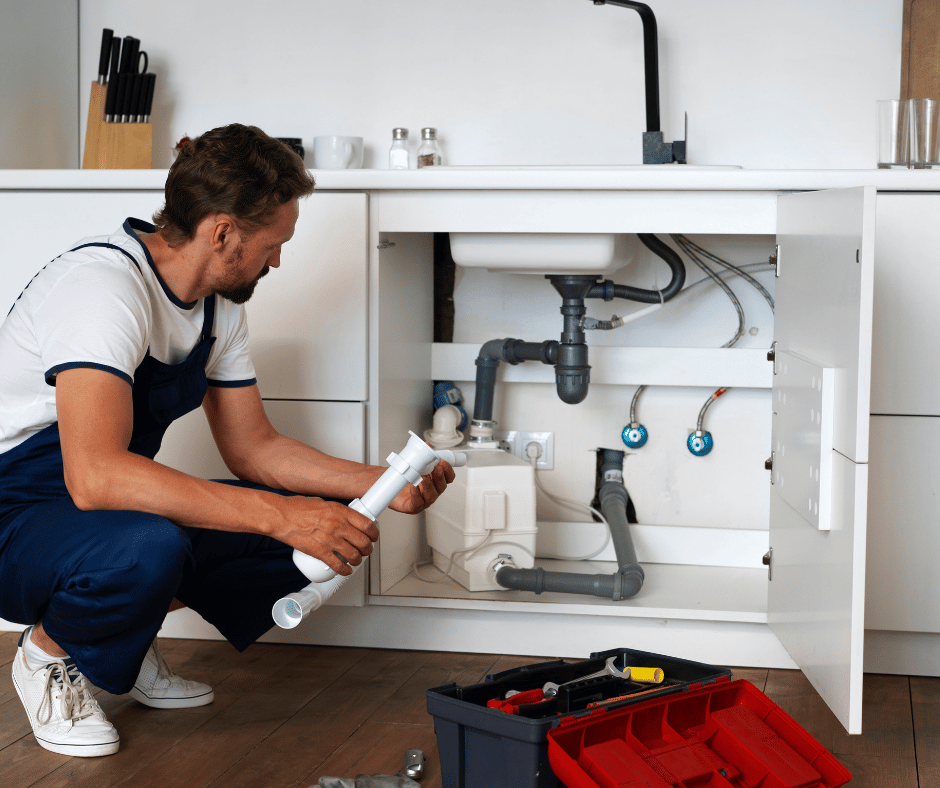
Use these tips to prevent water damage in your Scott County home.
Use these tips to avoid burst pipes.
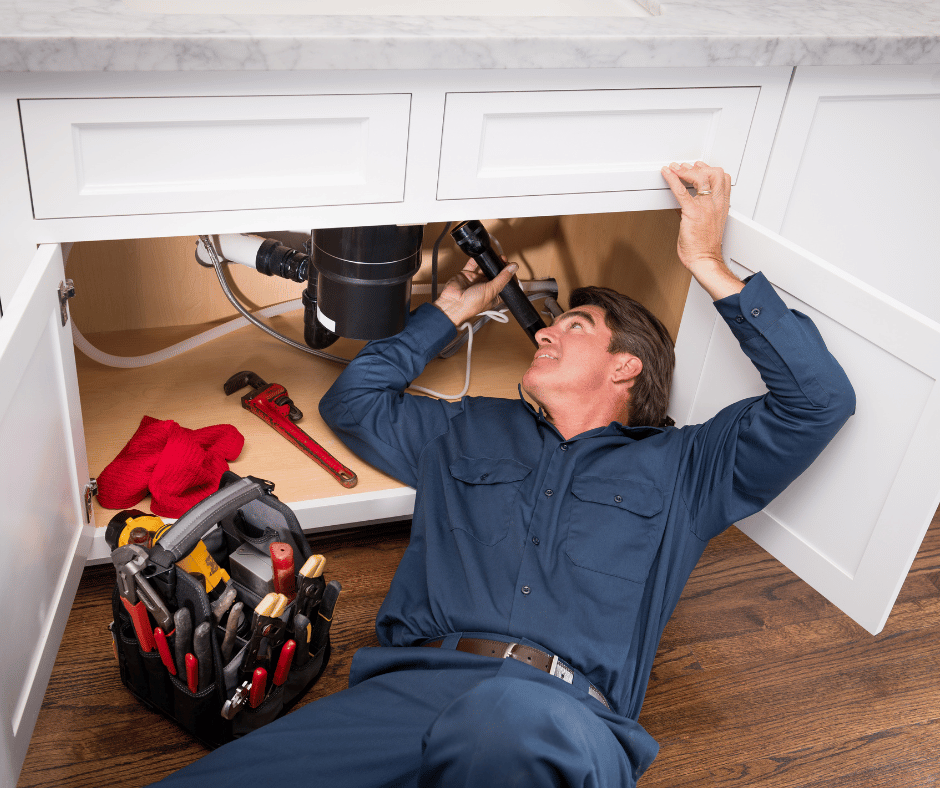
Use these tips to make sure your home is ready to host people all summer.

Why do you need a trained, licensed plumber? We explain why it's essential.
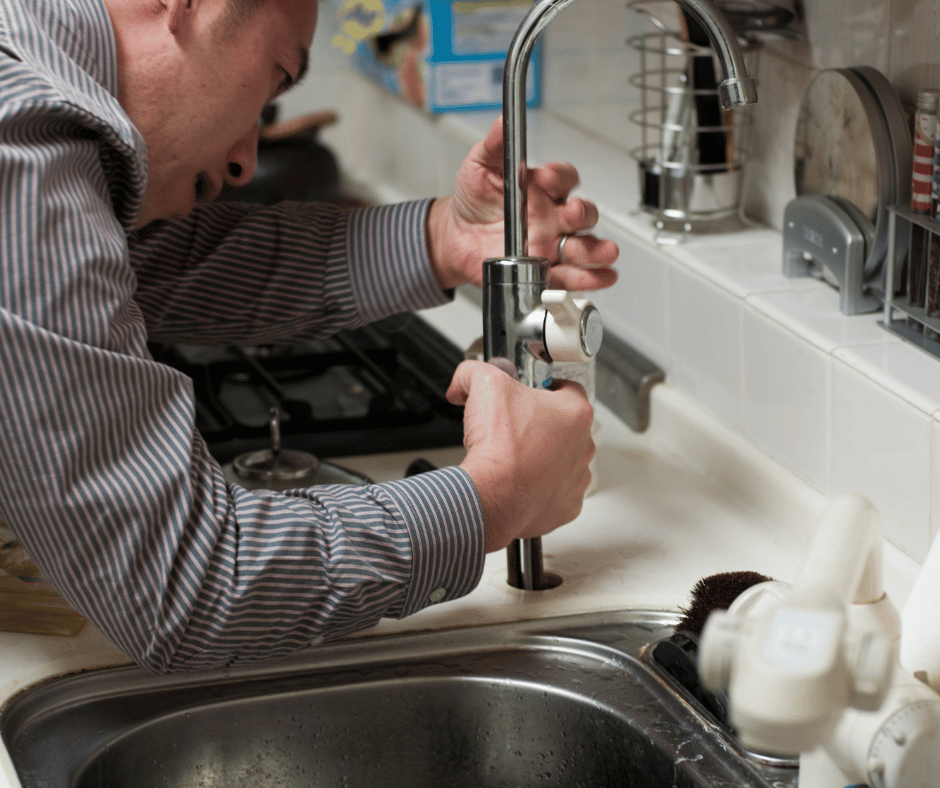
Before you host guests, consider these Prior Lake plumbing tips.
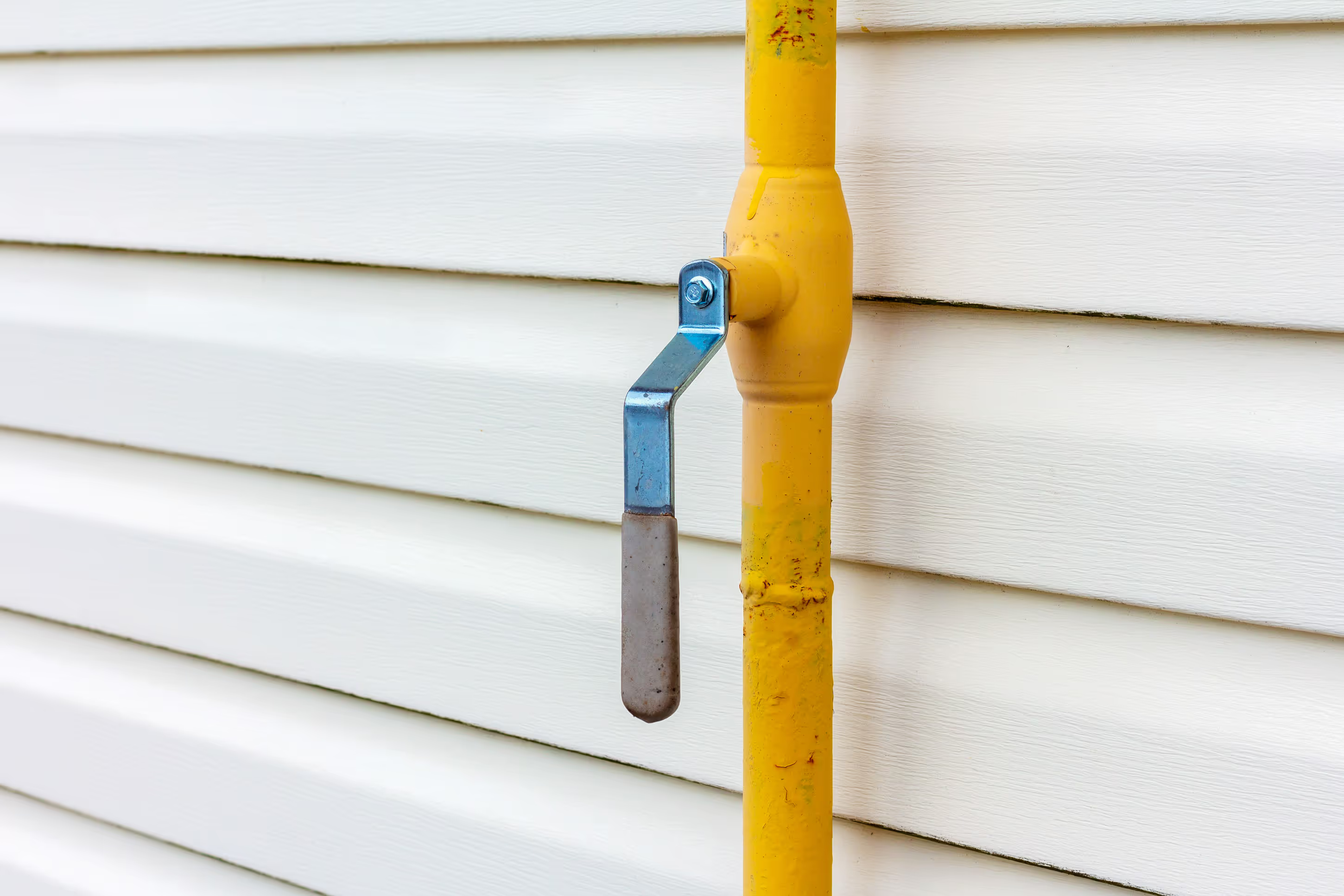
Use these tips when selecting between PEX and copper pipes in Prior Lake, MN.