
Give us a call: 763-220-3765

Choosing a new water heater for your Plymouth MN home represents a significant investment that affects your comfort and utility bills for the next 10-15 years. The right water heater provides reliable hot water for your family's showers, laundry, dishes, and cleaning needs without wasting energy or money. First Class Plumbing helps Plymouth homeowners throughout the Northwest Metro make informed decisions about water heater installation and replacement.
Let's be upfront: we created this comprehensive guide so Plymouth residents searching for "water heater installation" or "new water heater cost Plymouth Minnesota" would find helpful information from licensed professionals. More importantly, we want you to understand the factors that determine which water heater best serves your Plymouth home's specific needs.
Modern water heaters come in several types, each with distinct advantages for different situations. Plymouth homeowners should understand their options before making installation decisions.
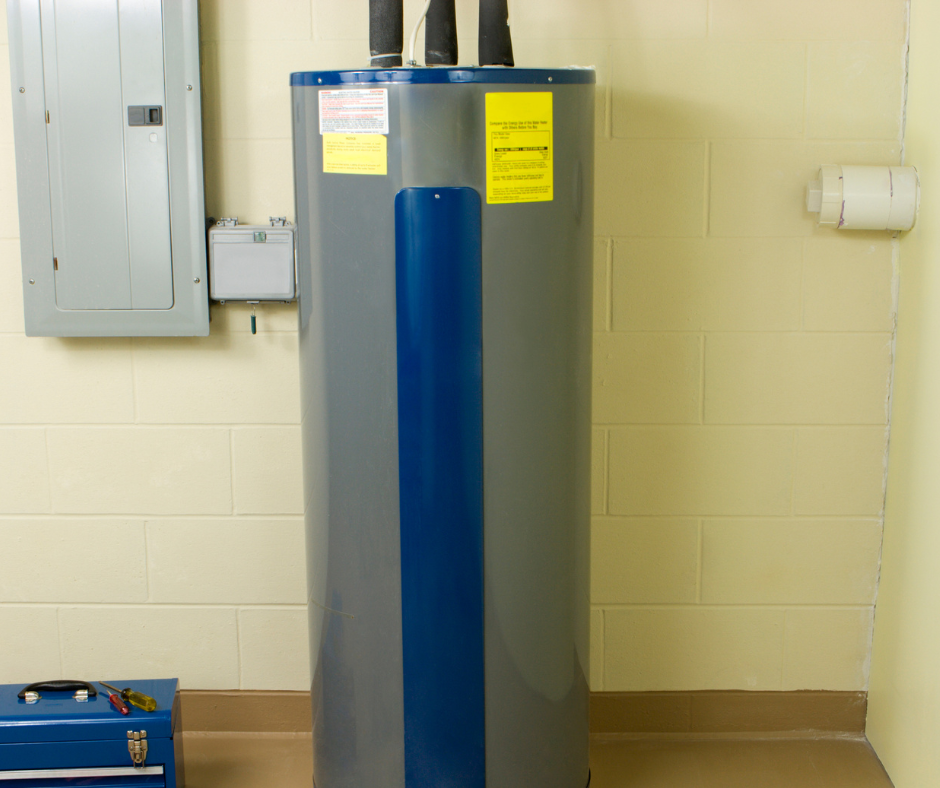
Tank-style water heaters store 40-80 gallons of hot water ready for use. When you turn on a hot water faucet in your Plymouth home, heated water flows from the tank while cold water enters to replace it. The burner or heating element maintains the set temperature continuously.
Tank water heaters represent the most common and affordable option for Plymouth Minnesota homes. The technology is proven and reliable, with typical lifespans of 10-12 years when properly maintained. Replacement parts remain readily available, and any licensed plumber can service them.
Bradford White manufactures the tank water heaters we install most frequently in Plymouth homes. Bradford White builds quality products that last, backs them with strong warranties, and maintains excellent customer service when warranty issues arise. We've had consistently good experiences with Bradford White water heaters throughout Plymouth, Maple Grove, and the Northwest Metro. Read more about why Bradford White tanks last so long in some homes.
Tank water heaters work well for most Plymouth families. A properly sized unit provides plenty of hot water for normal household use. The upfront cost remains significantly lower than tankless systems, making tank water heaters accessible for homeowners on various budgets.
The primary disadvantage of tank water heaters is standby heat loss. The unit maintains water temperature 24/7, even when nobody's using hot water. This wastes some energy, though modern tanks with improved insulation minimize this loss considerably compared to older models.
Tank water heaters also eventually run out of hot water during heavy use. If your Plymouth family includes teenagers who take long showers or you frequently run multiple hot water appliances simultaneously, you might occasionally experience the dreaded cold shower. Proper sizing minimizes this issue for most households.
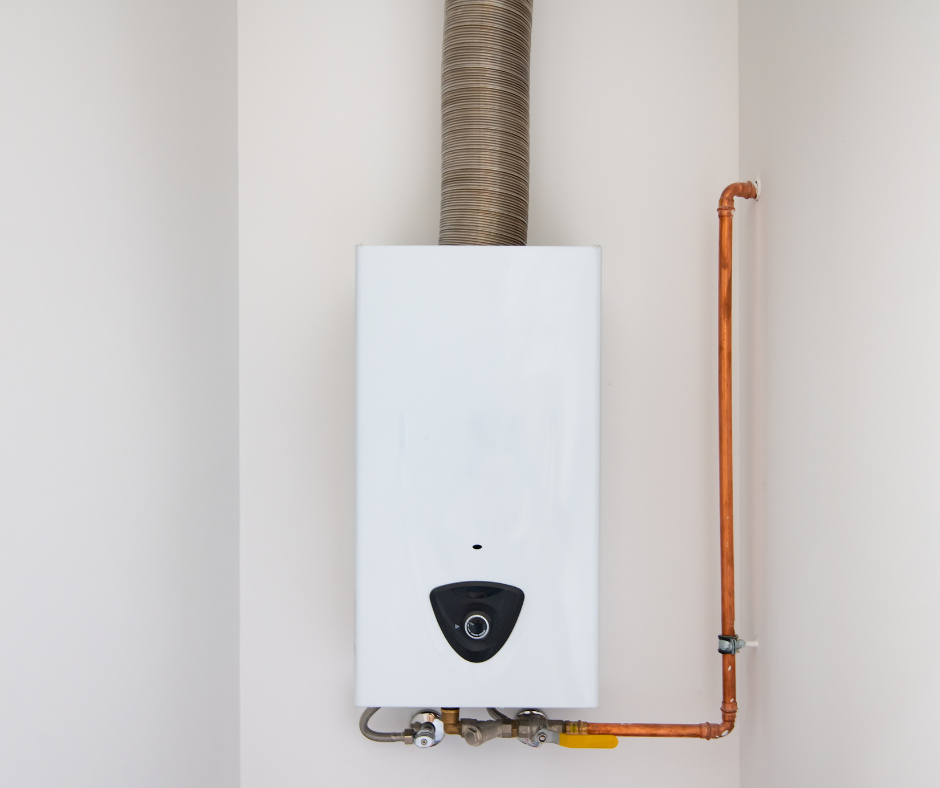
Tankless water heaters heat water on demand as it flows through the unit. They don't store hot water, eliminating standby heat loss. When you turn on a hot water faucet in your Plymouth home, cold water enters the tankless heater, flows past powerful heating elements or a gas burner, and exits hot.
Tankless water heaters appeal to Plymouth homeowners interested in energy efficiency and unlimited hot water supply. These units never run out because they heat water continuously as needed. A properly sized tankless water heater can supply multiple showers running simultaneously without temperature drops.
The energy efficiency advantage of tankless systems comes from eliminating standby heat loss. Your Plymouth home's water heater doesn't waste energy maintaining tank temperature during the eight hours everyone sleeps or the ten hours everyone's at work or school. Learn more about whether tankless water heaters really save money on gas bills.
Tankless water heaters also last longer than tank units. Quality tankless systems from manufacturers like Rinnai or Navien typically provide 15-20 years of service when properly maintained, compared to 10-12 years for tank water heaters.
However, tankless water heaters cost significantly more upfront than tank systems—typically two to three times more for equipment and installation in your Plymouth home. The higher initial investment takes years to recoup through energy savings, making tankless systems better suited for homeowners planning to stay in their Plymouth homes long-term.
Tankless units also have limitations. They work best in homes with natural gas service. Electric tankless water heaters exist but require substantial electrical upgrades in most Plymouth homes, adding considerably to installation costs. The powerful heating requirements of tankless systems exceed typical residential electrical service capacity.
Tankless water heaters need regular maintenance to prevent scale buildup in the heat exchanger, especially in areas with hard water like much of the Twin Cities metro. This maintenance requirement adds to the long-term cost of ownership compared to tank systems.
Heat pump water heaters extract heat from surrounding air and transfer it to water, using a similar principle to air conditioners running in reverse. These systems achieve remarkable efficiency, using electricity primarily to move heat rather than generate it.
Heat pump water heaters make sense for Plymouth homeowners with all-electric homes who want maximum efficiency. They use 60-70% less energy than standard electric resistance tank water heaters, creating substantial savings on utility bills over time.
However, heat pump water heaters have significant limitations for Minnesota homes. They work poorly in cold spaces because they extract heat from surrounding air. Installing one in an unheated Plymouth garage or a cold basement reduces efficiency dramatically during winter months.
Heat pump water heaters also cost more than standard tank units and require more space due to the heat pump equipment mounted on top. The units produce some noise as the heat pump operates, which may bother homeowners if the water heater sits near living spaces.
For most Plymouth homes with natural gas service, gas tank or tankless water heaters provide better value than heat pump models. Heat pump water heaters make the most sense for all-electric Plymouth homes where natural gas isn't available.
Proper sizing ensures adequate hot water without paying for excess capacity. Water heater sizing depends on several factors specific to your Plymouth household.
Tank water heaters are sized by storage capacity—typically 40, 50, or 75 gallons for residential Plymouth homes. The right size depends on the number of bathrooms and bedrooms in your home, not just current occupancy.
Minnesota building codes require sizing based on your Plymouth home's capacity, not how many people currently live there. This protects future buyers and prevents problems if your household size increases.
A two-bathroom, three-bedroom Plymouth home typically needs a 50-gallon water heater. This capacity handles normal family routines including morning showers, evening baths, dishwasher cycles, and laundry loads.
Larger Plymouth homes with three or more bathrooms often benefit from 75-gallon water heaters. These larger tanks provide reserve capacity for busy mornings when multiple family members shower and prepare for work or school simultaneously.
The difference in cost between 40-gallon and 50-gallon water heaters is relatively small—typically around $50-100 for the equipment. When installation costs are factored in, the total difference remains modest. We often recommend 50-gallon units even for smaller Plymouth homes because the minimal extra cost provides helpful capacity cushion.
First hour rating (FHR) provides better sizing information than tank capacity alone. FHR measures how many gallons of hot water the heater can supply during peak one-hour demand, accounting for the burner's recovery rate. A 50-gallon tank might have a 60-gallon FHR because it heats incoming cold water while delivering hot water.
Tankless water heaters are sized by flow rate measured in gallons per minute (GPM). The unit must deliver enough hot water to supply all fixtures that might run simultaneously in your Plymouth home.
A typical shower uses 2.0-2.5 GPM. A bathroom faucet uses 0.5-1.0 GPM. The dishwasher uses about 1.0 GPM. The washing machine on a hot cycle uses 2.0-3.0 GPM.
For Plymouth homes, we calculate peak demand by identifying the maximum combination of hot water uses that might occur simultaneously. A family of four might have two showers running (5 GPM total) while the dishwasher operates (1 GPM), requiring a tankless water heater capable of delivering at least 6 GPM.
Temperature rise requirements also affect sizing. In Plymouth Minnesota, cold water enters your home at approximately 40-45°F during winter months. To heat water to 120°F for comfortable showers requires raising the temperature 75-80 degrees. Tankless units are rated for specific GPM at specific temperature rises, so winter conditions require larger capacity units than the same home would need in warmer climates.
Most Plymouth homes need tankless water heaters rated for 7-9 GPM at the 75-degree temperature rise Minnesota winters demand. These units handle normal family hot water needs reliably.
Understanding water heater installation costs helps Plymouth homeowners budget appropriately and recognize fair pricing from licensed professionals.
Tank water heater installation in your Plymouth home typically costs between $1,800 and $3,500 depending on several factors. This price includes equipment, labor, delivery, disposal of your old water heater, and all necessary materials for a complete installation.
The quality and size of the water heater significantly affects price. A basic 40-gallon builder-grade unit costs less than a premium 50-gallon Bradford White water heater with enhanced features and longer warranty coverage.
Installation complexity also impacts cost. A straightforward replacement in an easily accessible Plymouth basement costs less than installing a water heater in a cramped crawl space or making significant modifications to gas lines, venting, or plumbing connections.
Upgrading from a 40-gallon to a 50-gallon water heater might require relocating the unit or modifying connections due to the size difference. Moving from an older atmospheric vent water heater to a modern power-vent unit requires electrical work and different venting materials. These modifications add to installation costs but often provide benefits for your Plymouth home.
Building code compliance adds some cost but protects your Plymouth household's safety. Minnesota building codes require expansion tanks, proper temperature and pressure relief valve installations, earthquake straps in certain situations, and proper venting for gas water heaters. Licensed plumbers include these code-required components in their installations.
Some Plymouth homeowners consider purchasing water heaters from big-box retailers to save money. While these units cost less initially, they're typically builder-grade models with shorter expected lifespans and limited warranty coverage compared to professional-grade equipment. Learn about the real cost breakdown of big-box store vs. professional water heater installation before making your decision. Big-box stores also don't provide disposal of your old water heater, leaving you to handle that inconvenience and expense separately.
Professional installation through licensed plumbers like First Class Plumbing includes comprehensive service: delivery of quality equipment, proper installation meeting all building codes, disposal of your old water heater, testing to ensure everything works correctly, and warranty coverage on both parts and labor. Our one-year warranty covering parts and labor provides peace of mind beyond the manufacturer's coverage.
Tankless water heater installation in Plymouth homes typically costs $4,500-$7,000 or more depending on your home's specific requirements. The higher cost reflects more expensive equipment and more complex installation requirements.
Quality tankless units from manufacturers like Rinnai or Navien cost significantly more than tank water heaters. The sophisticated electronics, powerful burners, and compact designs in tankless systems create higher manufacturing costs reflected in equipment prices.
Installation complexity drives much of the cost difference. Tankless water heaters require larger gas lines than tank units because they consume gas at much higher rates during operation. Many Plymouth homes need gas line upgrades to supply adequate fuel to tankless units.
Venting requirements for tankless systems also exceed those for traditional tank water heaters. Tankless units typically require stainless steel venting material and specific configurations. If your Plymouth home's existing water heater uses standard metal vent pipe, installation of a tankless system requires complete vent replacement.
Some Plymouth homes need electrical upgrades to power tankless water heaters. While gas provides the heating energy, tankless units require electricity for controls, ignition, and in some models, circulation pumps. The electrical requirements sometimes exceed the capacity of existing circuits.
Despite higher upfront costs, tankless water heaters provide value through energy savings and longer service life. Plymouth homeowners planning to remain in their homes for 10-15+ years may recoup the premium through lower gas bills and delayed replacement costs.
Understanding what happens during professional water heater installation helps Plymouth homeowners prepare and know what to expect.
Our licensed plumbers begin water heater installation in Plymouth homes with careful assessment. We examine your existing water heater, note its size and fuel type, check venting configuration, measure available space, and inspect gas lines and electrical connections.
This assessment identifies any complications or code upgrades necessary for your Plymouth home. Many older homes have outdated installations that met codes decades ago but don't comply with current requirements. Bringing your water heater installation up to current code standards ensures safety and prevents problems during future home inspections or sales.
We also discuss your household's hot water needs. Understanding how many people live in your Plymouth home, whether teenagers take long showers, if you frequently run dishwasher and laundry simultaneously, and other usage patterns helps us recommend appropriate capacity.
Our team disconnects your old water heater safely. This includes shutting off gas or electricity, closing water supply valves, draining the tank, and disconnecting all connections. For gas water heaters, we carefully cap gas lines. For electric units, we safely disconnect electrical circuits.
Removing the old water heater from your Plymouth home requires care, especially when navigating stairs, doorways, or tight spaces. Water heaters are heavy and awkward even when drained. Our delivery and haul service ensures the old unit leaves your Plymouth property properly, saving you the hassle of finding disposal options.
We recycle old water heaters whenever possible. The steel tanks contain recyclable materials. Responsible disposal reflects our commitment to environmental stewardship in Plymouth and throughout the Northwest Metro.
Installing your new water heater involves several precise steps. We position the unit in its designated location, ensuring proper clearances from walls and other equipment as building codes require. Water heaters need specific spacing for safe operation, maintenance access, and proper venting.
We connect water supply lines using appropriate materials. Many Plymouth homes have copper or PEX supply piping. We ensure proper support and routing to prevent stress on connections. Water hammer arrestors may be added if your Plymouth home's plumbing system would benefit from this protection.
Gas line connections must be precise and thoroughly tested. We use proper pipe dope or thread sealant, ensure all connections are tight, and pressure test the gas system before introducing fuel. Safety takes precedence in all gas line work at Plymouth homes.
Venting installation follows manufacturer specifications and Minnesota building codes exactly. Improper venting creates carbon monoxide hazards or causes premature water heater failure. Our licensed plumbers understand proper venting techniques for various water heater types and Plymouth home configurations.
For power-vent water heaters increasingly common in newer Plymouth homes, we install and connect the draft inducer motor properly. These systems use electric fans to exhaust combustion gases, allowing more flexible venting routes than traditional atmospheric vent water heaters but requiring correct installation for reliable operation.
Temperature and pressure relief valves protect against dangerous pressure buildup. We install these critical safety devices properly, with discharge pipes terminating correctly to prevent injury from hot water discharge.
We install expansion tanks as Minnesota building codes require. These small tanks accommodate thermal expansion of heated water, preventing excessive pressure that could damage your Plymouth home's plumbing system or water heater.
After installation, we thoroughly test your new water heater. For gas units, we check for any gas leaks using proper detection solution. We verify proper burner ignition and combustion. We check draft and venting operation.
We adjust temperature settings appropriately. Most water heaters ship set to 140°F, which wastes energy and poses scalding risks. We typically set residential water heaters to 120°F unless your Plymouth household has specific needs for hotter water.
We fill the tank carefully, bleeding air from the system and checking all connections for leaks. Only after confirming everything is watertight do we fire the water heater and begin heating water.
We explain operation and maintenance to Plymouth homeowners. You should understand how to adjust temperature, where the emergency shut-off valves are located, how to test the temperature and pressure relief valve annually, and when to schedule professional maintenance.
We clean the work area thoroughly, removing all packaging materials, old parts, and debris. Our delivery and haul service means your old water heater leaves with us—you don't deal with disposal hassles.
Every water heater installation in Plymouth homes includes our comprehensive one-year warranty covering parts and labor. This warranty supplements the manufacturer's six-year tank warranty, providing additional protection and peace of mind. Learn about how plumbers honor water heater warranties and why professional installation matters.
We install Bradford White water heaters in most Plymouth homes because they consistently deliver excellent performance, reliability, and value. Bradford White builds quality products that last, making them worth the modest premium over builder-grade alternatives.
Bradford White has earned strong reputation among professional plumbers through decades of consistent quality. Unlike some manufacturers who sell primarily through big-box retailers, Bradford White sells exclusively through professional plumbing distributors, maintaining quality standards and supporting professional installation.
The construction quality of Bradford White water heaters exceeds typical builder-grade units. The glass lining inside the tank resists corrosion better. The anode rod that protects the tank from rust is more substantial. The burner assembly and combustion chamber are engineered for reliability and efficiency.
Bradford White warranty support consistently exceeds competitors. When warranty situations arise—and they occasionally do with any water heater—Bradford White works with us to take care of Plymouth homeowners quickly and fairly. We've had good experiences getting warranty coverage even in borderline situations like tanks just outside the standard warranty period.
The service and parts availability for Bradford White water heaters remains excellent. When your Plymouth home's water heater needs maintenance or repair years after installation, we can source genuine Bradford White parts readily. This long-term serviceability adds value compared to brands with limited parts availability.
Bradford White water heaters suit Minnesota's climate and water conditions well. They handle our cold incoming water temperatures during winter without problems. They perform reliably in Plymouth basements, utility rooms, and wherever residential water heaters get installed in Northwest Metro homes.
Plymouth homeowners sometimes ask about other water heater brands. A.O. Smith represents Bradford White's primary competitor, building decent products at similar price points. We'll install A.O. Smith water heaters if Plymouth customers specifically request them, though we prefer Bradford White based on our experience.
Rheem and State water heaters are widely available at big-box retailers. These brands build adequate products for their market position, but we don't recommend them for Plymouth homeowners seeking best value and longevity. The modest savings on equipment doesn't justify the reduced quality and service life you typically get.
For tankless water heaters, Rinnai and Navien represent our top choices for Plymouth homes. These manufacturers specialize in tankless technology and build reliable units suited to Minnesota's climate and water conditions. Both brands provide good support and service when needed.
Proper maintenance extends water heater life and ensures reliable performance for your Plymouth household. Most maintenance is straightforward and requires minimal time and expense.
Test the temperature and pressure relief valve annually. This critical safety device releases pressure if the tank overheats or pressure builds excessively. The test lever should release a small amount of water from the discharge pipe. If nothing comes out or water continues flowing after releasing the lever, replacement is necessary.
Drain several gallons from your Plymouth home's water heater annually to remove sediment. Mineral-rich Twin Cities water deposits sediment at the bottom of water heater tanks over time. This sediment insulates water from the burner, reducing efficiency and accelerating tank deterioration. Draining removes accumulated sediment before it causes problems.
Inspect the anode rod every three years. This sacrificial component protects the tank from corrosion by attracting corrosive elements that would otherwise attack the steel. When the anode rod deteriorates significantly, replacement extends tank life. Many Plymouth homeowners overlook anode rod maintenance, costing them years of water heater service life.
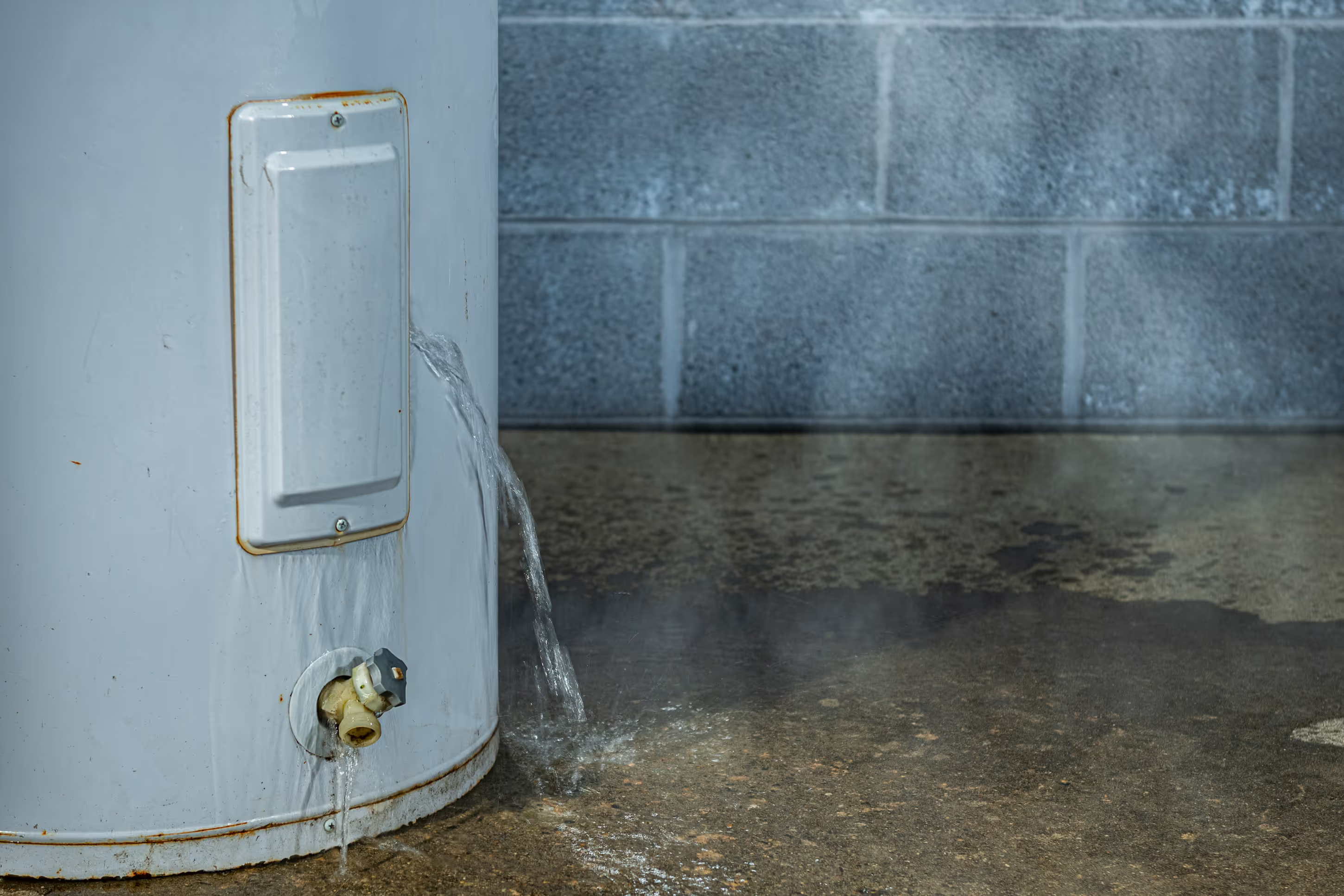
Check for water leaks around your Plymouth home's water heater periodically. Small leaks from connections can be tightened before they worsen. Leaks from the tank itself signal approaching failure and warrant immediate water heater replacement planning. Read our guide about when to repair vs. replace a leaking water heater.
Our licensed plumbers provide comprehensive water heater maintenance for Plymouth homeowners who prefer professional service. Annual professional maintenance includes all the tasks above plus additional checks that protect your investment.
We inspect gas burner operation and combustion efficiency. Over time, burners can become dirty or misaligned, reducing efficiency and potentially creating safety concerns. We clean and adjust as necessary.
We check venting systems for proper draft and any deterioration. Vent pipes corrode over time or can become disconnected, creating carbon monoxide hazards. Regular inspection catches these problems early.
We test electrical components on electric water heaters, checking heating element condition and thermostat operation. We measure amperage draw to detect any developing problems.
Professional maintenance typically costs $150-250 in Plymouth and throughout the Northwest Metro. This investment often prevents repairs costing several hundred dollars and helps your water heater reach its full service life expectancy.
Most water heaters in Plymouth homes last 10-12 years with proper maintenance. Several factors help you decide whether to replace proactively or wait for failure.
Water heaters approaching or exceeding 10 years old merit careful monitoring. Check the serial number on your Plymouth home's water heater to determine its age. Most manufacturers encode the installation date in the serial number.
Visual inspection reveals important clues. Rust on the tank exterior suggests internal corrosion may be advancing. Water stains on the floor near your Plymouth home's water heater indicate leaks that will likely worsen. Rust-colored hot water signals internal tank deterioration. Learn about signs your water heater needs replacement in Plymouth homes.
Declining hot water quantity signals approaching failure. If your Plymouth family used to have enough hot water for everyone's morning showers but recently experiences shortages, your water heater is losing capacity due to sediment buildup or element failure.
Longer heating times indicate efficiency loss. If your water heater takes noticeably longer to recover after heavy use, deterioration is occurring.
Strange noises from your water heater suggest sediment accumulation or component failure. Popping, rumbling, or banging sounds warrant professional inspection.
Proactive water heater replacement before failure offers several advantages for Plymouth homeowners. You control timing, scheduling installation during regular business hours at standard rates rather than paying emergency service premiums.
Proactive replacement prevents water damage from catastrophic tank failure. A burst water heater flooding your Plymouth basement can cause thousands of dollars in additional damage to flooring, drywall, stored possessions, and adjacent rooms.
You can research options thoroughly and choose the ideal water heater for your Plymouth home's needs rather than making rushed decisions during an emergency.
However, proactive replacement means paying for a new water heater while the old one still works. Some Plymouth homeowners prefer to maximize value from their existing water heater, accepting the risk of emergency replacement later. Read about whether to replace proactively at 10 years or wait for failure.
The decision depends partly on your circumstances. Plymouth homeowners planning to sell soon might reasonably wait rather than investing in a new water heater that primarily benefits the next owner. Those planning to remain long-term should consider proactive replacement for an aging water heater.
First Class Plumbing provides professional water heater installation for homeowners throughout Plymouth Minnesota and surrounding communities in the Northwest Metro. Based in nearby Maple Grove, we serve Plymouth, Minnetonka, Wayzata, Medina, Golden Valley, St Louis Park, Brooklyn Park, Coon Rapids, Blaine, and the entire surrounding area.
Our licensed plumbers bring experience with the specific challenges Plymouth homes present. We understand local building codes, typical home configurations in different Plymouth neighborhoods, and the plumbing characteristics of homes from various eras in the Northwest Metro.
Whether you live in downtown Plymouth near Highway 55, in neighborhoods around Medicine Lake or Bass Lake, or in newer developments on Plymouth's west side, our team provides professional water heater installation backed by comprehensive warranty coverage.
Every water heater installation includes our one-year parts and labor warranty. This demonstrates our confidence in our workmanship and commitment to customer satisfaction throughout Plymouth and the Northwest Metro.
We stock Bradford White water heaters in common sizes at our Maple Grove facility, allowing same-day or next-day installation for most Plymouth homes. When you need a new water heater, we respond quickly with quality equipment and professional installation.
Check out our customer reviews to see what other Plymouth and Northwest Metro homeowners say about our water heater installation and plumbing services.
When you need water heater installation or replacement in Plymouth Minnesota, First Class Plumbing delivers the professional service and quality products you deserve. Our licensed plumbers help Plymouth homeowners make informed decisions about water heater selection, then complete installations that meet all building codes and manufacturer specifications.
Based in Maple Grove, we serve Plymouth and the entire Northwest Metro with comprehensive plumbing services including water heater installation, repair, and maintenance. Our team combines technical expertise with transparent communication and reliable follow-through. Learn more about our company and what makes us different.
Every water heater installation includes our comprehensive one-year parts and labor warranty, providing protection beyond manufacturer coverage. We stand behind our work completely.
Contact First Class Plumbing today for water heater installation in Plymouth MN and throughout the Northwest Twin Cities metro area. We're ready to help your Plymouth household enjoy reliable hot water for years to come.
Do you need extra water heater storage? Consider these factors.
What are the best, most reliable water heater brands? Use these tips from our pros.
Is it more cost-effective to repair or replace an aging water heater? Our experts weigh in.
Get estimates on how much a new water heater can cost in the Twin Cities.
Learn the key differences between power vent water heaters and atmospheric vent water heaters.
Is your Twin Cities home ideal for a tankless water heater? Consider these factors.