
Give us a call: 763-220-3765


Walking into your basement to discover water pooling around your water heater creates instant panic. Is this an emergency? Can it be repaired? How much will this cost? These are the exact questions racing through every homeowner's mind when they discover their water heater is leaking.
The frustrating reality is that water heater leaks range from simple $50 fixes to complete $2,500 replacements—and without professional expertise, it's nearly impossible to know which situation you're facing. Making the wrong decision can cost you thousands in unnecessary expenses or leave you without hot water for days.
At First Class Plumbing, we've diagnosed and resolved hundreds of water heater leaks throughout Minnesota. After years of helping homeowners navigate these stressful situations, we've developed a clear framework for determining when repair makes sense versus when replacement is the smarter investment.
The location of your water heater leak determines both the urgency and the likely solution:
Common Causes:
Typical Repair Cost: $150-400Urgency: Medium - can usually wait 24-48 hours for professional service
Common Causes:
Typical Cost: $1,200-2,500 for replacement
Urgency: High - indicates potential tank failure
Common Causes:
Decision Factor: Age of unit and warranty status
Recommendation: Repair in most cases
Reasoning: Likely covered under warranty, tank integrity still good
Exception: Major internal damage or repeated failures
Recommendation: Depends on repair cost and efficiency needs
Reasoning: Past warranty but likely has remaining useful life
Decision Rule: If repair costs exceed 50% of replacement cost, replace
Recommendation: Replace in most cases
Reasoning: Near end of expected lifespan, likely to need additional repairs soon
Bonus: New units are significantly more energy-efficient
Many homeowners focus only on the immediate repair cost, but older water heaters that receive major repairs often face these additional expenses within 12-18 months:
Our harsh Minnesota winters create unique challenges for water heaters:
When you call us at 763-220-3765 for a water heater leak, here's our diagnostic process:
Water heater leaks don't improve on their own—they only get worse and more expensive over time. Whether your situation requires a simple repair or complete replacement, getting professional diagnosis quickly protects your home from water damage and ensures you maintain reliable hot water.
Discovered a water heater leak? Don't let uncertainty cost you money or risk water damage to your home. Contact First Class Plumbing or call 763-220-3765 for same-day diagnostic service. Our Minnesota-licensed technicians will provide honest assessment and transparent pricing so you can make the right decision for your situation and budget.
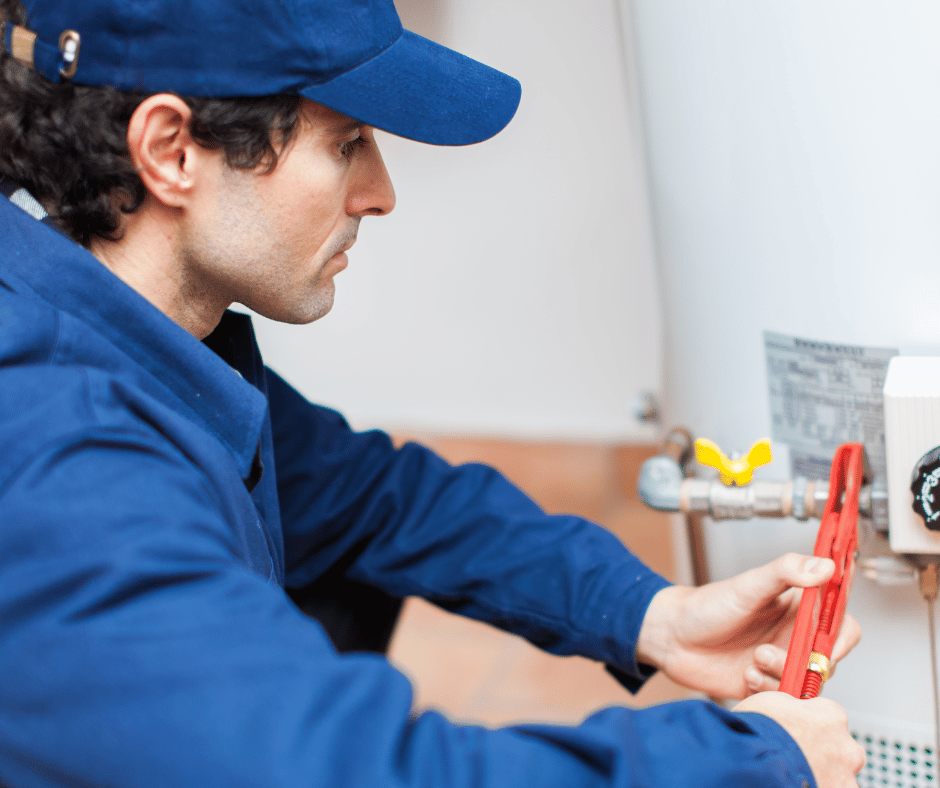
Do you need extra water heater storage? Consider these factors.
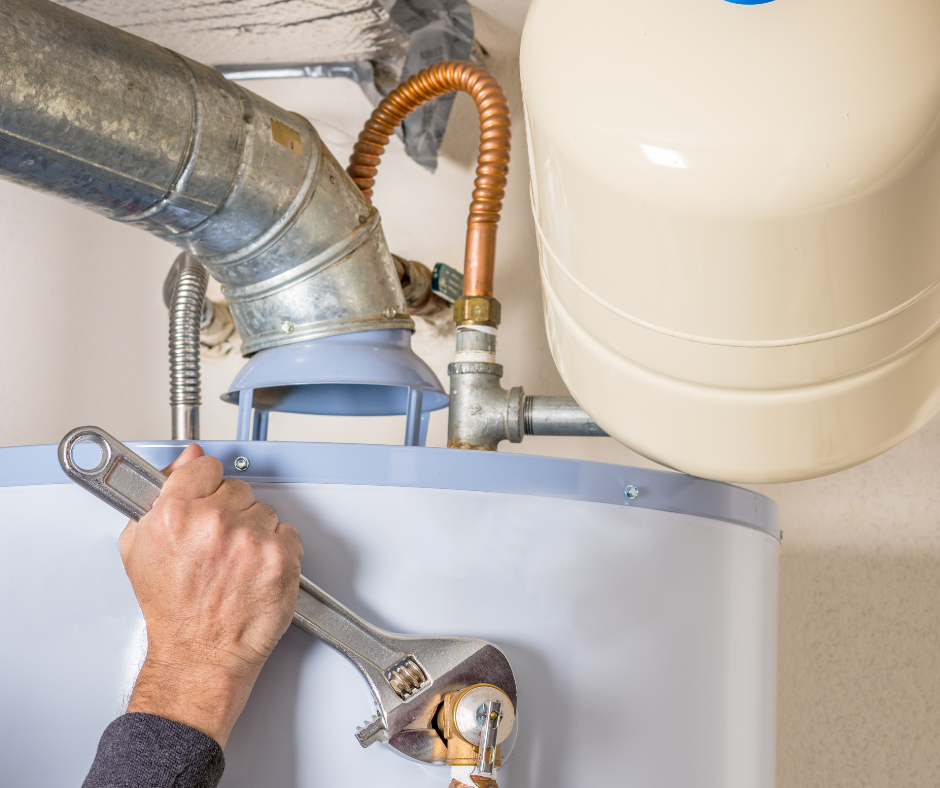
What are the best, most reliable water heater brands? Use these tips from our pros.
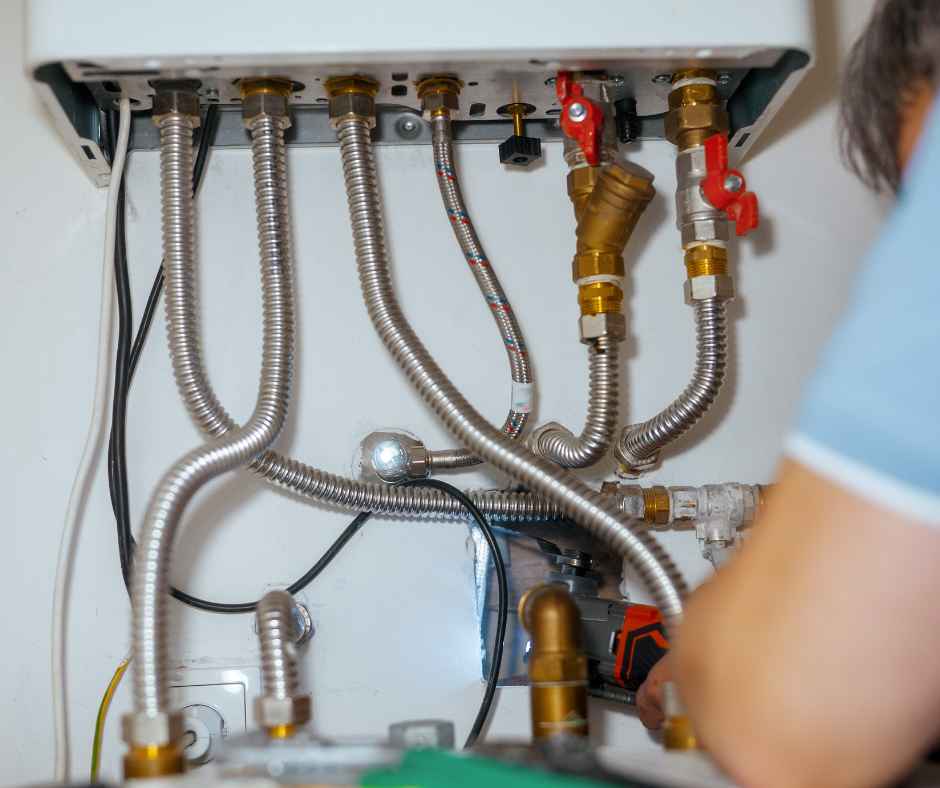
Is it more cost-effective to repair or replace an aging water heater? Our experts weigh in.
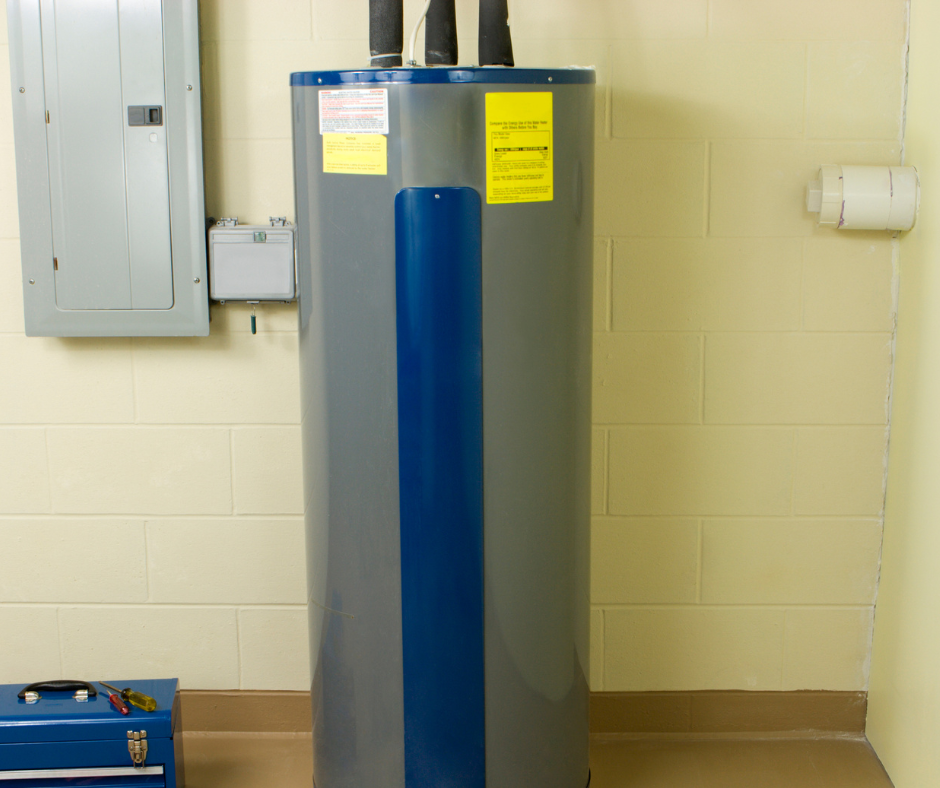
Get estimates on how much a new water heater can cost in the Twin Cities.
Learn the key differences between power vent water heaters and atmospheric vent water heaters.
Is your Twin Cities home ideal for a tankless water heater? Consider these factors.