
Give us a call: 763-220-3765

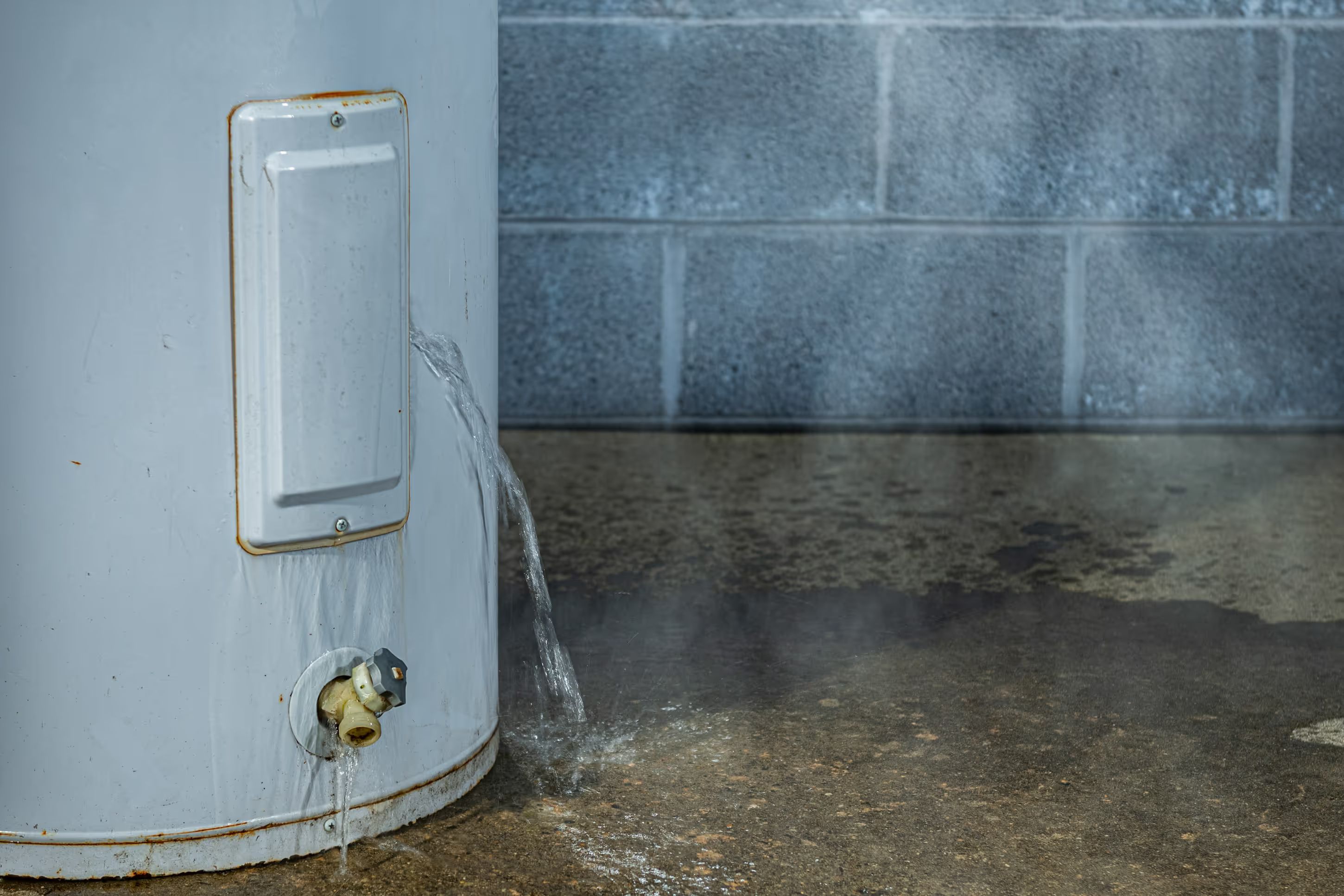
Your water heater just died, and you need hot water back ASAP. You're weighing your options: run to the big box store, buy a water heater, and install it yourself (or hire a handyman), or call a professional plumber like First Class Plumbing. The big box price tag looks tempting, but is it really the better deal?
We've replaced countless water heaters for Minnesota homeowners who initially tried the DIY route or went with the cheapest option. Here's the honest breakdown of what you're really getting—and what it actually costs—when you choose between big box stores and professional installation.
Let's start with the obvious question: how much more expensive is professional installation?
Total: $550-$1,165 (not including the value of your time or potential complications)
The difference: $635-$1,335 more for professional installation
But here's where the real comparison begins.
Here's something most homeowners don't know: the water heaters sold at big box stores are often manufactured with cheaper components specifically for the retail market. As we explained in our guide to signs your water heater needs replacement, quality matters when you're talking about an appliance that should last 10-12 years.
Why it matters: A water heater is a significant investment. Saving $300 upfront but replacing it 2-3 years early costs you much more in the long run.
According to Bradford White, one of the industry's leading manufacturers, warranty support varies significantly based on where you buy. When we install a Bradford White water heater, we handle all warranty claims on your behalf. If something goes wrong during the 6-year tank warranty period, we coordinate with the manufacturer—you don't have to.
With a big box purchase, you're navigating warranty claims yourself, dealing with customer service departments, and potentially paying for labor even if the part is covered.
Time: The 4-6 hour estimate assumes everything goes perfectly. In reality, DIY water heater installations often involve:
Risk of improper installation: According to the U.S. Department of Energy, improper installation can reduce efficiency by 25% or more, costing you hundreds annually in wasted energy.
No warranty on installation: If you install it yourself and something goes wrong, you're paying for repairs out of pocket. Professional installation includes our one-year parts and labor warranty.
Code violations: Minnesota plumbing code has specific requirements for water heater installation. DIY installations often miss these, which can:
At First Class Plumbing, we primarily install Bradford White water heaters because they offer the best combination of quality, longevity, and customer service. We've seen firsthand how Bradford White stands behind their products—even honoring warranties slightly past expiration when it's close.
We also work with A.O. Smith for tank-style water heaters, and Rinnai or Navien for tankless systems. These are professional-grade products built to last, not cheapened versions manufactured for retail sale.
When you choose First Class Plumbing, here's what you get:
Delivery and haul-away: We bring the new water heater to your home and take the old one with us. No need to:
This service alone saves you 2-3 hours and potential back injury.
Professional installation adapted to your home: Every home is different. We:
Time savings: We typically complete water heater replacements in 2-4 hours, and you don't have to do any of the work.
Peace of mind: Our installations come with a comprehensive one-year warranty on parts and labor. If anything goes wrong, we fix it—no questions asked.
This is huge. We don't just ask how many people live in your home. Minnesota plumbing code requires sizing based on bedrooms and bathrooms to ensure the system is adequate for the property, not just current occupants. This matters when you sell your home.
We also help you make smart decisions. A 50-gallon water heater is only about $50 more than a 40-gallon, and we typically recommend the upgrade for that extra buffer. But if budget is a concern, we present multiple options so you can make the best choice for your situation.
This is where the cost comparison gets serious. Improper water heater installation can be fatal.
As we discussed in our article about the hidden dangers of DIY plumbing, improper venting is one of the most dangerous mistakes. If combustion gases aren't vented properly, carbon monoxide can build up in your home.
We recently responded to a call where a homeowner's "friend who knows plumbing" installed a water heater with a back-pitched vent. The entire brick chimney was crumbling inside, allowing gases into the home. It was only a matter of time before this could have had tragic consequences.
Professional installation ensures:
Is your family's safety worth the $635-$1,335 "savings"?
Some big box stores offer installation services. Here's what to know:
Who's actually doing the work? Often it's subcontractors who may or may not be properly licensed and insured. Always verify credentials.
Quality varies wildly: You're rolling the dice on who shows up and what quality of work you'll get.
Limited warranty: Installation warranties through big box stores are often shorter and more restrictive than what you get from a local, licensed plumber.
No relationship: Once the job is done, you're just another transaction. At First Class Plumbing, we're your local plumber for life—we want you calling us for all your plumbing needs, so we make sure you're happy.
Here's our honest recommendation based on your situation:
If you're selling your home in 1-2 years: The big box option might make sense if budget is extremely tight. You're not going to see the long-term benefits of quality installation, and the next owner will likely replace it anyway.
If you're staying 3+ years: Professional installation is the better investment. You'll get:
If you're staying 10+ years: This is a no-brainer. Professional installation with quality products will save you money over time through better efficiency, longer lifespan, and fewer repairs.
We're not here to pressure you or push the most expensive option. At First Class Plumbing, we believe in honest recommendations and transparent pricing. When you call us at 763-220-3765 for a water heater replacement, we:
Only you can decide what's right for your situation. But consider:
What's your time worth? If you value your weekend at $30/hour, that 6-hour DIY project just cost you $180 in time alone.
What's your peace of mind worth? Knowing it's installed correctly, safely, and with a warranty?
What's your safety worth? Protecting your family from carbon monoxide, gas leaks, and fire hazards?
What's your home's value worth? Proper, permitted installation protects your investment.
For most Minnesota homeowners, the $635-$1,335 difference for professional installation is money well spent. But if you're in a temporary situation and extremely budget-conscious, we understand the appeal of DIY.
If you're tired of cold showers and ready for a properly installed, quality water heater, contact First Class Plumbing today or call us at 763-220-3765. We'll give you honest pricing, quality service, and the peace of mind that comes with professional installation.
Do you need extra water heater storage? Consider these factors.
What are the best, most reliable water heater brands? Use these tips from our pros.
Is it more cost-effective to repair or replace an aging water heater? Our experts weigh in.
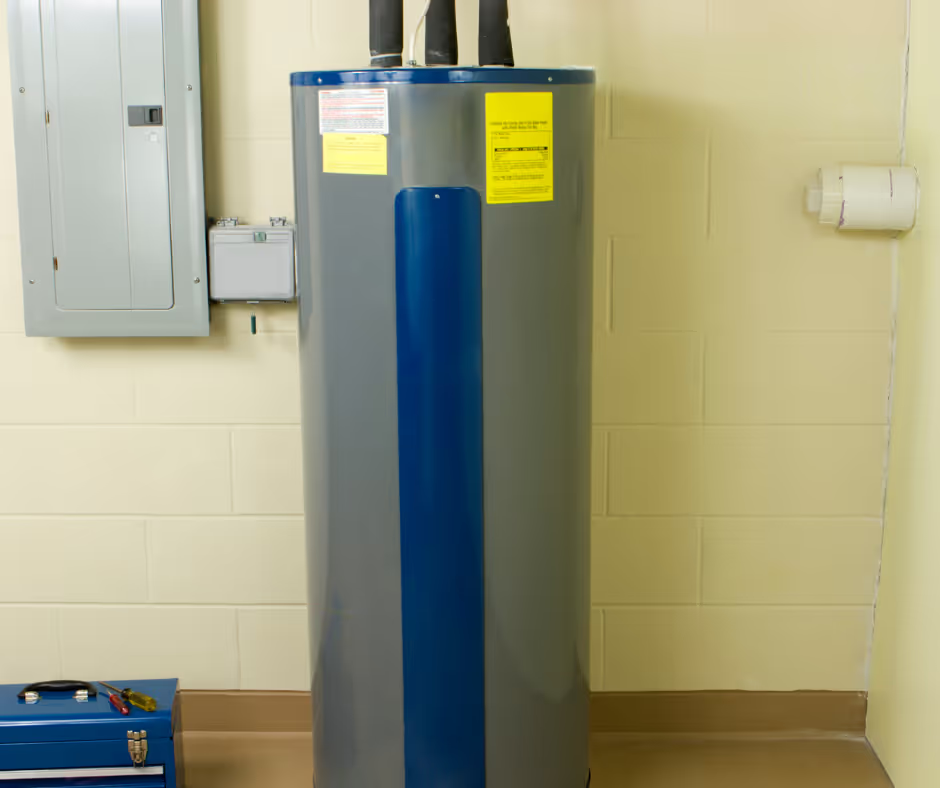
Get estimates on how much a new water heater can cost in the Twin Cities.

Learn the key differences between power vent water heaters and atmospheric vent water heaters.

Is your Twin Cities home ideal for a tankless water heater? Consider these factors.