
Give us a call: 763-220-3765

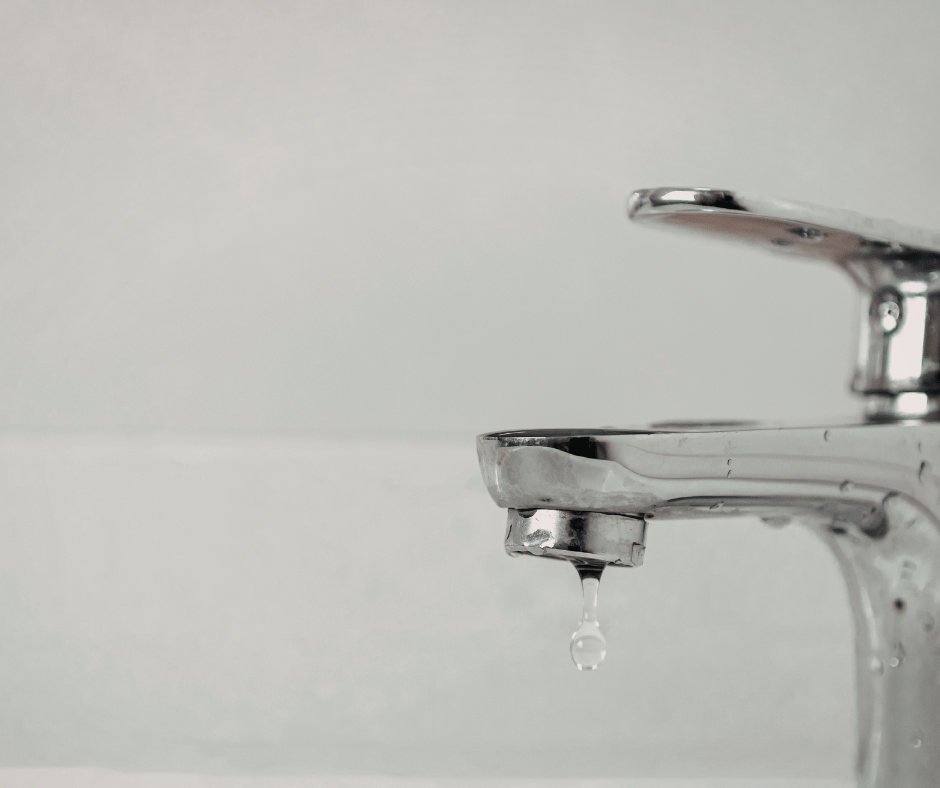
If you're searching "faucet low water pressure Maple Grove" or "why is my bathroom sink pressure low," you're dealing with a frustrating problem that affects daily tasks throughout your Twin Cities home. The good news: most faucet-specific pressure problems have straightforward solutions once you identify the cause.
At First Class Plumbing, we diagnose and repair water pressure problems throughout Maple Grove, Plymouth, Minnetonka, and the Northwest Metro. Here's what causes low pressure at individual faucets and how to fix it.
Before diagnosing faucet pressure problems, answer this critical question: Is low pressure affecting one faucet, multiple faucets, or your entire home?
One faucet has low pressure, others are fine: The problem is specific to that fixture—likely a clogged aerator, faulty cartridge, or supply line issue. These are localized problems with localized solutions.
Multiple faucets have low pressure, but shower is fine: You're probably dealing with clogged aerators throughout your home—common in Minnesota's hard water areas.
All fixtures including shower have low pressure: This is a whole-house problem—pressure reducing valve failure, partially closed main valve, water softener issues, or supply line problems.
This blog focuses on faucet-specific problems. If your entire Maple Grove home has low pressure, the issue is upstream from individual fixtures.
Faucet aerators—the screened tip at the end of your faucet spout—are designed to mix air with water, creating a smooth, splash-free flow while reducing water consumption. But Minnesota's hard water causes mineral buildup that clogs these aerators.
How aerators clog in Twin Cities homes:
Maple Grove water contains 12-16 grains per gallon of hardness minerals (calcium and magnesium). Every time water flows through your faucet, microscopic mineral deposits accumulate on the aerator screen. Over months and years, these deposits build into crusty white scale that blocks water flow.
If you have a water softener, you experience far less aerator clogging. Homes without softeners see significant buildup within 6-12 months.
Symptoms of clogged aerators:
The easy fix:
Remove the aerator (it unscrews counterclockwise from the faucet spout—use pliers if hand-tight doesn't work), rinse the screen under water, soak it in white vinegar for 30 minutes to dissolve mineral deposits, scrub with an old toothbrush, and reinstall.
Total time: 35 minutes including soaking. Cost: free.
Many Northwest Metro homeowners are amazed at the pressure improvement from simply cleaning aerators. This simple maintenance should be done annually in hard water areas.
Pro tip: If your aerator is severely corroded or damaged during removal, replacements cost $3-8 at any hardware store. Bring the old one to match thread size.
Modern faucets use cartridges to control water flow and mixing. These ceramic or plastic cartridges contain precise channels and seals that direct water. When cartridges fail or become clogged with mineral deposits, water flow decreases.
How cartridge problems develop:
Minnesota hard water deposits minerals inside the cartridge channels over time. These deposits narrow the water passages, restricting flow. Additionally, cartridge seals can wear, degrade, or shift position—all affecting water delivery.
Symptoms of cartridge problems:
The solution:
Replace the faucet cartridge. This varies by brand:
Moen faucets: Cartridge replacement is straightforward. Moen offers lifetime warranties on cartridges—contact them for free replacements if your faucet qualifies.
Delta faucets: Similarly cartridge-based with good warranty support. Replacement cartridges widely available.
Kohler faucets: Quality cartridges but brand-specific—you need the exact Kohler replacement for your model.
Cartridge replacement costs $15-40 for parts if you DIY, or $150-$250 for professional service including the cartridge. The job takes 30-60 minutes for experienced technicians.
For faucets over 15 years old with cartridge problems, replacement often makes more sense than repair. Modern faucets are more efficient and come with better warranties.
Every sink has hot and cold shutoff valves under the sink that allow you to turn off water to that fixture without affecting the rest of your home. Sometimes these valves aren't fully open, restricting flow.
How this happens:
Someone performed work under your sink—maybe replacing the garbage disposal, fixing a leak, or installing a new faucet—and didn't fully reopen the shutoff valve afterward. Or the valve was partially closed years ago and everyone forgot about it.
Gate valves (common in older Maple Grove homes) can also partially close over time as the stem corrodes or shifts.
Easy diagnosis:
Look under your sink. Find the hot and cold shutoff valves (typically on the wall or floor). Turn them fully counterclockwise. You should feel them stop when fully open.
If valves were partially closed, pressure should improve immediately when you open them.
Corroded shutoff valves:
Sometimes shutoff valves are fully open but corroded internally, restricting flow. This is common in homes over 30 years old with original brass shutoff valves.
If your shutoff valves are crusty, difficult to turn, or visibly corroded, they may need replacement regardless of position. New quarter-turn ball valves ($8-15 each) provide better flow and easier operation.
Replacing shutoff valves costs $75-$150 per pair professionally, or you can DIY if comfortable with basic plumbing.
Flexible supply lines connect your shutoff valves to your faucet. These braided stainless steel or plastic lines can develop problems affecting water flow.
Internal clogs:
Sediment, debris, or mineral deposits can accumulate inside supply lines over time, especially in homes with:
Kinked lines:
During installation or subsequent work under your sink, supply lines can get pinched or kinked. Even a slight kink restricts water flow significantly.
Collapsed lines:
Cheap supply lines sometimes collapse internally, especially if they've been overtightened during installation. The braided exterior looks fine, but the interior hose has crimped.
The fix:
Replace supply lines. Quality braided stainless steel supply lines cost $8-15 each at hardware stores. This is a simple DIY project:
Shut off water at the shutoff valve, disconnect the old supply line from both the valve and the faucet, connect the new supply line (hand-tight plus 1/4 turn with a wrench), turn water back on, and check for leaks.
If you're replacing supply lines, use name-brand products (BrassCraft, FluidMaster, Watts). Cheap no-name supply lines fail frequently and aren't worth the $3 savings.
Some Maple Grove neighborhoods—particularly those with older infrastructure—experience periodic sediment issues when the city performs water main work or when seasonal changes affect groundwater.
Sediment can accumulate in your home's pipes and work its way to fixture connections, partially blocking flow.
Symptoms:
The temporary fix:
Remove aerators from affected faucets and run water for several minutes to flush sediment through the lines. The heavy flow without aerator restriction can clear minor blockages.
The permanent fix:
Install sediment filters on your main water line or at individual fixtures. For whole-house solutions, a sediment filter before your water heater protects all fixtures and appliances from sediment damage.
If sediment is an ongoing problem in your area of the Northwest Metro, whole-house water filtration removes sediment before it reaches any fixtures.
Many Maple Grove homes built before 1970 have galvanized steel water pipes. These pipes corrode internally over decades, developing rust and mineral scale that narrows the pipe's effective diameter.
A galvanized pipe that started at 3/4-inch diameter might effectively be 1/4-inch diameter after 50 years of corrosion and scale buildup.
Symptoms of galvanized pipe problems:
How to check:
If you have access to exposed pipes in your basement, look at the material. Galvanized pipes are dull gray and magnetic. Copper pipes are shiny orange/brown and non-magnetic. PEX pipes are flexible plastic.
If you have galvanized pipes and progressive pressure loss, internal corrosion is likely.
The only real solution:
Replumb with modern materials (PEX or copper). Partial repiping helps, but eventually whole-house repiping is necessary for homes with severely corroded galvanized pipes.
This is expensive ($3,000-$8,000+ depending on home size and complexity) but necessary for proper water flow and safe water quality. We wrote about when galvanized pipe replacement becomes necessary for Maple Grove homeowners.
When only hot water has low pressure—or only cold water—the problem is in the specific supply system.
Low hot water pressure only:
Sediment in water heater: Minnesota hard water causes sediment accumulation at the bottom of tank water heaters. This sediment can partially block the hot water outlet, reducing flow to all hot water fixtures.
The solution is flushing your water heater to remove sediment. For severe buildup in older water heaters, flushing might not fully restore flow. Water heater replacement might be necessary.
Partially closed valve on water heater: Check the valve on the hot water outlet pipe from your water heater. Ensure it's fully open.
Corroded hot water pipes: In homes with galvanized pipes, hot water pipes corrode faster than cold water pipes (heat accelerates corrosion). You might have good cold water pressure but restricted hot water due to pipe corrosion.
Low cold water pressure only:
This is less common but can indicate:
Usually, cold water issues affect the entire house, not just faucets. If only faucet cold water is weak but shower cold water is strong, check that faucet's specific cold supply line and shutoff valve.
Some Northwest Metro homes have pressure-balancing systems that maintain consistent pressure throughout the house. When these systems malfunction, pressure can drop at certain fixtures.
Additionally, if someone is using a high-flow fixture (shower) while you're using a sink, pressure-sensitive faucets might reduce flow to maintain steady pressure at the shower.
This is normal system behavior, not a problem. But if it's excessive, upgrading to a larger water supply line or installing a pressure booster pump can help maintain pressure during simultaneous usage.
Before calling for professional service, try these steps:
Step 1: Remove and clean the aerator on the affected faucet. This solves 60% of single-faucet pressure problems.
Step 2: Check shutoff valves under the sink. Ensure they're fully open.
Step 3: Test pressure at other fixtures. If all fixtures have low pressure, it's a whole-house issue requiring different diagnosis.
Step 4: Check if the problem is hot only, cold only, or both. This narrows down the cause.
Step 5: Inspect supply lines under the sink for kinks, damage, or obvious problems.
Step 6: If you recently had plumbing work done, ask whether shutoff valves were fully reopened.
If these steps don't solve the problem, professional diagnosis identifies issues that aren't visible or accessible to homeowners.
Call for professional service when:
We diagnose pressure problems systematically, testing at multiple points in your system to isolate the exact cause. This prevents guessing and unnecessary repairs.
Install a water softener: This is the single most effective prevention for mineral-related pressure problems in Maple Grove homes. Soft water doesn't create scale buildup in aerators, cartridges, or pipes.
Clean aerators annually: Mark your calendar. Once yearly, remove and clean all aerators in your home. This 30-minute task prevents pressure problems before they start.
Replace aging shutoff valves: If your shutoff valves are original to a home built before 1990, consider proactive replacement with modern quarter-turn ball valves.
Flush water heater annually: Preventing sediment buildup maintains hot water pressure and extends water heater life.
Address galvanized pipes proactively: If you have galvanized pipes, start planning for repiping. Waiting until pressure is terrible means living with poor water flow for months or years.
Use quality parts: When replacing supply lines, faucets, or other components, buy quality products. Cheap parts fail frequently and cause ongoing problems.
It's worth emphasizing: Minnesota's hard water is the root cause of most faucet pressure problems in Maple Grove homes.
Hard water creates:
Installing a water softener doesn't just improve water quality—it prevents the pressure problems that plague Twin Cities homes without softening.
If you're constantly cleaning aerators, replacing cartridges, and battling pressure issues, a water softener solves the underlying problem rather than treating symptoms.
Faucet pressure problems range from simple aerator clogs to complex pipe corrosion issues. At First Class Plumbing, we diagnose water pressure problems throughout Maple Grove, Plymouth, Minnetonka, Brooklyn Park, and the entire Northwest Metro.
We'll identify the exact cause of your pressure loss and recommend the most cost-effective solution—whether that's a simple aerator cleaning, cartridge replacement, supply line upgrade, or comprehensive repiping.
Call 763-220-3765 today for water pressure diagnosis in the Twin Cities. We provide honest assessments and quality repairs that restore proper flow throughout your home.
Contact First Class Plumbing for faucet and fixture service. Don't accept weak water pressure as normal—we'll diagnose the problem and get your faucets flowing properly again.
Learn why you should call our experts at First Class Plumbing when you need urgent plumbing services.
Use these tips when installing a new faucet or sink in Plymouth.
.png)
Make sure your shower and tub are installed correctly with these tips.
Have aging pipes? Consider these options for pipe repairs and replacements.

Learn how our experts can help with your boiler repairs and replacements.
Learn about the common types of piping used in Plymouth, MN, homes.