
Give us a call: 763-220-3765

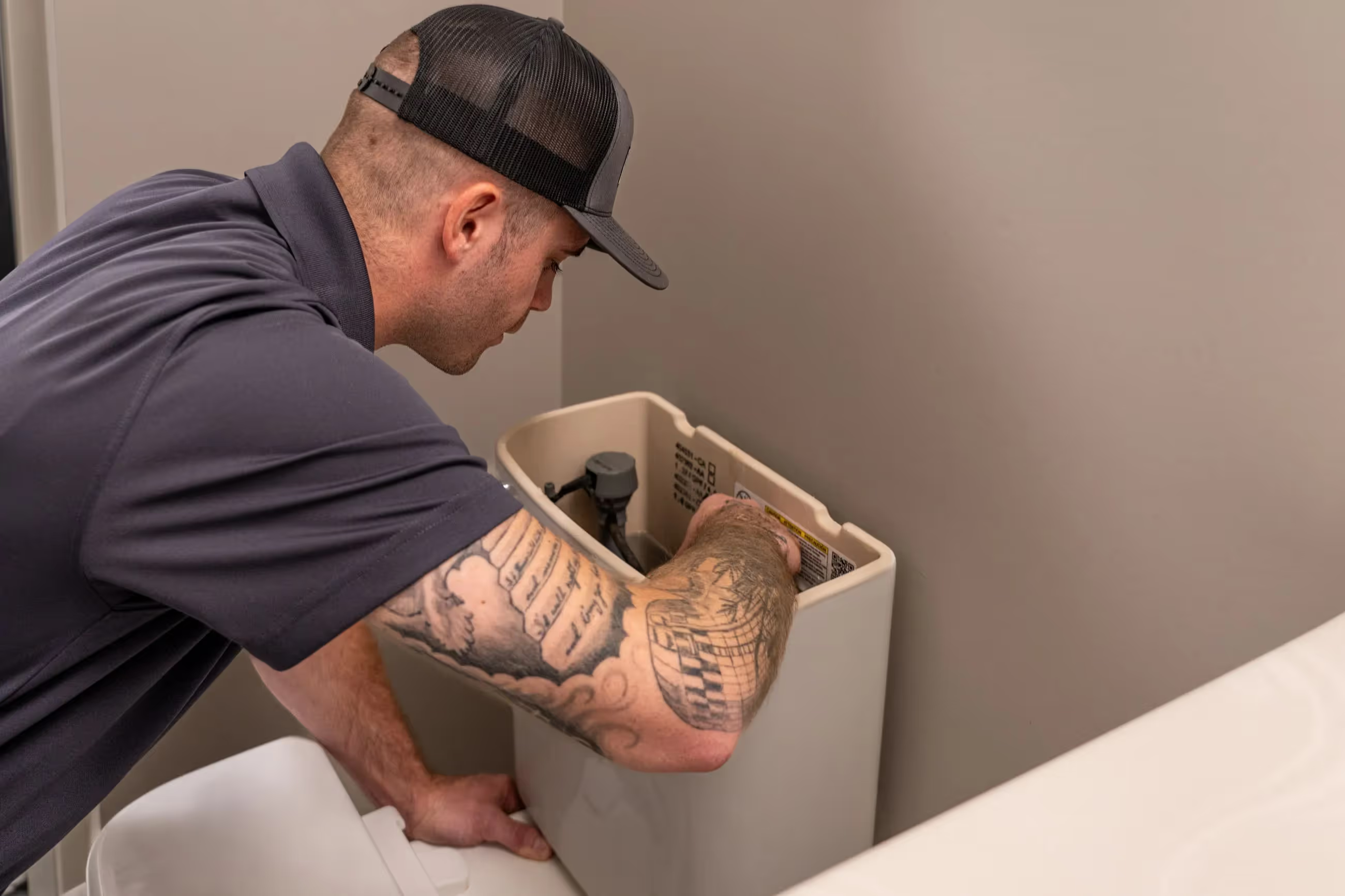
Let's be honest about something. We wrote this article because homeowners in Lakeville, Maple Grove, and across the Twin Cities search for phrases like "why is my toilet running constantly," "toilet keeps running," "how to fix a running toilet," and "toilet repair near me." That's how SEO works. You're looking for answers. We want to provide them and earn your business if you need a licensed plumber.
Quick Answer: Your toilet runs constantly because water continuously flows from the tank to the bowl. The three most common causes are a worn flapper, incorrect float height, or a faulty fill valve. You're wasting gallons of water and money until you fix it.
Your toilet tank refills itself after every flush. Water enters through the fill valve. It stops when the float reaches the right height. The flapper seals the opening between tank and bowl. When this system fails, water flows nonstop. According to Bailey Brothers, you're wasting gallons of water and creating higher bills. The toilet sounds like it just flushed, even though nobody touched it. You might hear constant trickling or hissing. These sounds mean money flowing down the drain.
A running toilet wastes serious water. The EPA reports that household leaks can waste 180 gallons per week, and a running toilet can waste about 200 gallons every day. Flushing already accounts for nearly a third of household water usage. A running toilet makes this worse. According to EPA WaterSense, toilets account for nearly 30 percent of an average home's indoor water consumption. Older toilets use up to six gallons per flush. When they run nonstop, the waste multiplies. Water damage from plumbing leaks is a common insurance claim. You might notice pooling water around the toilet base. The leak may signal sewage buildup or high water pressure. Home water pressure should be 40-60 psi. Anything higher causes excessive wear on pipes, fittings, and valves.
The flapper is a rubber seal inside your tank. It covers the flush valve opening. When you flush, the flapper lifts. Water rushes from tank to bowl. Then the flapper drops back down and seals. Over time, rubber deteriorates. Minerals from hard water cause calcification. The flapper gets stiff or warped. It no longer creates a watertight seal. As home repair experts explain, worn, dirty, or warped flappers allow constant leaking. You'll hear water trickling into the bowl. The tank refills every few minutes. This is the most common cause of running toilets.
The float controls water level in your tank. It tells the fill valve when to stop. Family Handyman notes that if the float sits too high, water spills into the overflow tube. The fill valve never shuts off. The toilet keeps running. If the float sits too low, you get weak flushes. The water level should stop about one inch below the overflow tube. Older toilets use a ball and brass rod. You bend the rod to adjust height. Newer toilets have a screw or clip you slide along a rod. Small adjustments make big differences.
The fill valve controls water flowing from your supply line into the tank. Home Depot explains that a leaky fill valve creates faint hissing or trickling sounds. You might see water flowing into the overflow tube even when the toilet hasn't been flushed. Sometimes tightening the valve fittings solves the problem. Often the valve itself is cracked or worn. Sediment and debris can lodge inside the valve. This happens after new installations or work on nearby water mains. The valve needs cleaning or replacement. If water continues filling despite lifting the float arm, your fill valve has failed.
The chain connects your flush handle to the flapper. DIY repair guides explain that chain length matters greatly. If the chain is too short, the flapper can't fully close. Water leaks continuously. If the chain is too long, it gets caught under the flapper. This prevents proper sealing. The chain might tangle or fall into the wrong position. You want roughly one inch of slack. Press the chain sideways. You should see about an inch of deflection. Too tight or too loose causes problems. Adjusting chain length is simple. You unhook it from the flush lever and reconnect at a different link.
Your toilet handle might stick in the down position. Plumbing experts report that corrosion or mineral buildup causes stiffness. When the handle stays down, the flapper stays open. Water runs until you physically lift the handle. The handle might squeak or feel stiff. Sometimes it won't spring back up after flushing. Handles are easy to replace. You can apply plumber's grease to moving parts after installation. This prevents future sticking. If the flush lever is corroded, symptoms include it remaining in the up position.
Remove the tank lid and look inside. Flush the toilet and watch what happens. Does the flapper drop straight down and seal completely? Does water stop flowing when it reaches the right level? Home Depot suggests you lift up on the fill valve arm. If the water stops, the fill valve needs adjustment. If water continues flowing, the valve needs replacement. Check the flapper chain for proper slack. Look for the fill level mark on the inside back of the tank. If you don't see one, measure down about one inch on the overflow tube and make a mark. The water should stop at this level. Pour a little food coloring in the tank. Wait 15 minutes without flushing. If color appears in the bowl, your flapper is leaking.
Many running toilet problems are DIY-friendly. Adjusting the float takes minutes. Replacing a flapper costs under $10 and requires no tools. Adjusting the chain is free and simple. You turn off the water at the shutoff valve behind the toilet. You flush to empty the tank. You make your adjustment. You turn the water back on and test. Family Handyman provides step-by-step instructions for common fixes. The hardest part is identifying which component failed. Once you know that, the fix is usually straightforward. However, selecting the right replacement parts matters. Some parts are universal. Many are specific to certain brands or models. If you're not confident about the diagnosis, call a professional. Making mistakes can be expensive to rectify.
Some situations require professional help. If you've replaced the flapper and adjusted the float but the toilet still runs, you might need a new flush valve. This requires removing the tank from the bowl. If you see water on the floor, turn off the water immediately. Check if water comes from the tank lid or lever area. You might need new tank bolts and washers. If the problem persists after trying multiple fixes, something deeper is wrong. Water conservation experts recommend professional diagnosis when DIY attempts fail. The issue might involve your home's water pressure. It could signal problems with your supply line. A licensed plumber can diagnose accurately the first time. They have the right tools and replacement parts. They can spot underlying issues that DIY attempts miss.
Professional toilet repair typically costs between $200 and $500 for running toilet issues. This investment ensures the problem gets fixed correctly the first time. It saves you from higher water bills. It prevents more significant water damage. The exact cost depends on which parts need replacement. A simple flapper replacement costs less than replacing the entire flush valve assembly. If your toilet needs the tank removed, labor costs increase. Emergency service costs more than scheduled appointments. However, the real expense is doing nothing. According to EPA statistics, a running toilet wasting 200 gallons daily can add significant costs to your water bill. Professional repair pays for itself quickly.
We're transparent about why this section exists. We created this content to rank for searches related to running toilets in Minnesota. If you're dealing with this problem and want professional help, we'd appreciate the chance to earn your business. First Class Plumbing serves Lakeville, Maple Grove, and the entire Twin Cities metro area. We're properly licensed by the State of Minnesota. Many competitors operate without proper licensing. That difference matters for your protection. Our emergency plumbing services are available when you need immediate help. We provide one-year warranties on parts and labor. If anything goes wrong with our work, we come back and fix it. No additional charge. We explain your options clearly. We present multiple solutions at different price points. We tell you what you don't need as clearly as what you do need. We never create artificial urgency. Our technicians are trained by master plumbers. We use quality materials. We treat your home with respect.
Regular maintenance prevents most toilet problems. Inspect your toilet components every six months. Look for signs of wear on the flapper. Check the chain for proper length. Listen for unusual sounds. Test the flush handle for smooth operation. Replace flappers every 3-5 years before they fail. Hard water accelerates wear. If you have hard water, consider water softener installation to protect all your plumbing fixtures. Clean the rim holes and siphon jet annually. Mineral buildup reduces flushing power. Pour vinegar into the overflow tube to dissolve deposits. Use a wire to clear clogged holes. Avoid chemical toilet cleaners that contain bleach. They deteriorate rubber components faster. If you're planning a bathroom remodel, consider upgrading to a newer, more efficient toilet. EPA WaterSense toilets use less water and have more reliable components.
Running toilets often signal other issues. If your toilet also flushes weakly, the rim holes might be clogged. If it gurgles when flushing, you might have a venting problem. If it clogs frequently, the trap might be partially blocked. Our toilet repair services address all these issues. We handle toilet installation for both new construction and replacements. We repair leaking fixtures. We fix low water pressure issues. We clear clogged drains. We inspect your entire plumbing system. We provide transparent pricing before starting work. We explain the problem in plain language. We answer your questions patiently. Our goal is helping you make informed decisions about your home's plumbing.
A toilet that runs constantly wastes water and money. The problem won't fix itself. It gets worse over time. The most common causes are worn flappers, incorrect float height, and faulty fill valves. Many homeowners can fix these problems themselves. Simple adjustments cost nothing. Basic parts cost under $20. However, proper diagnosis matters. Replacing the wrong part wastes time and money. If you're uncertain about the cause, professional help prevents expensive mistakes. The real question isn't whether to fix a running toilet. It's whether to fix it yourself or hire a licensed plumber. Either way, addressing it quickly saves money and prevents water damage. If you're in Lakeville, Maple Grove, or anywhere in the Twin Cities area and want professional help, call us at 763-220-3765. We'll diagnose the problem accurately and fix it right the first time.
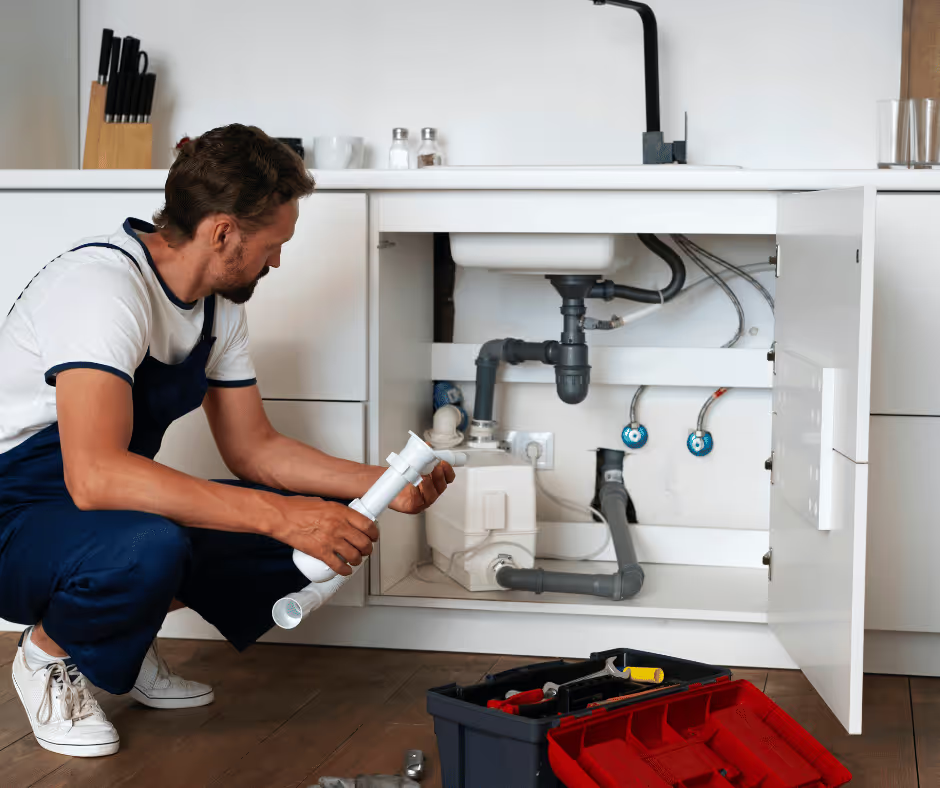
Use these tips to prevent water damage in your Scott County home.
Use these tips to avoid burst pipes.
Use these tips to make sure your home is ready to host people all summer.

Why do you need a trained, licensed plumber? We explain why it's essential.
Before you host guests, consider these Prior Lake plumbing tips.
Use these tips when selecting between PEX and copper pipes in Prior Lake, MN.