
Give us a call: 763-220-3765


If your Maple Grove home was built before 1960, there's a good chance you have galvanized steel pipes. These pipes were the standard for residential plumbing for decades, but they have a serious problem: they corrode from the inside out.
At First Class Plumbing, we regularly work with Maple Grove homeowners who are facing galvanized pipe issues. Some don't even realize they have galvanized pipes until problems start appearing—reduced water pressure, discolored water, or leaks. By the time these symptoms show up, the pipes are often significantly deteriorated.
We created this comprehensive guide to help Maple Grove homeowners understand galvanized pipes, recognize when they need replacement, and make informed decisions about their home's plumbing system.
Galvanized pipes are steel pipes coated with a layer of zinc to protect against corrosion. When they were introduced, they represented a significant improvement over lead pipes and were considered a safe, durable plumbing solution.
The galvanization process involves dipping steel pipes in molten zinc, creating a protective coating. This coating was intended to prevent rust and extend the pipe's lifespan. For the first few decades, galvanized pipes perform reasonably well.
From the 1930s through the 1960s, galvanized steel pipes were the standard for residential water supply lines. They were affordable, strong, and seemed to solve the problems associated with earlier plumbing materials.
Many Maple Grove homes from this era still have their original galvanized pipes. If your home was built during this period and hasn't had plumbing updates, you almost certainly have galvanized water lines.
By the 1960s, copper pipes began replacing galvanized steel as the preferred plumbing material. Copper doesn't corrode like steel, lasts much longer, and doesn't have the same issues with deterioration.
Today, PEX (cross-linked polyethylene) piping has become popular for water lines due to its flexibility, affordability, and resistance to corrosion and freezing. At First Class Plumbing, we primarily use PEX for water line replacements in Maple Grove homes.
The fundamental problem with galvanized pipes is that they corrode from the inside. Even with the protective zinc coating, moisture inside the pipes gradually breaks down the steel underneath.
This internal corrosion isn't visible from the outside. Your pipes might look fine externally while being severely compromised on the inside. The corrosion creates rough, uneven surfaces that catch minerals and debris, accelerating buildup.
Over time, this corrosion and buildup significantly narrows the interior diameter of your pipes. A pipe that started as half-inch might be reduced to a quarter-inch or less in effective diameter, drastically reducing water flow.
Most galvanized pipes have a lifespan of 40-70 years, depending on water quality and usage patterns. However, some fail much sooner, and relying on your pipes lasting the full expected lifespan is risky.
If your Maple Grove home was built in 1960 and still has original galvanized pipes, those pipes are over 60 years old—well past their expected service life. Even homes from the 1970s that had late galvanized installations are approaching the end of pipe lifespan.
The quality of your water supply affects how quickly galvanized pipes deteriorate. Acidic water accelerates corrosion, while hard water (common in Maple Grove) contributes to mineral buildup inside pipes.
The combination of internal corrosion and mineral deposits creates a cascade of problems that progressively worsens over time.
The most common symptom of failing galvanized pipes is reduced water pressure. If you've noticed your showers don't have the pressure they used to, or filling your bathtub takes much longer than it should, corroded galvanized pipes might be the culprit.
This reduced pressure happens because the interior of your pipes has narrowed due to corrosion and mineral buildup. Water has to squeeze through much smaller openings, reducing flow and pressure.
If water pressure is low throughout your entire Maple Grove home—not just at one fixture—your supply lines are likely compromised. This is distinct from pressure issues caused by a single clogged aerator or failing fixture.
When you first turn on your faucet, especially if it hasn't been used recently, does the water come out brown or rust-colored? This discoloration is rust from corroding galvanized pipes.
While the water usually clears after running for a moment, this discoloration indicates significant internal corrosion. The rust particles you're seeing are pieces of your pipes flaking off and flowing through your water supply.
Beyond being unappealing, this rust can stain fixtures, laundry, and dishware. More concerning, you're essentially drinking or bathing in water contaminated with rust and potentially other materials from deteriorating pipes.
In advanced stages of corrosion, galvanized pipes develop leaks. You might notice water stains on walls or ceilings, damp spots on floors, or actual dripping from visible pipes in basements or crawl spaces.
These leaks occur when corrosion eats completely through the pipe wall. Once galvanized pipes reach this stage, they're compromised throughout your system, not just at the leak location.
Patching one leak doesn't solve the underlying problem. If your galvanized pipes are corroded enough to leak in one spot, they're likely near failure in many locations.
If you find yourself calling plumbers frequently for various water line issues, your galvanized pipes might be the common denominator. Recurring problems with fixtures, valves, or connections often trace back to deteriorating supply lines.
The corrosion in galvanized pipes doesn't just affect flow—it creates uneven pressure, contaminates water with particulates, and stresses connections and fixtures throughout your plumbing system.
Many Maple Grove homes with galvanized pipes also have older fixtures that contain lead. Before regulations banned lead in plumbing fixtures, it was commonly used in faucets, valves, and pipe joints.
While galvanized pipes themselves don't contain lead, homes from the era when galvanized pipes were standard often have lead elsewhere in the plumbing system. This creates additional health concerns beyond the galvanized pipe issues.
When selling your Maple Grove home, inspectors often identify galvanized pipes as a concern. In many cases, they'll also identify lead-containing fixtures that need replacement to meet current safety standards.
These code violations can complicate real estate transactions. Buyers might request pipe replacement as a condition of sale, or they might use the needed updates to negotiate a lower purchase price.
Many of our clients at First Class Plumbing contact us specifically because a home inspection revealed galvanized pipes, and they need to address the issue to complete their home sale.
Lead exposure, even at low levels, poses health risks, particularly for children and pregnant women. If you have galvanized pipes and older fixtures in your Maple Grove home, having your water tested for lead is wise.
Even if your galvanized pipes don't contain lead directly, the corrosion inside the pipes can disturb lead particles from older fixtures or joints, introducing them into your water supply.
The proper solution for failing galvanized pipes is complete replacement of your water supply lines. While this sounds daunting, it's often more straightforward than homeowners expect.
At First Class Plumbing, we typically replace galvanized pipes with PEX piping. PEX is flexible, durable, corrosion-resistant, and cost-effective. The flexibility of PEX often allows us to fish new lines through walls with minimal cutting, reducing the invasiveness of the project.
A whole-house repipe typically takes 1-3 days, depending on your home's size and layout. We work efficiently to minimize disruption, and your water service will only be off during active work periods.
The process involves:
Whole-house repiping is a significant investment, typically ranging from several thousand to ten thousand dollars or more, depending on your home's size and complexity.
While this isn't a small expense, consider the alternative: ongoing repairs, water damage from leaks, potential health issues from contaminated water, and decreased home value. When viewed as a long-term investment in your Maple Grove home, repiping often makes financial sense.
Many homeowners find that repiping actually increases their home's value, making it easier to sell and potentially commanding a higher price by eliminating a major concern for buyers.
PEX piping has become the standard for residential water line replacements, and for good reason:
Corrosion Resistance: PEX won't rust or corrode, eliminating the primary problem with galvanized pipes.
Freeze Resistance: PEX can expand slightly if water freezes inside it, making it more resistant to bursting—important in Minnesota's harsh winters.
Flexibility: PEX's flexibility allows for easier installation through existing walls, often reducing the need for extensive wall removal.
Cost-Effective: PEX material and installation costs are generally lower than copper while providing comparable or superior performance.
Longevity: PEX is expected to last 50+ years, giving you decades of trouble-free service.
PEX's flexibility and connection methods allow for faster installation than rigid pipe materials. This means less time with your water shut off and less disruption to your household during the replacement project.
At First Class Plumbing, our experience with PEX installations allows us to complete most whole-house repipes efficiently, minimizing the inconvenience to your family.
When we replace your galvanized pipes with PEX, you get our one-year installation warranty covering workmanship and materials. You also benefit from manufacturer warranties on the PEX materials themselves.
This combination of warranties gives you peace of mind that your investment is protected and your new plumbing system will serve you reliably for decades.
When a galvanized pipe develops a leak, it's tempting to just repair that specific leak and hope the rest of the system holds up. Unfortunately, this approach rarely works out well.
If one section of your galvanized pipes has corroded enough to leak, the entire system is likely in similar condition. Repairing one leak doesn't address the corrosion throughout your pipes—it just postpones the inevitable.
We often see homeowners spend hundreds or thousands on repeated repairs to galvanized pipes over several years, eventually spending more than a complete replacement would have cost while enduring ongoing problems and stress.
Each individual repair to galvanized pipes seems affordable compared to whole-house repiping. However, the cumulative cost of repeated repairs, combined with water damage from leaks and the ongoing water quality and pressure issues, makes partial repairs the more expensive option long-term.
Additionally, each repair typically requires cutting into walls or accessing pipes, creating property damage that needs repair. When you eventually do repipe, you've paid for damage repair multiple times instead of once.
In some situations, replacing only the most severely affected sections makes sense as a temporary measure while you prepare financially for complete repiping.
This approach works best when:
At First Class Plumbing, we'll give you honest advice about whether partial replacement makes sense for your situation or if complete repiping is the better value.
The best time to replace galvanized pipes is before they fail catastrophically. Proactive replacement allows you to:
If you know you have galvanized pipes in your Maple Grove home, start planning for replacement even if you're not experiencing severe symptoms yet.
Many homeowners hesitate on necessary repiping due to cost concerns. First Class Plumbing can discuss financing options that make this essential improvement more manageable for your budget.
Additionally, consider that avoiding water damage from failing pipes often saves more than the cost of proactive replacement. One major leak can cause thousands in damage—preventing that damage is valuable.
If you're planning to sell your Maple Grove home in the next few years, replacing galvanized pipes before listing can be a smart investment. Homes with updated plumbing sell faster and often command higher prices.
Buyers are increasingly savvy about galvanized pipe issues, and many will either avoid homes with old pipes or negotiate aggressively on price. Proactively addressing the issue removes this objection and makes your home more competitive.
If you're unsure about the condition of your galvanized pipes, First Class Plumbing can perform a comprehensive assessment. We'll examine visible pipes, test water pressure at multiple locations, and provide an honest evaluation of your system's condition.
This assessment helps you understand the urgency of replacement and plan accordingly. We won't pressure you into unnecessary work, but we will give you the information you need to make informed decisions.
In some cases, we can use specialized camera equipment to inspect the interior of pipes, showing you exactly what condition they're in. This visual evidence helps you understand the extent of corrosion and buildup.
Seeing the inside of your pipes often makes the need for replacement clear and helps you feel confident about investing in this important home improvement.
If you're concerned about lead or other contaminants in your water due to old galvanized pipes, water testing provides definitive information. While First Class Plumbing focuses on the plumbing system itself, we can recommend testing services and interpret results as they relate to your plumbing.
When you choose First Class Plumbing for galvanized pipe replacement in your Maple Grove home, you work with licensed professionals who take pride in quality workmanship.
We start by thoroughly assessing your home's plumbing system and discussing your concerns and priorities. We then develop a customized plan for your specific situation, explaining exactly what we'll do and why.
Throughout the project, we communicate clearly about our progress and any issues we discover. We treat your home with respect, protecting floors and furnishings, and cleaning up thoroughly each day.
We provide detailed, written estimates that break down material and labor costs. You'll know exactly what you're paying for, with no surprise charges or hidden fees.
If we discover additional issues during the project, we discuss them with you before proceeding with any work beyond the original scope. You make informed decisions about your home and your budget.
We understand that repiping projects disrupt your household. We work efficiently to complete the project as quickly as possible without compromising quality.
We coordinate with you to schedule work around your family's needs and restore water service at the end of each workday whenever possible. Our goal is to make a necessary but inconvenient project as painless as we can.
Galvanized pipes are a ticking time bomb in your Maple Grove home. The question isn't if they'll fail—it's when. Taking proactive action puts you in control rather than letting your pipes dictate the timeline with an emergency failure.
First Class Plumbing is here to help you understand your options, plan for replacement, and complete the work with minimal disruption to your life. We serve Maple Grove families with professional, honest plumbing services.
Don't wait until you're dealing with water damage, emergency repairs, or complications with a home sale. Contact First Class Plumbing today to schedule an assessment of your home's plumbing system.
We'll give you honest answers about your galvanized pipes and help you plan for the reliable, safe plumbing your family deserves.

When a plumbing disaster occurs in Prior Lake, follow these key steps.
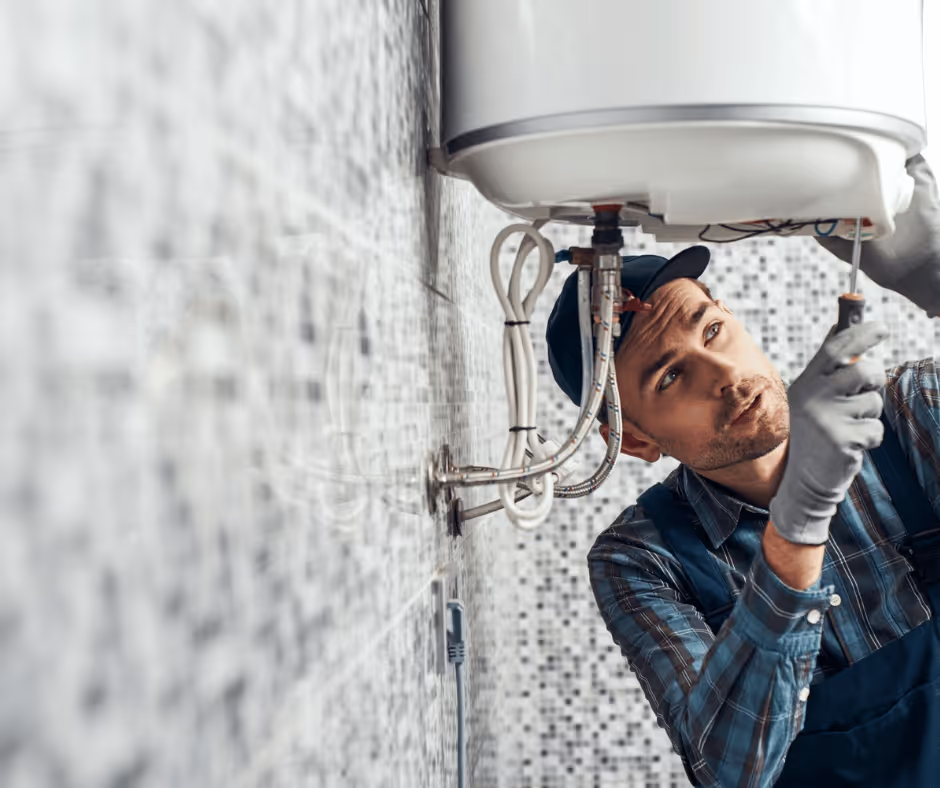
Before listing your Prior Lake home, learn why it's essential to book a plumbing inspection.

Use this checklist to ensure you're performing the right plumbing tasks at your Prior Lake, MN home.
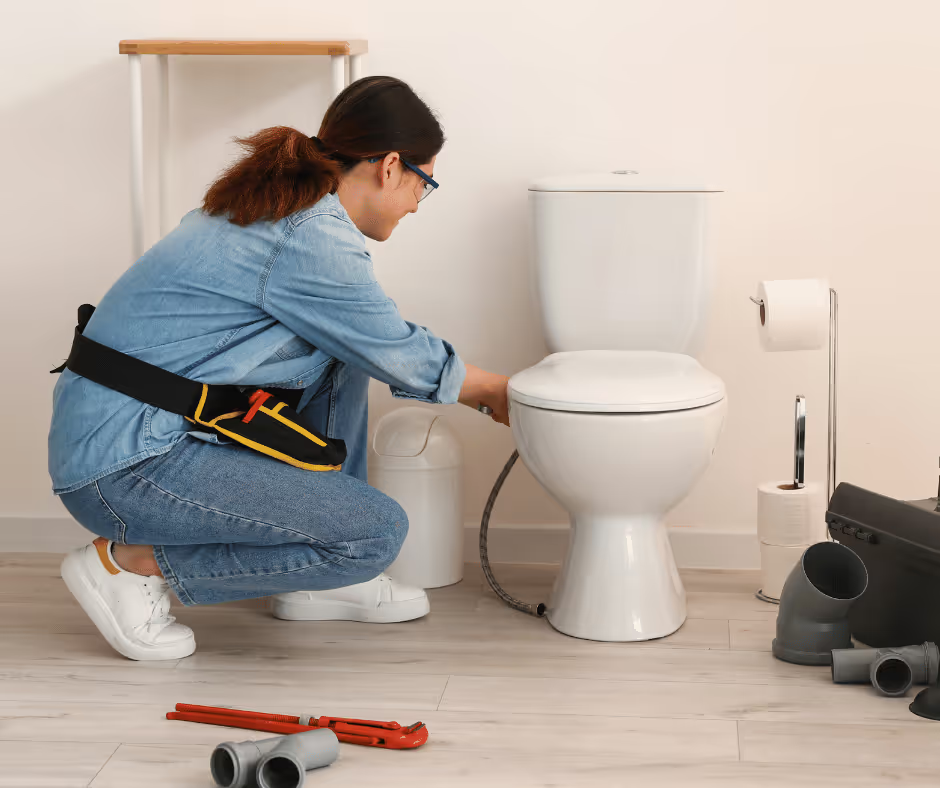
When replacing your toilet, consider the tips from our pros.
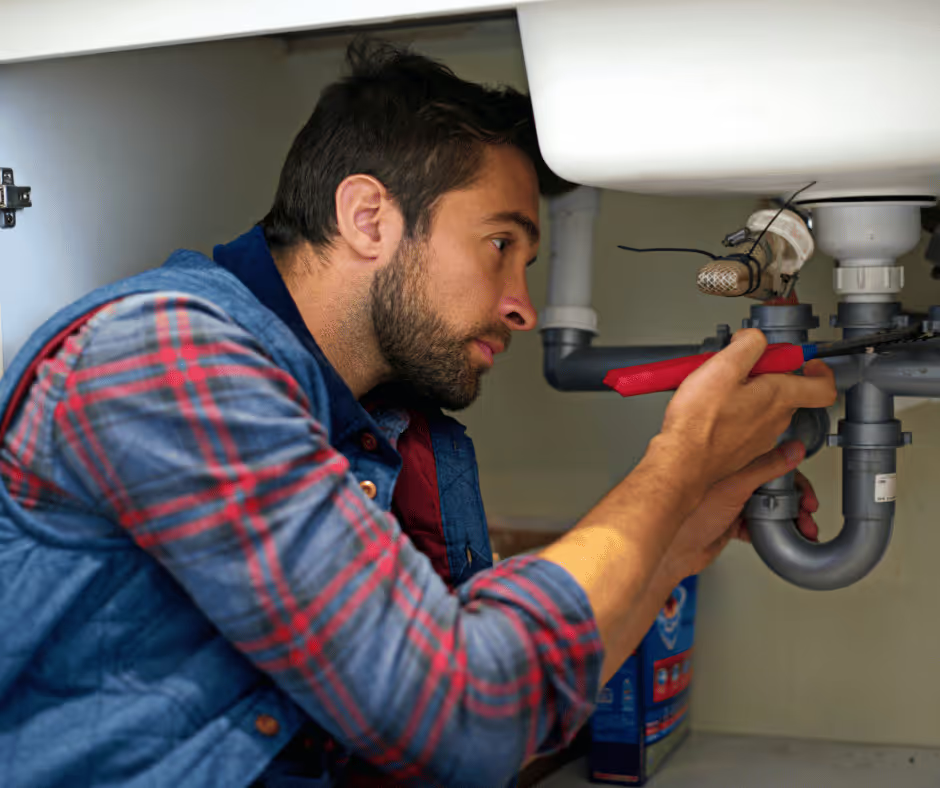
Choose the right Prior Lake, MN, plumber for your bathroom renovation.

Use these tips to ensure your Prior Lake well water is safe.