
Give us a call: 763-220-3765


TLDR: A running toilet typically has one of three problems: a worn flapper that won't seal, a chain that's too long or tangled, or a float that's set too high. Check the flapper first by turning off the water and feeling if it's stiff or slimy. Adjust the chain to have about half an inch of slack. Lower the float if water spills into the overflow tube. Most homeowners can fix this in 15 minutes, but call First Class Plumbing at 763-220-3765 if you need professional help.
Let's be transparent about this blog post. We wrote it to rank for searches like "how to fix a running toilet," "toilet keeps running," "toilet repair," and "plumber near me Maple Grove." That's how SEO works. We're a licensed plumbing company in Maple Grove serving Plymouth, Minnetonka, and throughout the Northwest Metro. We need homeowners searching for toilet help to find us. But this isn't just about ranking. We genuinely want to help you fix this problem because a running toilet wastes up to 200 gallons of water per day. That hits your wallet hard.
Your toilet keeps running because water keeps leaking from the tank into the bowl. The fill valve senses the dropping water level and turns on to refill the tank. This cycle repeats endlessly. According to Family Handyman, about 70% of running toilet problems trace back to a bad flapper. That's your rubber seal at the bottom of the tank. When it fails, water trickles through constantly.
Three main culprits cause this problem. First is the flapper itself. The rubber breaks down over time, especially if you use chlorine tablets in the tank. Second is the chain connecting the flush handle to the flapper. If it's too long, it gets tangled under the flapper and prevents a proper seal. If it's too short, the flapper can't close completely. Third is the float mechanism that controls water level. When set too high, water spills into the overflow tube and the toilet never stops filling.
Remove the tank lid and look inside. The flapper is the rubber disk covering the large opening at the bottom. Roto-Rooter recommends reaching into the tank water and feeling the flapper. It should be soft and pliable. If it feels stiff, brittle, or leaves a black slimy residue on your fingers, replace it. A worn flapper won't create the seal needed to stop water from leaking into the bowl.
You can also perform a simple test. Turn off the water supply at the wall valve. Flush the toilet to drain the tank completely. Mark the water level with a pencil. Wait 15 minutes. If the water level drops below your mark, you have a leak. Korky explains that the water will stop dropping at the level of the leak. If it stops right below the flapper, that's your problem area.
Most modern toilets use a 2-inch flapper. Some newer models use a 3-inch flapper for a more powerful flush. The Home Depot suggests taking a photo of your tank's internal parts before heading to the hardware store. Universal flappers work for many toilets, but getting an exact match ensures a proper seal. Flappers cost between $5 and $15 and last about five years with normal use.
Turn off the water supply valve behind the toilet. Flush to empty the tank. You don't need to remove all the water. Disconnect the chain from the flush lever. Most flappers clip onto two posts on either side of the overflow tube in the tank's center. Unhook the old flapper from these posts. Before installing the new one, wipe the flush valve seat clean with a paper towel. Check for rough spots or mineral deposits. Sand lightly if needed.
Attach the new flapper to the overflow tube posts. Connect the chain to the flush lever arm. The chain should have about half an inch of slack when the flapper is closed. Too much slack and it gets tangled. Too little and the flapper won't seal. Turn the water back on and test flush several times. Watch to ensure the flapper drops straight down and seals completely. Our licensed plumbers in Plymouth and throughout the Northwest Metro handle hundreds of toilet repairs each year and can replace a flapper in about 10 minutes if you'd rather have a professional handle it.
Look inside your tank while flushing. Watch how the chain lifts the flapper. The chain connects the flush lever to the flapper. When you press the handle, the lever pulls the chain, which lifts the flapper and allows water to rush into the bowl. Bob Oates Plumbing notes that chain problems are extremely common and often require no parts or tools to fix.
The chain needs proper slack. With the flapper closed, you should see about half an inch to one inch of slack in the chain. If there's more, unhook the chain from the flush lever and reattach it a few links shorter. Trim excess chain with pliers to prevent tangling. If the chain is too short and holds the flapper open slightly, you'll need a longer chain from the hardware store. Most chains cost under $5.
Yes. A chain that's too long can slip under the flapper when it closes. This prevents a complete seal. The chain can also get caught on the float ball in older toilets with ball-style floats. Watch your toilet flush several times. If the handle needs jiggling to stop the running, the chain is likely catching on something. Adjust the chain length or bend the float arm slightly to create clearance. These simple adjustments save water and money on your utility bills.
The water level should sit about one inch below the top of the overflow tube. That's the vertical pipe in the center of your tank. If water spills over this tube, your toilet will run continuously. The float controls when the fill valve shuts off. As the tank fills, the float rises. When it reaches the set height, it signals the fill valve to stop.
American Home Shield explains that older toilets use a ball float on an arm. Newer toilets have a cylindrical float that slides up and down the fill valve. For ball floats, bend the metal arm downward to lower the water level. You can also turn the adjustment screw at the top where the arm connects to the valve. For cylinder floats, look for a clip or screw on the adjustment rod and slide the float down.
Call a licensed plumber if you've checked the flapper, adjusted the chain, and lowered the float, but your toilet still runs. The fill valve itself might be faulty. Replacing a fill valve requires removing the water supply line and working inside the tank. While DIY-friendly, many homeowners prefer professional installation. A bad flush valve seal can also cause running toilets. This requires removing the entire toilet tank to access the seal between the tank and bowl.
First Class Plumbing serves homeowners throughout Maple Grove, Brooklyn Park, Minnetonka, and the entire Northwest Metro area. Call us at 763-220-3765 for same-day service. We're licensed, insured, and available when you need help fast. Our technicians carry replacement flappers, fill valves, and other toilet parts on their trucks. We can diagnose and fix running toilets quickly, usually in one visit. Many homeowners in Golden Valley and surrounding communities choose our professional plumbing services because we explain the problem clearly and give you options before starting work.
A running toilet wastes between 30 and 200 gallons per day, depending on the severity of the leak. That's between 900 and 6,000 gallons per month. According to the EPA's WaterSense program, fixing leaky toilets can save the average family up to 10% on their water bills. At current Twin Cities water rates, a badly running toilet could cost you an extra $50 to $100 monthly.
The financial impact hits harder during winter months when many Minneapolis and Maple Grove homeowners face frozen pipes and other plumbing challenges. Every dollar spent on wasted water is a dollar you could use elsewhere. That's why we emphasize quick repairs for running toilets. The fix takes 15 minutes in most cases, but ignoring it costs money every single day.
Replace your flapper every five years as preventive maintenance. Chlorine tablets destroy rubber flappers quickly, so avoid putting them in your tank. Use in-bowl cleaners instead. Check your chain periodically to ensure it hasn't become tangled. Listen for your toilet. If you hear it refill randomly when nobody has flushed, investigate immediately. That's called ghost flushing, and it means water is leaking from your tank.
Schedule annual plumbing maintenance inspections for your home. Our technicians check all your fixtures, including toilets, during these visits. We catch small problems before they become expensive emergencies. Regular maintenance extends the life of your plumbing and prevents surprise breakdowns. Homeowners in Blaine, Coon Rapids, and throughout the North Metro appreciate the peace of mind that comes with professional inspections.
We're properly licensed plumbers serving the Twin Cities Northwest Metro. That matters because many plumbing companies in this area operate without proper licensing. Licensed plumbers have passed rigorous testing and maintain insurance to protect your home. We've helped thousands of homeowners with toilet repairs, water heater problems, and complete plumbing installations.
We show up on time, give you honest pricing before starting work, and clean up when we're done. Our trucks carry extensive parts inventory so we can complete most repairs in one visit. Whether you need emergency service or scheduled maintenance, we treat your home with respect and solve your plumbing problems right the first time.
Yes, we wrote this content to rank for search terms like "plumber near me," "toilet repair Maple Grove," and "fix running toilet Twin Cities." But we also wrote it to actually help you. If this guide solved your running toilet problem, great. You saved money and fixed it yourself. If you still need help, call First Class Plumbing at 763-220-3765. We're here to serve homeowners throughout the Northwest Metro with honest, professional plumbing services.
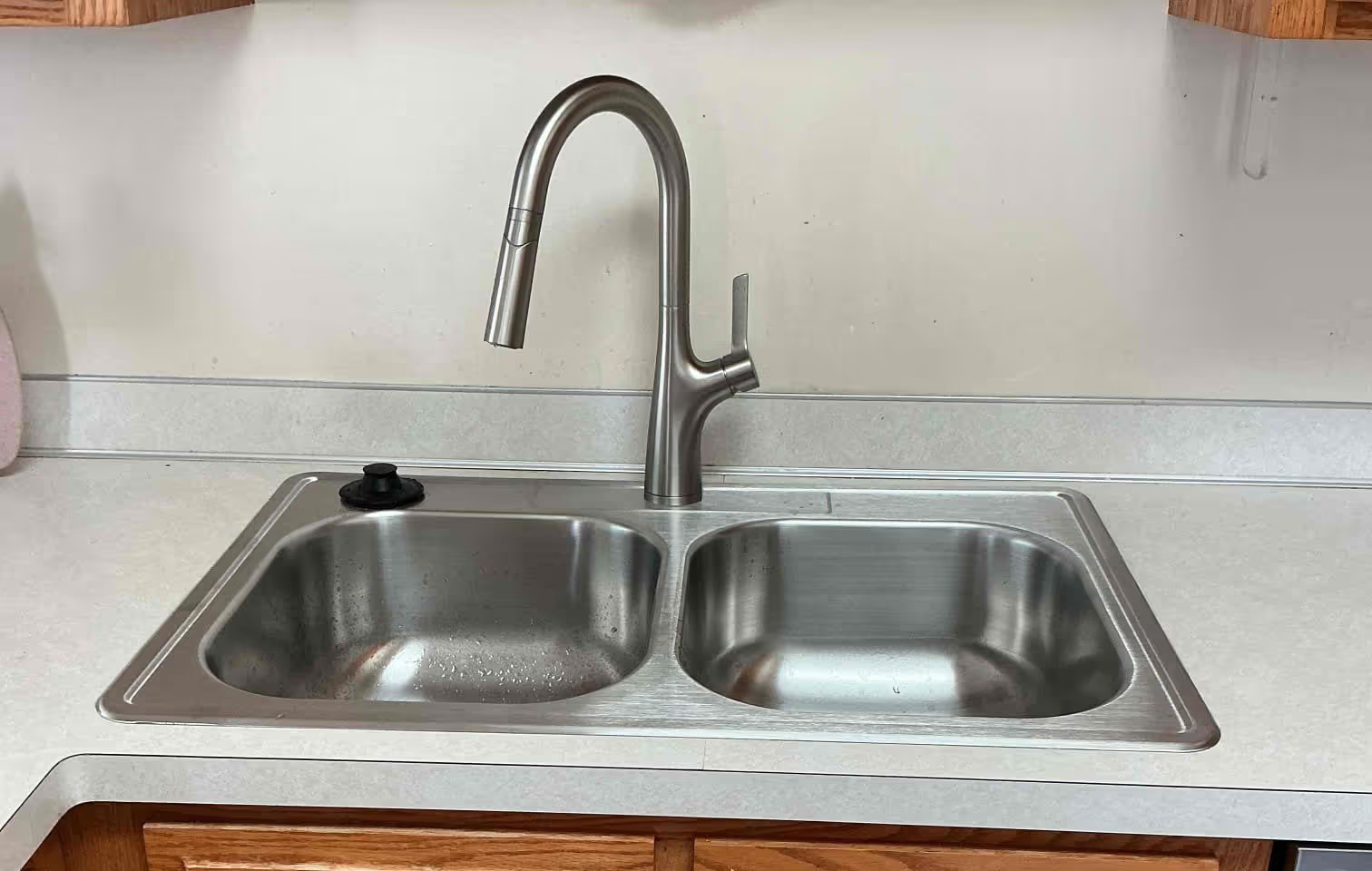
A homeowner on Yew Point in Eagan wanted to replace an outdated, malfunctioning kitchen faucet with a hassle-free upgrade. Here's exactly how our licensed plumbing team removed the old setup, inspected every connection, installed the new sink and faucet, and tested everything before driving away.
What we check during a whole-home plumbing inspection in Maple Grove, why it comes free with every service call, and the small problems we catch before they cost you thousands.
Chlorine, sodium, and what your softener does to drinking water. A Maple Grove plumber explains when to add reverse osmosis filtration to your city water.
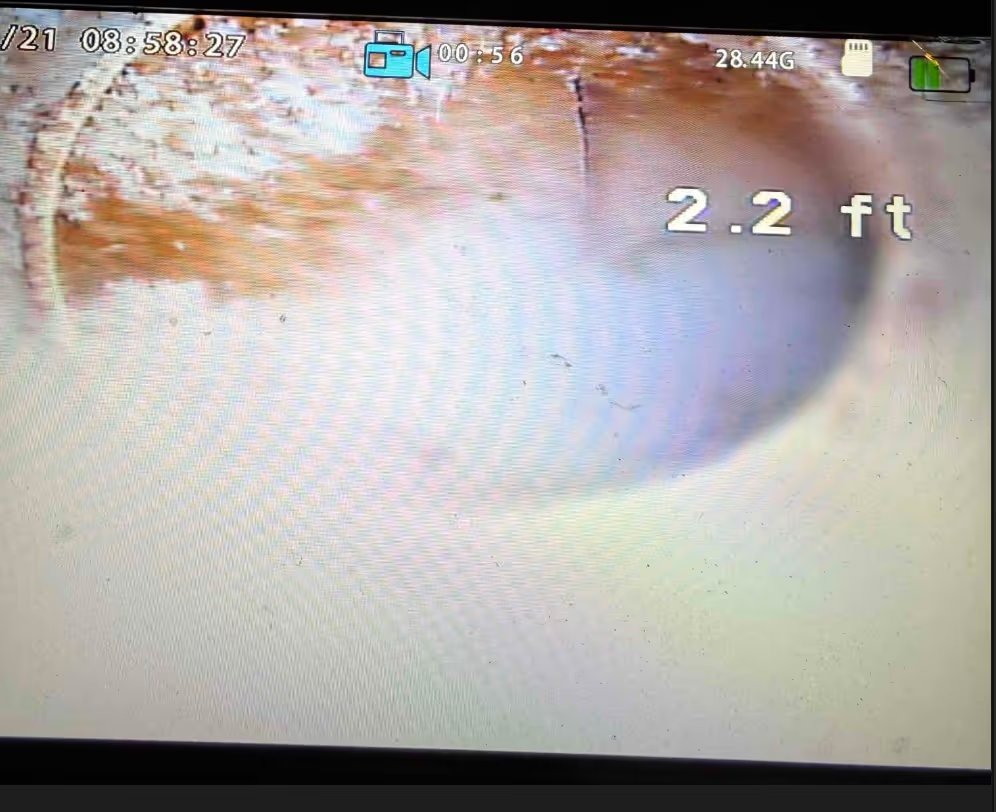
Pre-purchase sewer camera inspection in Eden Prairie, MN. 118 feet documented, line cleared to close.

Kitchen, bath, and gas line install in Saint Michael, MN. Passed city inspection same day (3:25 PM).
3/4 bathroom fixture set install in Maple Grove, MN. New faucet, shower trim, and toilet, all tested.