
Give us a call: 763-220-3765

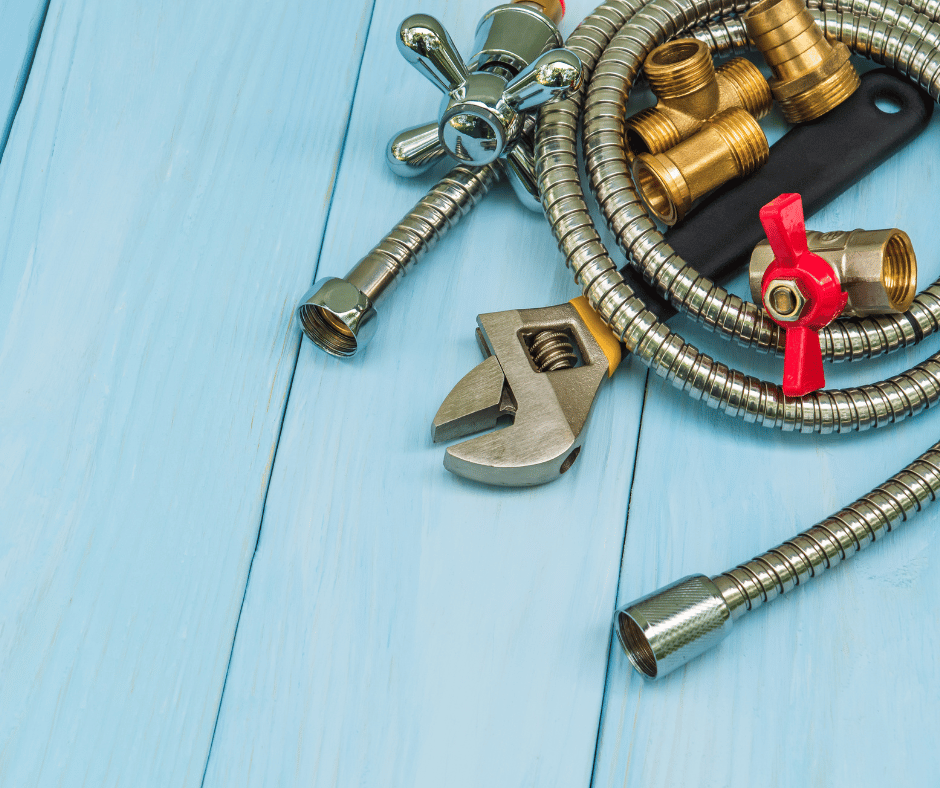
Gas line work in your Plymouth, Minnesota home requires licensed expertise and careful attention to safety. Natural gas powers essential appliances in Plymouth homes—furnaces, water heaters, stoves, dryers, and fireplaces—but improperly installed or damaged gas lines create serious safety hazards. First Class Plumbing provides professional gas line installation and repair throughout Plymouth and the Northwest Metro. Here's everything Plymouth homeowners need to know about gas lines, safety, and when to call professional help.
Most Plymouth homes receive natural gas service from CenterPoint Energy. Natural gas is an efficient, economical fuel for heating and appliances, but it's also potentially dangerous if gas lines develop problems.
Meter and main shut-off: Gas enters your Plymouth home through the meter (typically outside) with a main shut-off valve.
Interior piping: Gas lines distribute throughout your Plymouth home, carrying gas to each appliance.
Appliance shut-offs: Each gas appliance in your Plymouth home should have its own shut-off valve for servicing.
Ventilation: Gas appliances require proper ventilation, removing combustion byproducts from your Plymouth home.
Natural gas characteristics:
We provide comprehensive gas line services for Plymouth residents:
Plymouth homeowners often need new gas lines for:
Kitchen remodels: Installing gas ranges or cooktops in Plymouth kitchens previously using electric
Outdoor kitchens: Adding gas lines for Plymouth outdoor grills, pizza ovens, or patio heaters
Fireplaces: Installing gas fireplaces in Plymouth living areas or bedrooms
Tankless water heaters: These high-efficiency units often require larger gas lines than standard water heaters in Plymouth homes
Gas dryers: Converting Plymouth laundry rooms from electric to gas dryers
Generators: Whole-house backup generators for Plymouth homes typically use natural gas
Pool heaters: Gas heating for Plymouth pools and spas
New construction: Complete gas line systems for new Plymouth homes or additions
Plymouth homes sometimes need gas line repairs due to:
Corrosion: Older gas lines in Plymouth homes can corrode, especially in damp conditions
Physical damage: Construction, digging, or accidental impact can damage Plymouth gas lines
Earthquake or settling damage: While rare in Plymouth, extreme conditions can stress gas lines
Deteriorated fittings: Connections and fittings in aging Plymouth gas lines can fail
Failed flex connectors: Flexible gas connectors to appliances have limited lifespans
When Plymouth homeowners add appliances or upgrade existing ones, gas line capacity sometimes needs improvement:
High-demand appliances: Tankless water heaters and large ranges may exceed Plymouth home's existing gas line capacity
Multiple appliances: Adding appliances sometimes overloads Plymouth gas distribution systems
Pressure problems: Inadequate gas pressure in Plymouth homes causes appliance malfunction
Correcting undersized lines: Some Plymouth homes have undersized gas lines from original construction
After repairs or new installations, pressure testing ensures gas line integrity in Plymouth homes:
Testing requirements: Minnesota code requires pressure testing after gas line work
How testing works: We pressurize Plymouth gas lines and monitor for pressure drops indicating leaks
Safety assurance: Testing confirms gas lines are safe before restoring service to Plymouth homes
Professional gas appliance connections include:
Water heaters: Connecting gas supply to Plymouth water heaters with proper shutoffs and venting
Furnaces and boilers: Gas connections following manufacturer specifications for Plymouth heating systems
Ranges and cooktops: Kitchen gas appliance connections in Plymouth homes
Dryers: Laundry room gas connections with proper shutoffs
Fireplaces: Decorative and heating fireplaces throughout Plymouth homes
Natural gas safety is critical for every Plymouth home:
Know the warning signs of gas leaks in your Plymouth home:
Smell: Distinctive "rotten egg" or sulfur odor is the primary indicator. If you smell gas in your Plymouth home, take it seriously.
Sound: Hissing or whistling near gas lines or appliances in your Plymouth home
Visual signs:
Physical symptoms: Gas exposure causes headaches, dizziness, nausea, fatigue, or breathing difficulties in Plymouth residents
Immediate actions:
Once outside and safe:
After gas company clears safety:
Only return to your Plymouth home when emergency responders and the gas company confirm it's safe.
Annual inspections: Have gas appliances and lines inspected annually by qualified Plymouth plumbers or HVAC technicians
Replace flexible connectors: Flexible gas connectors to appliances have 10-15 year lifespans; replace proactively in Plymouth homes
Protect lines during projects: Before digging in your Plymouth yard, call 811 (Gopher State One Call) to mark underground utilities including gas lines
Install carbon monoxide detectors: Every Plymouth home needs working CO detectors on each level and near sleeping areas
Proper ventilation: Ensure gas appliances in your Plymouth home have proper ventilation—never block vents
Professional repairs only: Never attempt DIY gas line repairs in your Plymouth home—only licensed professionals should work on gas systems
When First Class Plumbing installs gas lines in your Plymouth home:
Determine requirements:
Calculate sizing:
Gas line work in Plymouth requires permits:
Gas line installation includes:
Pipe selection: We typically use black iron pipe for exposed gas lines in Plymouth homes and CSST (Corrugated Stainless Steel Tubing) where appropriate
Routing: Carefully route gas lines through Plymouth homes, protecting pipes and maintaining accessibility
Support and protection: Properly support gas lines and protect from damage
Connections: Use appropriate fittings, ensuring gas-tight connections
Shutoff valves: Install shutoffs at appliances and strategic locations in Plymouth homes
Testing: Pressure test all new gas lines before activation
Labeling: Properly label gas shutoffs in your Plymouth home
Schedule required inspections:
Connect gas appliance:
Different materials serve different purposes in Plymouth gas line systems:
Traditional gas piping for Plymouth homes:
Advantages:
Disadvantages:
Best for: Main gas distribution in Plymouth homes, exposed locations, areas needing protection
Flexible gas piping increasingly popular in Plymouth:
Advantages:
Disadvantages:
Best for: New construction or remodels in Plymouth homes, long runs, tight spaces
Less common for gas, but approved in some applications:
Only Type L copper approved for gas in Minnesota
Generally not our first choice for Plymouth home gas lines due to cost and other materials' advantages
Short connectors from gas lines to appliances:
For appliance connections in Plymouth homes:
Proper sizing ensures adequate gas supply to all Plymouth appliances:
BTU demand: Total BTU requirements of all appliances on gas line in your Plymouth home
Pipe length: Longer runs require larger diameter pipe to overcome friction losses
Number of appliances: More appliances increase total demand on Plymouth gas systems
Pressure available: Gas pressure entering your Plymouth home affects sizing calculations
Future expansion: Many Plymouth homeowners want capacity for future appliances
Undersized lines: Some Plymouth homes have undersized gas lines, causing:
Professional sizing prevents these problems in your Plymouth home
When Plymouth gas lines need repair, we provide safe, code-compliant solutions:
Leaking fittings: Connections can develop leaks in Plymouth gas systems over time
Corroded pipes: Especially in damp Plymouth basements or crawl spaces
Damaged pipes: From accidents, renovations, or external factors
Failed flexible connectors: Age-related deterioration of appliance connectors
Undersized lines: Inadequate capacity causing appliance problems
Gas line work requires special expertise—here's why Plymouth residents trust us:
Licensed professionals: Our plumbers hold proper licenses for gas line work in Plymouth
Safety focused: We prioritize safety above all in gas line installations and repairs
Code compliant: All work meets Minnesota plumbing code requirements
Proper permitting: We handle all permitting and inspections for Plymouth gas line projects
Quality materials: We use approved materials appropriate for each Plymouth application
Thorough testing: Every gas line installation and repair receives pressure testing
Emergency response: We respond to gas emergencies in Plymouth quickly
Complete service: From planning through final inspection for Plymouth gas line projects
Manufacturer trained: We understand proper installation requirements for gas appliances
One-year warranty: All gas line work in Plymouth comes with our warranty protection
Beyond gas lines, we service gas appliances and systems:
First Class Plumbing serves Plymouth gas line installation and repair from our Maple Grove location. We also serve Minnetonka, Golden Valley, Wayzata, Coon Rapids, Brooklyn Park, Osseo, Medina, and communities throughout the Northwest Twin Cities Metro.
When your Plymouth home needs gas line work, trust licensed professionals who prioritize safety, code compliance, and quality workmanship.
Need gas line installation or repair in your Plymouth home? Call First Class Plumbing today. We provide safe, code-compliant gas line services throughout Plymouth and the Northwest Metro with the licensed expertise and careful attention your family's safety deserves.
Plymouth gas line installation. Gas line repair Plymouth MN. Licensed gas plumber Northwest Metro. Safe gas line service Twin Cities.
Avoid flooding during the next major storm with a sump pump installation.
Have hard water? Learn how a water softener can improve it.

When your pipes freeze, it's essential to act fast, or prevent them with these tips.
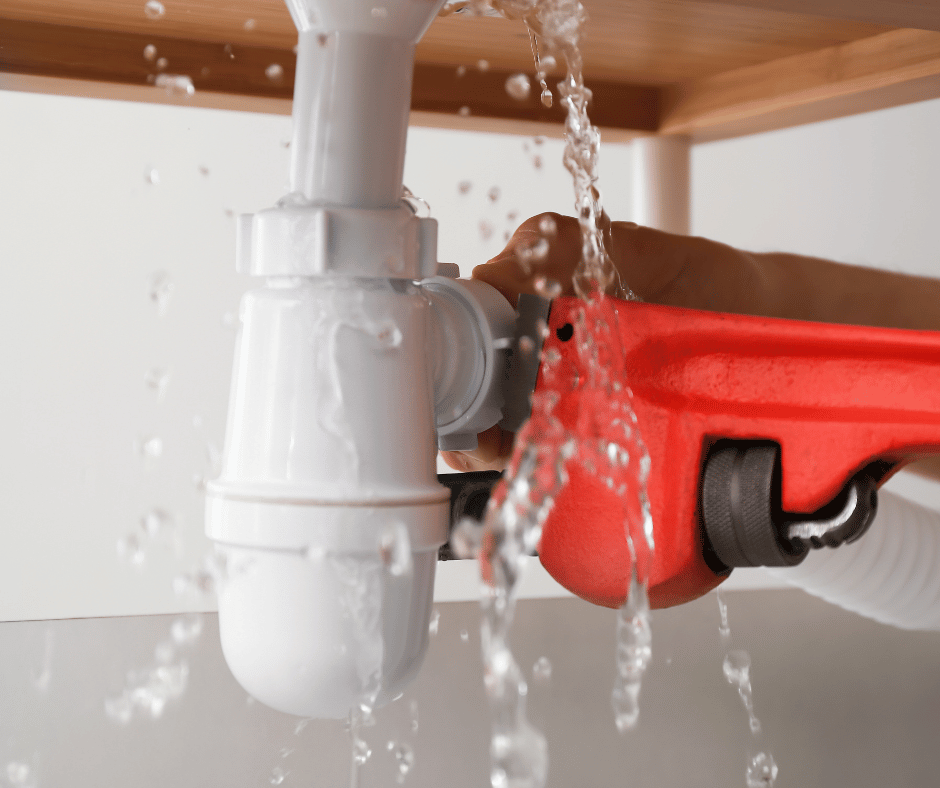
See why you should call us when you need emergency plumbing services.
Check out the estimated lifespan of plumbing fixtures in Twin Cities homes.
Considering a touchless kitchen faucet? Consider these factors.