
Give us a call: 763-220-3765

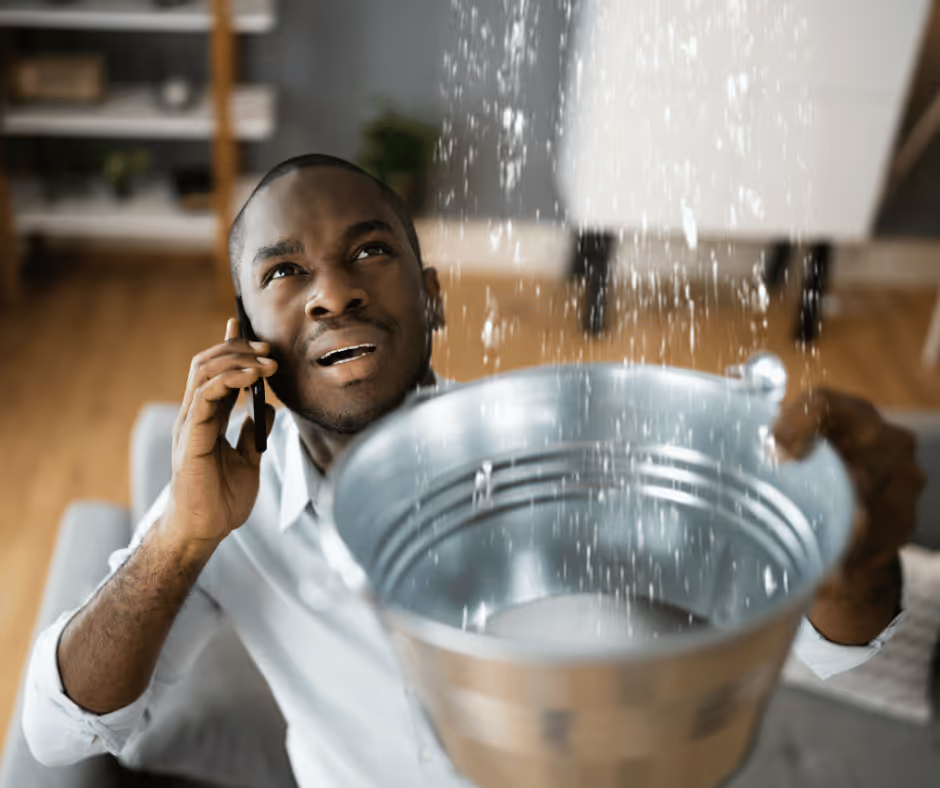
Minnesota winters test every Plymouth home's plumbing system. When temperatures drop below zero—which happens regularly in Plymouth—pipes in vulnerable areas can freeze, and frozen pipes can burst, causing thousands of dollars in water damage to Plymouth homes. As plumbers serving Plymouth throughout the Northwest Metro, we respond to frozen pipe emergencies every winter. Here's everything Plymouth homeowners need to know about preventing frozen pipes and what to do if your Plymouth home's pipes freeze.
Water expands approximately 9% when it freezes. This expansion creates tremendous pressure inside Plymouth home pipes—pressure that pipes simply cannot withstand. When water freezes inside a pipe in your Plymouth home, the expanding ice can crack or burst the pipe.
Here's what makes this particularly dangerous for Plymouth homeowners: pipes often don't leak while frozen. The ice actually plugs the crack or break. The damage becomes apparent when temperatures rise, the ice melts, and water begins flowing through the damaged pipe—flooding your Plymouth home's basement, walls, or crawl space.
We've responded to many emergency calls in Plymouth where homeowners discovered flooding hours or even days after the initial freeze occurred. By then, water damage to the Plymouth home can be extensive and expensive.
Not all pipes in your Plymouth home face equal freeze risk. Understanding which areas are most vulnerable helps Plymouth homeowners focus their prevention efforts effectively:
These are the most vulnerable pipes in any Plymouth home. Outdoor faucets (also called hose bibs or sill cocks) are directly exposed to Plymouth's winter temperatures. Even "frost-free" outdoor faucets can freeze if a garden hose remains connected—the hose holds water that extends the freeze zone back into your Plymouth home's plumbing.
Protection for Plymouth outdoor faucets:
Plymouth homes often have pipes running through unheated or under-heated spaces:
Attics: Many Plymouth homes have plumbing vents or supply lines running through attics. These spaces can get extremely cold during Plymouth winters.
Crawl spaces: Pipes in Plymouth home crawl spaces, especially on exterior walls, face significant freeze risk if the crawl space isn't properly insulated.
Garages: Attached garages in Plymouth homes, especially unheated garages, can allow pipes running through garage spaces to freeze. We've responded to frozen pipe calls in Plymouth where water lines feeding garage utility sinks or running to second-floor bathrooms froze in garage ceiling spaces.
Basements near exterior walls: Even basement pipes in Plymouth homes can freeze if they're on exterior walls with insufficient insulation, especially in older Plymouth homes.
Pipes running through exterior walls of Plymouth homes have less insulation from Minnesota's cold than pipes in interior walls. Kitchen and bathroom plumbing on exterior walls is particularly vulnerable in Plymouth homes during extreme cold.
If you have a Plymouth property that sits vacant during winter—a seasonal home, rental between tenants, or house for sale—the freeze risk multiplies. Without regular heat and water flow, these Plymouth properties face extreme vulnerability to frozen pipes.
Plymouth homeowners often ask: "How cold does it need to be for my pipes to freeze?"
The answer depends on multiple factors specific to your Plymouth home:
Generally, freeze risk begins when:
However, pipes in extremely vulnerable locations in Plymouth homes—like uninsulated crawl spaces or attics—can freeze at higher temperatures, especially if Plymouth is experiencing sustained cold periods.
Most Plymouth plumbers (ourselves included) see a significant increase in frozen pipe calls when Plymouth temperatures drop below 10°F, and especially during multi-day cold snaps where Plymouth sees temperatures below zero for extended periods.
Recognizing frozen pipes early in your Plymouth home allows you to take action before pipes burst:
Turn on a faucet in your Plymouth home and nothing comes out, or only a small trickle flows. This indicates frozen pipes somewhere between the water main and that fixture in your Plymouth home.
Important: If only one faucet in your Plymouth home has no flow, the freeze is likely in the pipe feeding that specific fixture. If multiple faucets throughout your Plymouth home have no flow, the freeze might be in your main water line or a primary supply line.
If you can see pipes in your Plymouth home's basement, crawl space, or attic, visible frost or ice on the outside of the pipe indicates freezing. Check vulnerable areas of your Plymouth home regularly during extreme cold.
A blocked pipe in your Plymouth home can sometimes cause odors as water backs up in drains. If you notice unusual smells along with flow problems, frozen pipes might be the cause.
Visible bulges, cracks, or splits in pipes in your Plymouth home indicate freeze damage. These pipes will leak when thawed—call immediately for Plymouth plumbing service before thawing occurs if possible.
Prevention is far less expensive and disruptive than dealing with burst pipes and water damage in your Plymouth home. Here's our comprehensive guide for Plymouth homeowners:
Insulate vulnerable pipes: Add foam pipe insulation to exposed pipes in your Plymouth home's attic, crawl space, basement, and garage. This inexpensive protection provides significant freeze resistance for Plymouth home pipes.
Seal air leaks: Cold air infiltration contributes to frozen pipes in Plymouth homes. Seal gaps where pipes penetrate walls, and address drafts in attics, crawl spaces, and basements. We've seen Plymouth homes where cold air leaks around pipes created freeze problems that proper insulation alone couldn't prevent.
Disconnect garden hoses: This critical step protects Plymouth outdoor faucets. Even frost-free faucets can freeze if garden hoses remain connected through Plymouth winters.
Service your heating system: A well-functioning furnace or boiler maintains proper temperatures throughout your Plymouth home, reducing freeze risk. Consider annual HVAC maintenance before Plymouth winter arrives.
Know your home's vulnerable areas: Walk through your Plymouth home and identify where pipes run through unheated or exposed areas. These are your highest-risk zones during Plymouth cold snaps.
When Plymouth weather forecasts predict temperatures below 10°F, especially for extended periods, take these additional precautions:
Let faucets drip: Opening faucets slightly keeps water moving through Plymouth home pipes—moving water is much harder to freeze. Focus on faucets furthest from your water main or on exterior walls of your Plymouth home.
You don't need a strong flow—just a steady drip or thin stream prevents freezing. The tiny amount of water this wastes is vastly cheaper than repairing burst pipes in your Plymouth home.
Open cabinet doors: Under sinks on exterior walls in your Plymouth home, open cabinet doors to allow warm air to circulate around pipes. This simple step has prevented many frozen pipes in Plymouth kitchens and bathrooms.
Maintain consistent heat: Don't drastically lower your thermostat at night during extreme Plymouth cold. The money saved on heating will be lost many times over if pipes freeze and burst in your Plymouth home.
If you leave your Plymouth home for winter vacation, maintain heat at least at 55-60°F. Never turn heat off completely in your Plymouth home during winter.
Garage doors: Keep garage doors closed during extreme Plymouth cold if your garage contains any plumbing or water lines running through garage spaces.
Add supplemental heat: For especially vulnerable areas in your Plymouth home, consider temporary heat sources:
If your Plymouth home experiences repeated freeze problems, consider permanent improvements:
Reroute vulnerable pipes: Moving pipes from exterior walls to interior walls in your Plymouth home eliminates freeze exposure. While this requires opening walls, it provides permanent protection.
Improve insulation: Adding insulation to Plymouth home attics, crawl spaces, and exterior walls protects both pipes and your overall heating efficiency.
Install frost-free faucets: Modern frost-free outdoor faucets (properly installed) resist freezing better than traditional sill cocks. We install these throughout Plymouth homes as permanent upgrades.
Add interior shut-off valves: If your Plymouth home's outdoor faucets lack interior shut-off valves, adding them allows you to shut off and drain outdoor faucets for winter—providing excellent freeze protection.
Despite precautions, pipes can still freeze in Plymouth homes during extreme cold. Here's how to respond:
If you discover frozen pipes in your Plymouth home that show signs of cracking or damage, shut off your main water valve immediately. This prevents flooding when the pipe thaws.
If the frozen pipe appears intact (no visible cracks or bulges), you can attempt thawing before shutting off water to your entire Plymouth home.
Open the faucet fed by the frozen pipe in your Plymouth home. As you thaw the pipe, this allows water and steam to escape, reducing pressure. Open both hot and cold taps.
Determine where in your Plymouth home the pipe is frozen. The freeze is typically in vulnerable locations we've discussed: outdoor faucets, pipes in attics or crawl spaces, pipes on exterior walls, or pipes in unheated areas of your Plymouth home.
Safe thawing methods for Plymouth home pipes:
Hair dryer: The safest DIY method for Plymouth homeowners. Apply heat to the frozen section of pipe, working from the faucet toward the frozen area. Never use a hair dryer around standing water.
Heat lamp or space heater: Position the heat source near the frozen pipe in your Plymouth home, maintaining safe distances per manufacturer recommendations.
Warm towels: Soak towels in hot water and wrap them around frozen pipes in your Plymouth home. Replace with freshly heated towels as they cool.
Turn up heat: Increase your Plymouth home's thermostat and allow time for interior temperatures to rise, slowly thawing pipes.
NEVER use these methods in your Plymouth home:
As pipes thaw in your Plymouth home, watch for leaks. Water seeping from pipes indicates freeze damage. If you discover leaks, shut off water to your Plymouth home immediately and call for emergency plumbing service.
If you cannot locate the frozen pipe in your Plymouth home, cannot safely access the frozen area, or are uncomfortable attempting thawing yourself, call First Class Plumbing. We respond to frozen pipe emergencies throughout Plymouth and the Northwest Metro.
We have equipment and expertise to safely thaw frozen pipes in Plymouth homes, including pipes inside walls or other difficult-to-access locations.
If a pipe bursts in your Plymouth home:
Don't wait to call. Every minute water flows through a burst pipe causes more damage to your Plymouth home. We respond quickly to frozen and burst pipe emergencies throughout Plymouth, Maple Grove, and the Northwest Metro.
When Plymouth winter strikes your home's plumbing, you need responsive, expert service:
Fast emergency response: Based in nearby Maple Grove, we reach most Plymouth homes quickly during emergencies.
Proper equipment: We have professional pipe thawing equipment that safely and effectively thaws frozen pipes in Plymouth homes, including pipes inside walls.
Comprehensive service: Beyond thawing, we inspect for damage, make necessary repairs, and help Plymouth homeowners understand why their pipes froze so you can prevent future problems.
One-year warranty: All our work in Plymouth homes, including frozen pipe repairs, comes with our one-year parts and labor warranty.
Prevention guidance: We help Plymouth homeowners understand their home's vulnerabilities and implement effective freeze prevention strategies.
All plumbing services: Whether you need frozen pipe service now or want to prevent future problems with pipe insulation, rerouting, or upgraded fixtures, we serve Plymouth homes with complete plumbing solutions.
Frozen pipes are just one winter challenge Plymouth homes face. We provide comprehensive plumbing services for Plymouth residents:
First Class Plumbing serves Plymouth homes throughout the year, from winter frozen pipe emergencies to summer outdoor faucet installations. Based in Maple Grove, we serve Plymouth alongside Minnetonka, Golden Valley, Wayzata, Coon Rapids, Brooklyn Park, Osseo, and communities throughout the Northwest Twin Cities Metro.
We're committed to treating every Plymouth family with the integrity they deserve, providing transparent pricing, quality workmanship, and service backed by our one-year parts and labor warranty.
Don't let frozen pipes damage your Plymouth home this winter. Call First Class Plumbing for frozen pipe prevention, emergency thawing, burst pipe repair, and all your Plymouth plumbing needs.
Serving Plymouth with expert plumbing service, emergency response, and preventive maintenance. Based in Maple Grove, proudly serving the Northwest Metro and Twin Cities area.
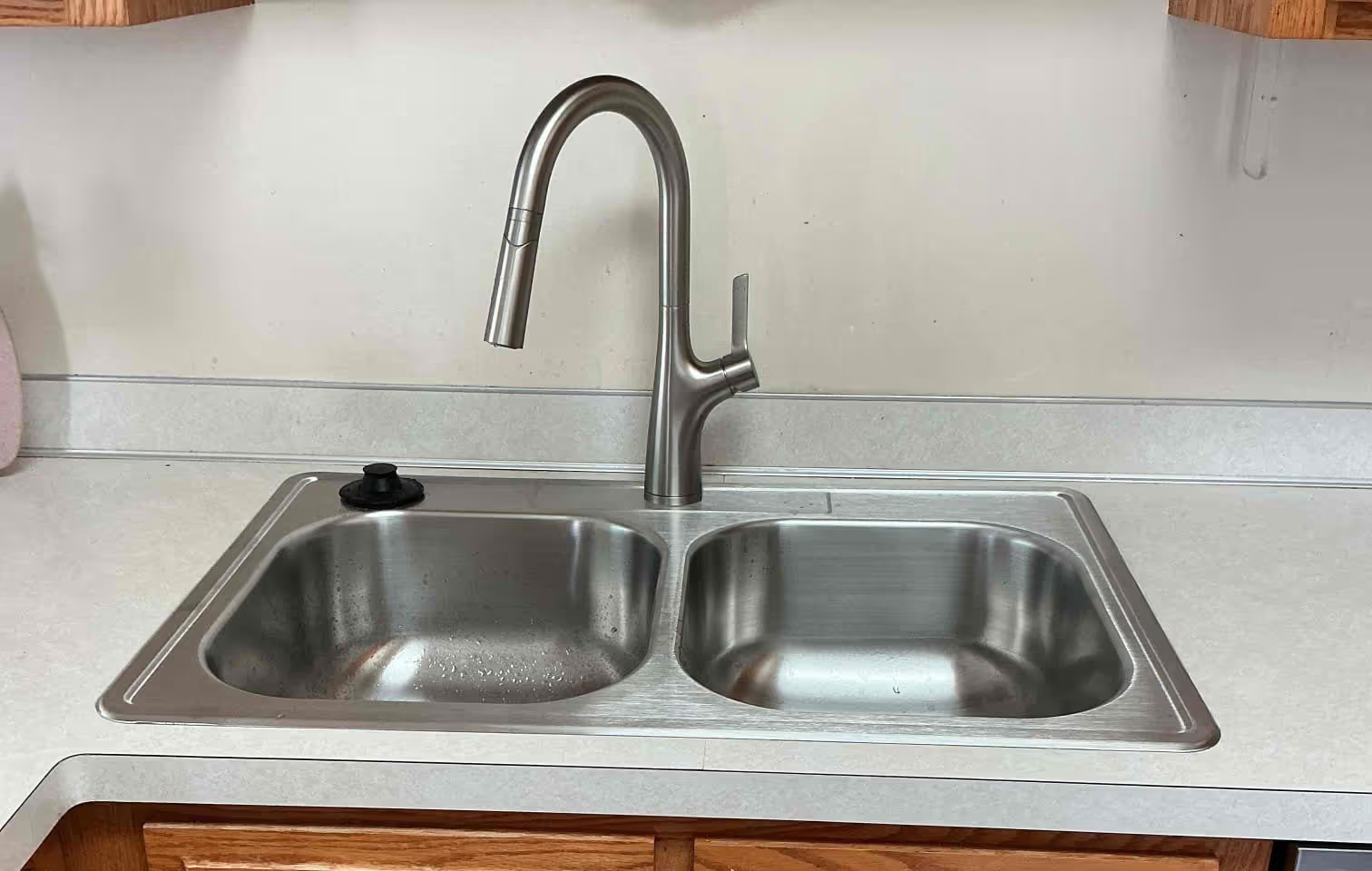
A homeowner on Yew Point in Eagan wanted to replace an outdated, malfunctioning kitchen faucet with a hassle-free upgrade. Here's exactly how our licensed plumbing team removed the old setup, inspected every connection, installed the new sink and faucet, and tested everything before driving away.
What we check during a whole-home plumbing inspection in Maple Grove, why it comes free with every service call, and the small problems we catch before they cost you thousands.
Chlorine, sodium, and what your softener does to drinking water. A Maple Grove plumber explains when to add reverse osmosis filtration to your city water.
Pre-purchase sewer camera inspection in Eden Prairie, MN. 118 feet documented, line cleared to close.

Kitchen, bath, and gas line install in Saint Michael, MN. Passed city inspection same day (3:25 PM).
3/4 bathroom fixture set install in Maple Grove, MN. New faucet, shower trim, and toilet, all tested.