
Give us a call: 763-220-3765


Many Prior Lake homeowners rely on private wells for their water supply, particularly in the more rural areas surrounding Upper Prior Lake, Lower Prior Lake, and Spring Lake. While Prior Lake's city water serves much of the developed area, properties outside municipal water service boundaries depend on groundwater wells—and that means homeowners themselves are responsible for ensuring their water is safe to drink.
At First Class Plumbing, we serve homeowners throughout Prior Lake, Savage, Shakopee, and Scott County with water testing, filtration systems, and water treatment solutions. We understand the unique water quality challenges that affect wells in the Prior Lake area, and we know how critical clean water is for your family's health. If you've never had your well water tested, or if it's been years since your last test, this guide explains what you need to know about Prior Lake well water safety.
Why Well Water Testing Matters for Prior Lake Homeowners
Unlike city water systems where municipalities are required to monitor water quality constantly and notify residents of any problems, private well owners are entirely responsible for their own water safety. No government agency regularly tests your well water or warns you if contamination develops. This means Prior Lake homeowners with wells must be proactive about testing and treatment.
Wells in the Prior Lake area draw from groundwater aquifers that can be affected by numerous factors including natural geology that may contain arsenic, uranium, or other minerals, agricultural activities in surrounding Scott County, septic systems from neighboring properties, road salt and runoff from development, and changes in groundwater levels that can alter water chemistry. These factors mean well water quality can change over time, even in wells that tested clean when first installed.
The most concerning aspect of many water contaminants is that you can't see, taste, or smell them. Prior Lake well water might look perfectly clear and taste fine while containing dangerous levels of arsenic, nitrates, or bacteria. This is why regular testing is essential—it's the only way to know for certain whether your family's drinking water is safe.
Common Contaminants in Prior Lake Area Well Water
Based on our experience serving Prior Lake homeowners and general water quality data from Scott County, several contaminants appear frequently in local well water testing.
Arsenic is the most serious health concern we encounter in Prior Lake area well water. Arsenic occurs naturally in Minnesota bedrock and soil, and it dissolves into groundwater that feeds wells. The Prior Lake area, like much of Minnesota, has naturally elevated arsenic levels in groundwater. Long-term exposure to arsenic in drinking water has been linked to various cancers, cardiovascular disease, neurological problems, and other serious health effects.
The EPA's maximum contaminant level for arsenic in drinking water is 10 parts per billion (ppb), but even lower levels can pose health risks with long-term exposure. Many Prior Lake area wells test above this threshold, making arsenic the primary reason homeowners install whole-house filtration systems.
Lead contamination in well water typically doesn't come from the well itself but rather from plumbing components within your home. Older homes in Prior Lake—particularly those built before regulations limited lead content in plumbing materials—may have lead pipes, lead solder on copper pipes, or brass fixtures that contain lead. When water sits in these pipes overnight or during the day while you're away, lead can leach into the water.
Lead is particularly dangerous for children and pregnant women because it affects brain development and can cause learning disabilities and behavioral problems. There's no safe level of lead exposure, making detection and treatment critical for families with children in Prior Lake homes.
Nitrates enter groundwater primarily from agricultural fertilizer runoff and failing septic systems. Scott County has significant agricultural land use, and nitrates from farm fields can migrate into aquifers over time. Nitrates are especially dangerous for infants under six months old, where they can cause "blue baby syndrome"—a potentially fatal condition that prevents blood from carrying oxygen properly.
For Prior Lake homeowners in more rural areas or near agricultural land, nitrate testing is particularly important if you have infants or are pregnant. The EPA's maximum contaminant level for nitrates is 10 milligrams per liter (mg/L), measured as nitrogen.
Iron and Manganese are common in Prior Lake area well water. While not health hazards at the levels typically encountered, these minerals cause significant nuisance problems including reddish-brown or black staining on fixtures, sinks, and laundry, metallic taste in drinking water, discolored water, and bacterial growth that feeds on iron particles. Many Prior Lake well owners install water treatment specifically to address iron and manganese issues, improving water quality and protecting fixtures and appliances.
Bacteria including coliform bacteria and E. coli can contaminate wells through various pathways. Surface water can enter wells through cracked casings, improper well caps, or during flooding events. Nearby septic systems can contaminate groundwater if they fail or are too close to wells. While coliform bacteria themselves aren't necessarily harmful, their presence indicates that disease-causing organisms could enter your well. E. coli specifically indicates fecal contamination and poses immediate health risks.
Hardness is nearly universal in Prior Lake area well water. Hard water contains dissolved calcium and magnesium minerals that create scale buildup on fixtures and in pipes, reduce soap and detergent effectiveness, leave spots on dishes and glassware, and cause dry skin and hair. While not a health hazard, hard water affects daily life and damages plumbing systems and appliances over time.
How Often Should Prior Lake Homeowners Test Well Water?
The Minnesota Department of Health recommends testing private wells annually for bacteria and nitrates, and testing every three to five years for arsenic and other contaminants. However, First Class Plumbing recommends more frequent testing in certain situations that are common for Prior Lake homeowners.
Test your well water immediately if you notice any changes in water taste, smell, color, or clarity, if there are changes in land use near your property (new development, agricultural changes, etc.), after flooding or other extreme weather events that could affect groundwater, if someone in your household experiences unexplained illness, when you purchase a property with a well, or before you bring a newborn baby home—infants are especially vulnerable to water contaminants.
Additionally, if you've installed water treatment systems, periodic testing ensures they're working effectively. Even the best filtration systems eventually need filter changes or maintenance, and testing verifies your water remains safe.
What Tests Should Prior Lake Well Owners Request?
Water testing ranges from basic bacteria testing to comprehensive analysis of dozens of potential contaminants. For Prior Lake homeowners, we recommend starting with a standard test panel that includes bacteria (coliform and E. coli), nitrates, arsenic, lead, and basic water chemistry including hardness and pH. This covers the most common health concerns and provides baseline information about your water quality.
If initial testing reveals any concerns or if your well is in a high-risk location—near agricultural land, old septic systems, or potential contamination sources—more comprehensive testing may be warranted. Advanced testing can screen for pesticides, herbicides, volatile organic compounds (VOCs), and other specific contaminants based on potential exposure sources near your Prior Lake property.
First Class Plumbing can arrange water testing for Prior Lake homeowners through certified laboratories. We collect samples properly to ensure accurate results, send them to labs that meet Minnesota Department of Health standards, and help you interpret results when they return. Many homeowners find water test results confusing, but we can explain what the numbers mean for your family's safety and what treatment options address any problems identified.
Water Treatment Options for Prior Lake Well Owners
When testing reveals contaminants in your Prior Lake well water, several treatment technologies can address specific problems. The right solution depends on which contaminants are present, their concentration levels, your household size and water usage, your budget for equipment and ongoing maintenance, and whether you want to treat all water or just drinking water.
Whole-House Filtration Systems treat all water entering your Prior Lake home, providing treated water for drinking, cooking, bathing, laundry, and all other uses. These systems typically include multiple stages including sediment filters that remove particles, sand, and rust, carbon filters that remove chlorine, some chemicals, and improve taste, specialized filters for specific contaminants like arsenic or iron, and water softeners if hardness is a concern.
Whole-house systems provide comprehensive protection and are particularly valuable for Prior Lake families with children or for contaminants like arsenic that pose health risks through both drinking and bathing. These systems require professional installation and regular filter changes, but they protect your entire household and all your plumbing fixtures and appliances.
Reverse Osmosis (RO) Systems for point-of-use treatment install under your kitchen sink and treat water at a single faucet—typically providing ultra-pure drinking and cooking water. RO systems force water through an extremely fine membrane that removes virtually all dissolved solids, contaminants, and minerals including arsenic, lead, nitrates, fluoride, and hundreds of other potential contaminants.
For Prior Lake homeowners on tight budgets or who primarily want safe drinking water, an RO system offers excellent protection at reasonable cost. These systems produce 2-3 gallons of treated water per hour, which is adequate for drinking and cooking but not for whole-house use. They do waste some water during the filtration process, but the trade-off for ultra-pure drinking water is worthwhile for many families.
Arsenic Removal Systems are specialized filtration systems designed specifically to remove arsenic from well water. Prior Lake area wells frequently test high for arsenic, making these systems particularly relevant for local homeowners. Effective arsenic removal technologies include activated alumina filters that bind arsenic particles, reverse osmosis systems that filter arsenic molecules, and anion exchange systems that replace arsenic with harmless ions.
Because arsenic poses serious long-term health risks and is common in Prior Lake area wells, homeowners who test positive for elevated arsenic should prioritize treatment. We can recommend and install arsenic removal systems sized appropriately for your household's needs and your specific arsenic levels.
Water Softeners address hardness by removing calcium and magnesium minerals through ion exchange. While not required for health, water softeners protect plumbing systems and appliances, improve soap and detergent effectiveness, prevent scale buildup on fixtures, and improve skin and hair feel. For Prior Lake homeowners dealing with hard well water—which is nearly all wells in the area—a water softener is a valuable investment that pays for itself through extended appliance life and reduced cleaning effort.
Iron and Manganese Filters specifically address these common nuisance minerals found in Prior Lake area well water. These filters oxidize dissolved iron and manganese, converting them to particles that can be filtered out. Effective iron/manganese removal often requires a multi-stage approach including oxidation, filtration, and sometimes water softening.
UV Disinfection Systems kill bacteria and viruses using ultraviolet light. If your Prior Lake well tests positive for coliform bacteria or E. coli, UV disinfection provides reliable protection without chemicals. These systems install in your water line and use UV lamps to kill microorganisms as water flows through, providing continuous disinfection for your entire household.
Choosing the Right Treatment for Your Prior Lake Well
Selecting appropriate water treatment requires understanding your specific water quality problems, which is why testing comes first. Prior Lake homeowners often need combination treatment systems that address multiple issues—perhaps arsenic removal plus water softening, or whole-house filtration plus UV disinfection.
At First Class Plumbing, we help Prior Lake homeowners design treatment systems tailored to their specific needs. We review your water test results, discuss your priorities and concerns, explain which treatment technologies address your specific contaminants, provide honest cost information for equipment and ongoing maintenance, and ensure proper sizing for your household's water usage.
We install treatment systems properly, which is critical for effectiveness. Incorrectly installed systems don't work as intended and can even make water quality worse in some cases. Our licensed plumbers follow manufacturer specifications and industry best practices, ensuring your investment in water treatment provides the protection your family needs.
Maintaining Water Treatment Systems in Prior Lake Homes
All water treatment systems require ongoing maintenance to remain effective. Filter cartridges need replacement on schedule—using contaminated filters defeats the purpose of having treatment in the first place. Water softeners need salt refills and occasional cleaning. UV lamps need annual replacement even if they still glow because their disinfection effectiveness decreases over time. RO systems need membrane replacement every few years depending on water quality and usage.
First Class Plumbing provides maintenance services for water treatment systems throughout Prior Lake, Savage, and Shakopee. We can set up regular maintenance schedules, provide reminder calls when service is due, stock replacement filters and components for quick service, and re-test water periodically to ensure treatment systems are working effectively. Proper maintenance protects your investment in water treatment and ensures your family continues receiving safe, clean water.
The Cost of Clean Water vs. The Cost of Contamination
Prior Lake homeowners sometimes hesitate to invest in water testing and treatment because of the cost. A comprehensive water test might cost $150-300. A whole-house filtration system or arsenic removal system can cost several thousand dollars. But consider the alternative costs of not treating contaminated water.
The health costs of long-term arsenic exposure, lead exposure affecting children's development, or bacteria causing repeated illness are immeasurable. The financial costs of medical treatment for conditions caused by contaminated water far exceed the cost of prevention. The damage hard water causes to plumbing fixtures, appliances, and water heaters adds up to thousands of dollars over time. And the peace of mind that comes from knowing your family's water is safe has value that's difficult to quantify.
For Prior Lake homeowners, testing and treating well water isn't an expense—it's an investment in your family's health and your home's value.
Starting with Testing: Take Action Today
If you're a Prior Lake homeowner with a well and you haven't had your water tested recently, making testing a priority is the single most important thing you can do to protect your family's health. You can't treat problems you don't know about, and water testing is the only way to identify what's in your water.
Contact First Class Plumbing today to arrange water testing for your Prior Lake well. We'll collect samples properly, send them to certified labs, and help you understand results and treatment options. Whether you need comprehensive filtration, arsenic removal, water softening, or simply peace of mind that your water is safe, we'll help you develop a solution that fits your needs and budget.
Don't wait until someone in your family gets sick or until home sale inspections reveal water quality problems. Test your Prior Lake well water now, understand what treatment options address any issues identified, and invest in systems that protect your family's health for years to come.
Related Services:
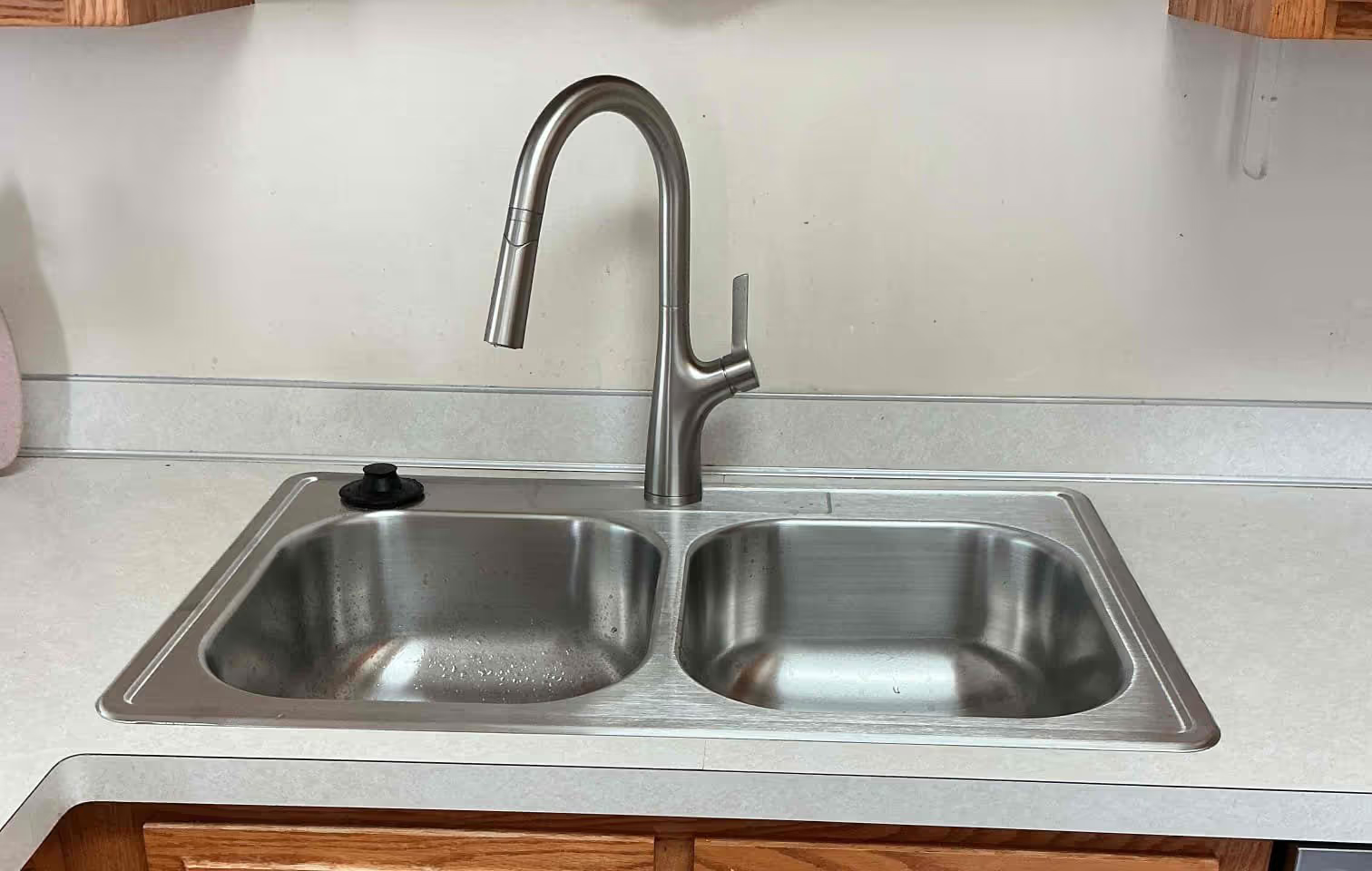
A homeowner on Yew Point in Eagan wanted to replace an outdated, malfunctioning kitchen faucet with a hassle-free upgrade. Here's exactly how our licensed plumbing team removed the old setup, inspected every connection, installed the new sink and faucet, and tested everything before driving away.

What we check during a whole-home plumbing inspection in Maple Grove, why it comes free with every service call, and the small problems we catch before they cost you thousands.

Chlorine, sodium, and what your softener does to drinking water. A Maple Grove plumber explains when to add reverse osmosis filtration to your city water.
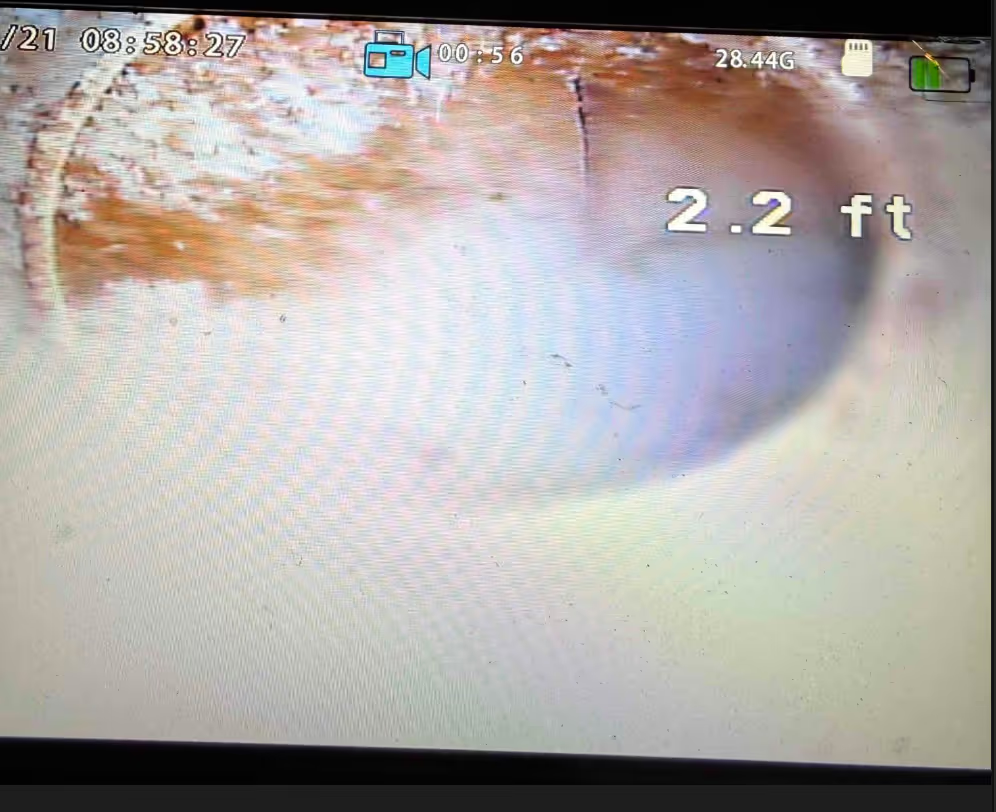
Pre-purchase sewer camera inspection in Eden Prairie, MN. 118 feet documented, line cleared to close.

Kitchen, bath, and gas line install in Saint Michael, MN. Passed city inspection same day (3:25 PM).
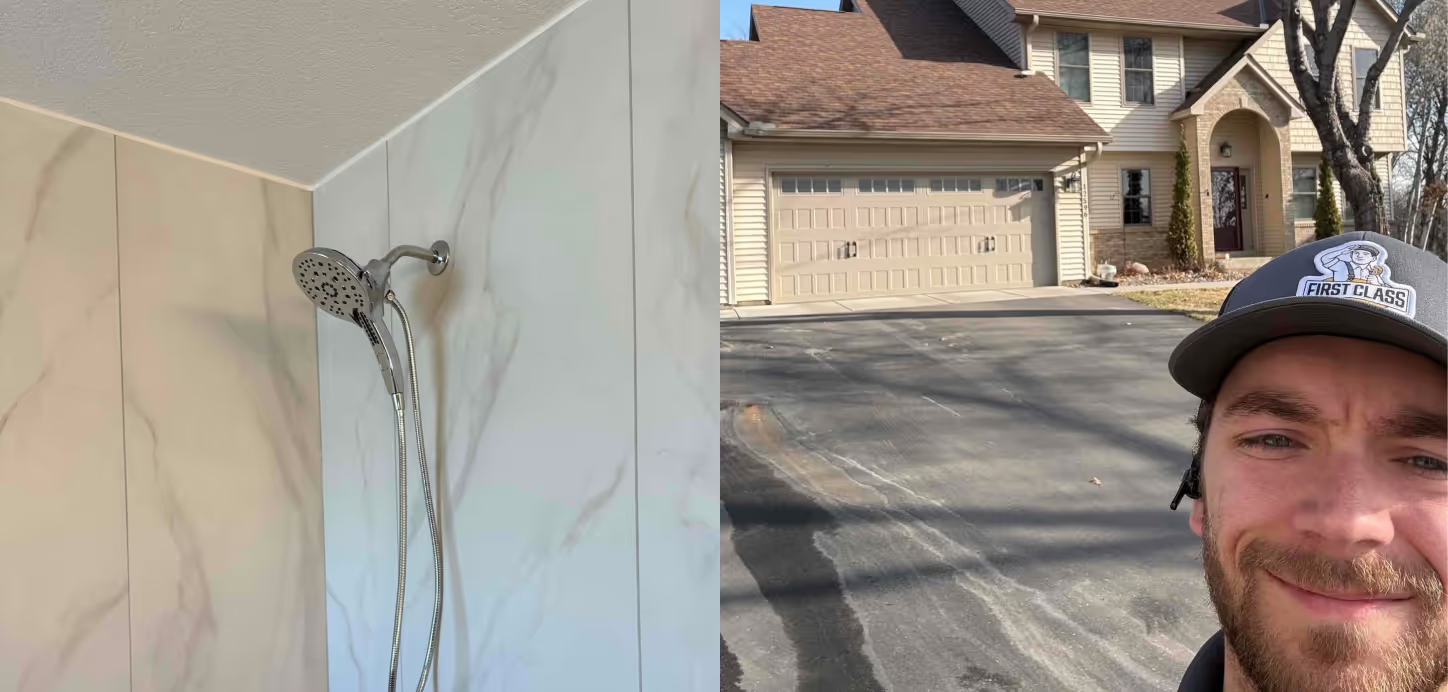
3/4 bathroom fixture set install in Maple Grove, MN. New faucet, shower trim, and toilet, all tested.