
Give us a call: 763-220-3765

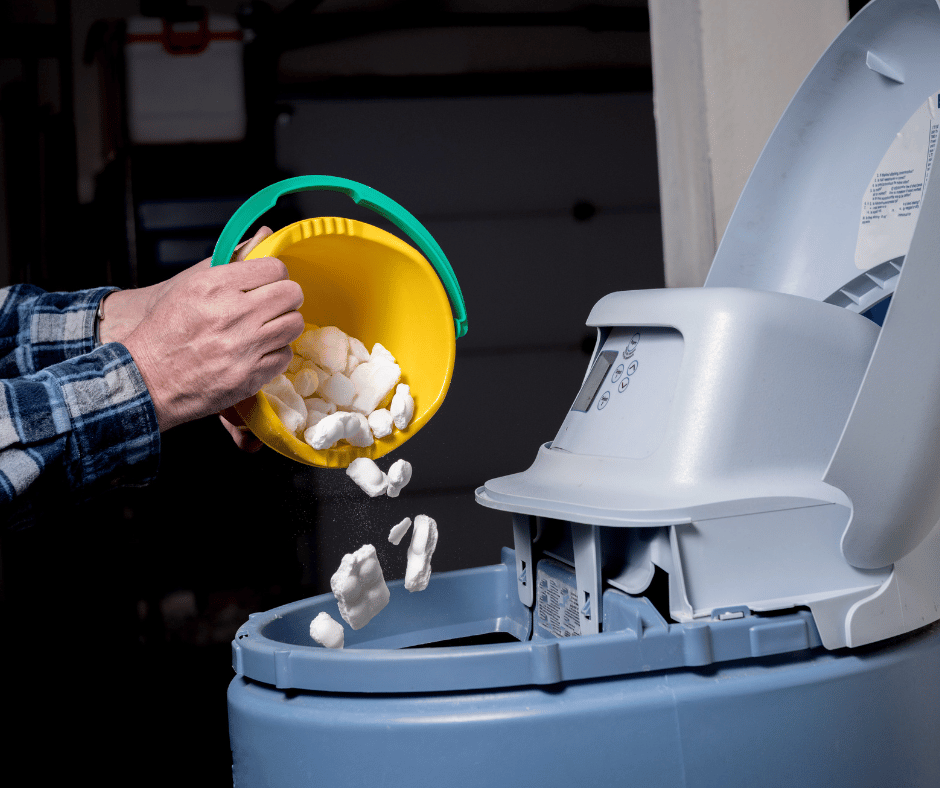
If you're searching "water softener maintenance Maple Grove" or "how often to service water softener Minnesota," you're asking an important question that many Twin Cities homeowners overlook. Water softeners seem to operate invisibly—until they don't. Regular maintenance prevents problems, extends equipment life, and ensures you're actually getting soft water throughout your home.
At First Class Plumbing, we provide routine plumbing maintenance including water softener service throughout Maple Grove, Plymouth, Minnetonka, and the Northwest Metro. Here's what water softener maintenance involves and how often you need it.
The short answer to "how often should I service my water softener" is once per year for most Maple Grove homes with city water.
Annual professional service catches small problems before they become expensive repairs. During a typical service visit, we:
Test your water hardness before and after the softener to verify it's actually removing hardness. Many homeowners don't realize their softener stopped working properly until we test and find 10 GPG in their "softened" water.
Inspect salt levels and brine tank condition. We check for salt bridges (hard crusts that prevent dissolving), examine the brine tank for sediment buildup, and ensure the float valve operates correctly.
Clean the venturi valve and injector. These small components create suction during regeneration. Sediment and iron buildup clogs them, causing regeneration problems and excessive salt usage.
Check regeneration programming. We verify your system is programmed correctly for your water hardness and household water consumption. Incorrect settings waste salt and reduce efficiency.
Inspect resin condition. While we can't see inside the resin tank without special equipment, testing water hardness output tells us if resin is fouled or degraded.
Test drain line flow. Clogs in the drain line prevent proper regeneration. We verify wastewater flows freely during the regeneration cycle.
Lubricate moving parts. Control valves, bypass valves, and other mechanical components benefit from lubrication to prevent seizing.
Check for leaks. We inspect all connections, the brine tank, and the resin tank for any signs of leaking that could cause water damage to your Maple Grove home.
Annual service typically takes 30-45 minutes and costs $100-$150. This preventive maintenance is far cheaper than repair calls or premature system replacement.
Between annual professional service visits, Maple Grove homeowners should perform basic monthly checks:
Check salt level: Look in your brine tank monthly. When salt drops below half-full, add more. Most residential systems need salt added every 4-8 weeks depending on water usage and regeneration frequency.
Use high-quality solar salt pellets or evaporated salt pellets. Avoid rock salt, which leaves residue and causes problems.
Look for salt bridges: While checking salt levels, push a broom handle down into the salt. If you hit resistance before reaching the bottom of the tank, you've found a salt bridge—a hard crust preventing salt from dissolving. Break it up by poking through with the broom handle.
Inspect for leaks: Walk around your water softener, checking for moisture on the floor, dripping sounds, or water stains. Catch leaks early before they cause extensive damage to your basement or utility room.
Verify regeneration occurs: Most water softeners show a display indicating when they last regenerated. Check occasionally to ensure regeneration is happening on schedule. If your display shows it's been two weeks since regeneration and your system normally regenerates every few days, something's wrong.
Listen for unusual sounds: During regeneration, water softeners make consistent sounds as valves open and close. If you hear hissing, continuous running water when regeneration should be complete, or grinding noises, call for service.
These monthly checks take 5-10 minutes total. They help you catch problems early and prevent emergency service calls.
If your Northwest Metro home has well water rather than city water, your water softener needs more frequent attention:
Service every 6 months instead of annually. Well water typically contains iron, manganese, and sediment that foul resin and clog components faster than city water.
Iron removal cleaning: If your well water contains iron (common around Maple Grove), the resin needs periodic cleaning with iron-removing products. This prevents iron fouling that reduces capacity and causes excessive salt consumption.
Sediment filter changes: Wells should have sediment filters before the water softener. These filters need replacement every 3-6 months depending on sediment levels. Neglecting sediment filters allows particles into your softener, accelerating wear.
More frequent resin replacement: Well water with high iron content degrades resin faster. Expect resin replacement every 7-10 years instead of 15-20 years typical for city water systems.
Well water is harder on water softeners than city water. More frequent maintenance prevents problems and extends equipment life.
Don't wait for your annual service if you notice these problems in your Twin Cities home:
Hard water symptoms return: Spotty dishes, soap scum, stiff laundry, or dry skin after showering indicate your softener isn't working. Test your water hardness or call for service immediately.
Salt level doesn't drop: If you add salt every month but the level never seems to decrease, regeneration isn't occurring properly. Salt should visibly decrease between fills.
Constant regeneration: Your water softener regenerates multiple times daily instead of every few days. This wastes salt and water while indicating a malfunction.
Low water pressure throughout home: Sudden pressure loss can indicate softener problems—possibly a stuck valve or resin breaking apart and clogging pipes.
Salty taste in water: If your softened water tastes salty, the system is allowing brine into your household water. This requires immediate service.
Error codes on display: Modern water softeners show error codes when problems occur. Don't ignore these—they indicate specific malfunctions requiring professional attention.
Leaking from tank or connections: Any leaking needs immediate attention before it causes water damage to your Maple Grove home.
Brown or rusty water: If soft water comes out brown or rust-colored, iron fouling or resin breakdown is occurring. This requires professional cleaning or resin replacement.
Don't wait for annual service when these problems occur. Immediate service prevents further damage and restores soft water quickly.
The resin inside your water softener does the actual work of removing hardness. Over time, resin becomes less effective due to:
Iron fouling: Minnesota well water and even some city water contains trace iron. Iron coats resin beads, reducing their ability to exchange ions. This gradually decreases softener capacity.
Manganese fouling: Similar to iron, manganese in well water coats resin beads and reduces efficiency.
Organic contamination: Tannins from decaying vegetation (in well water) and other organic materials foul resin over time.
Chlorine damage: City water chlorine gradually damages resin, reducing its effectiveness.
Resin cleaning involves running specialized cleaning solutions through the resin tank to remove fouling. This isn't part of normal regeneration—it requires professional service with commercial-grade cleaners.
For city water systems: Resin cleaning every 3-5 years maintains optimal performance.
For well water systems with iron: Annual resin cleaning prevents severe fouling and extends resin life.
Signs you need resin cleaning: Decreasing softener capacity (hard water returning sooner between regenerations), excessive salt usage, or testing showing reduced softening despite proper regeneration.
Resin cleaning costs $150-$250 but is far cheaper than resin replacement ($300-$500). Regular cleaning extends the years between expensive resin replacements.
Even with proper maintenance, resin doesn't last forever. Residential water softener resin typically lasts:
City water systems: 15-20 years with proper maintenance
Well water systems with iron: 7-12 years depending on iron levels
Heavily chlorinated city water: 10-15 years (chlorine accelerates resin breakdown)
Signs your resin needs replacement:
Resin replacement costs $300-$500 depending on tank size. This is far cheaper than replacing the entire water softener ($1,200-$2,500), so it's a worthwhile investment if your control valve and tanks are in good condition.
For water softeners over 15 years old needing resin replacement, we evaluate whether resin replacement or complete system replacement makes more financial sense.
The electronic control valve manages regeneration timing and valve positions during the softening and regeneration cycles. These computerized components require some attention:
Keep the control valve clean and dry. Wipe away any dust or moisture that accumulates. High humidity in Northwest Metro basements can cause electrical problems.
Don't unplug unless necessary. Control valves maintain time and cycle settings when powered continuously. Unplugging loses settings and can cause regeneration schedule problems.
Check display periodically. Modern control valves show system status. Check occasionally to ensure it's functioning normally and not showing error codes.
Battery backup (if equipped). Some control valves have battery backup for power outages. Replace backup batteries every 2-3 years according to manufacturer recommendations.
Control valves typically last 10-15 years with proper care. Malfunctions before 10 years often indicate environmental problems (moisture, power issues) or manufacturing defects covered by warranty.
Every water softener has a bypass valve that allows you to send water around the softener for maintenance or emergencies. This simple component needs occasional attention:
Exercise the valve quarterly. Move the bypass valve fully open and closed several times per year. This prevents seizing and ensures it works when needed.
Check for leaks at bypass valve connections. Corrosion or loose fittings at the bypass can leak. Tighten connections and replace corroded components.
Verify valve position. Make sure the bypass is fully closed during normal operation. Partially open bypass valves send hard water around your softener, reducing effectiveness.
Bypass valve problems are simple to fix but easily overlooked. Quarterly checks prevent these issues.
Minnesota's climate creates seasonal considerations for water softener maintenance:
Winter: Basement temperatures drop. Ensure your water softener location doesn't get cold enough to freeze (unlikely in most finished basements, but watch unheated utility rooms).
Spring: Increased water usage from lawn watering can require regeneration frequency adjustments. If you're watering your Maple Grove lawn extensively, your softener regenerates more often.
Summer: Higher humidity in Minnesota basements increases salt bridge risk. Check for salt bridges more frequently during humid summer months.
Fall: Before winter, verify your drain line doesn't freeze. Frozen drain lines prevent regeneration and can cause water softener damage.
Seasonal awareness prevents problems specific to Minnesota's climate.
Some water softener maintenance is appropriate for homeowner DIY:
DIY tasks:
Professional tasks:
Attempting complex maintenance without proper knowledge and tools causes more problems than it solves. We've repaired many systems where DIY maintenance attempts damaged components or created leaks.
Know your limits and call professionals for anything beyond basic salt management and visual inspections.
Track your water softener maintenance history:
Document salt usage: How often do you add salt? Sudden increases indicate problems.
Record service visits: When was annual service performed? What was done? What recommendations were made?
Note problems and repairs: When did problems occur? What was the fix? This history helps diagnose recurring issues.
Save water quality test results: Hardness testing over time shows how well your system performs and when capacity decreases.
Good records help service technicians diagnose problems faster and help you understand your system's performance trends.
Skipping maintenance seems like saving money, but neglect costs more long-term:
Premature system failure: Water softeners with proper maintenance last 15-20 years. Neglected systems fail at 8-10 years. Replacing a system costs $1,200-$2,500—far more than annual $100-$150 service visits.
Expensive repairs: Small problems caught during annual service cost minimal amounts to fix. The same problems ignored until catastrophic failure cost hundreds in repairs.
Hard water damage: When your softener stops working and you don't notice, hard water damages your water heater, fixtures, and appliances. These costs dwarf maintenance expenses.
Wasted salt: Improperly functioning softeners waste salt—sometimes doubling or tripling consumption. Annual service optimizes efficiency.
Quality of life impact: Living with hard water—soap scum, spotty dishes, dry skin—degrades daily life. Maintaining your softener ensures consistent soft water benefits.
The math is clear: $100-$150 annually for maintenance prevents thousands in repairs and replacements.
Regular water softener maintenance ensures your system delivers soft water efficiently for years. At First Class Plumbing, we provide comprehensive water softener service throughout Maple Grove, Plymouth, Minnetonka, Brooklyn Park, and the entire Northwest Metro.
Annual service keeps your system operating optimally, prevents expensive repairs, and extends equipment life. We also handle urgent repairs when problems occur between scheduled maintenance.
Call 763-220-3765 today to schedule water softener maintenance in the Twin Cities. Our service includes comprehensive testing, cleaning, adjustment, and inspection—everything needed to keep your system working perfectly.
Contact First Class Plumbing for water softener service you can trust. Don't wait until problems occur—preventive maintenance is always cheaper than repairs.
Use these tips to prevent water damage in your Scott County home.

Use these tips to avoid burst pipes.
Use these tips to make sure your home is ready to host people all summer.

Why do you need a trained, licensed plumber? We explain why it's essential.
Before you host guests, consider these Prior Lake plumbing tips.
Use these tips when selecting between PEX and copper pipes in Prior Lake, MN.