
Give us a call: 763-220-3765


City water in Maple Grove is safe by EPA standards, but it still carries chlorine and hardness. A water softener removes the hardness but adds a small amount of sodium. People on low-sodium diets, anyone who wants chlorine-free drinking water, or anyone who wants bottled-water taste at the tap usually adds a reverse osmosis system under the kitchen sink. First Class Plumbing helps Maple Grove homeowners figure out which filtration makes sense for their home. Call 763-220-3765 to schedule a consultation.
It depends on what you want from your water. Maple Grove, Plymouth, Brooklyn Park, and most of the Northwest Twin Cities sit on water that meets every EPA standard before it reaches your home. The water is safe to drink by federal definitions. The question is whether safe is the same as ideal.
Most Maple Grove homeowners install a water softener at minimum, because the city's water is naturally hard. That handles the scale buildup, fixture lifespan, and laundry issues. The next layer of filtration is optional, and that is where reverse osmosis, carbon filters, and remineralization come in.
Municipalities add chlorine to keep water safe through the distribution system. The EPA sets the limit at 4 milligrams per liter. Most municipal systems run between 0.5 and 2 milligrams per liter at the tap, depending on how far the water has traveled from the treatment plant.
That level is considered safe for consumption. It is also enough to give the water a noticeable taste and smell, especially right after the city flushes the system. Some people are sensitive to chlorinated water for drinking, showering, or cooking. Skin reactions, respiratory irritation during hot showers, and a metallic aftertaste in coffee are the most common complaints we hear from homeowners in Golden Valley, New Hope, and Maple Grove.
A water softener uses ion exchange to remove the calcium and magnesium that cause hardness. The resin beads inside the softener are charged with sodium. When water flows through, the beads swap their sodium ions for the calcium and magnesium ions in the water. The result is soft water at every fixture in the home.
The trade-off is that a small amount of sodium ends up in your drinking water. For most healthy adults, the amount is negligible. For someone on a low-sodium diet, on dialysis, or with hypertension, the added sodium can matter. This is the part most homeowners do not learn until after the softener is installed.
A reverse osmosis system, usually installed under the kitchen sink, forces water through a semi-permeable membrane that filters out almost everything dissolved in the water, including sodium, chlorine, and most contaminants. The output is near-pure water, ready to drink straight from the dedicated faucet on your sink.
The EPA's home drinking water treatment guide covers how reverse osmosis works in detail. For a Maple Grove home on city water with a softener installed, adding RO at the kitchen sink is the most common upgrade we see. You keep the benefits of soft water everywhere in the house, and you drink filtered, chlorine-free, low-sodium water at the kitchen sink.
Reverse osmosis pulls out almost everything, including the small amounts of beneficial minerals that give water its natural taste. Pure RO water can taste flat to some people. A remineralization stage adds back trace amounts of calcium, magnesium, and other minerals to give the water a taste closer to bottled spring water.
Remineralization is optional. Some homeowners prefer the clean taste of pure RO water. Some prefer the rounder taste of remineralized water. The cost difference is usually a few hundred dollars added to the RO system. If you have ever found yourself buying bottled water because tap water tastes wrong, remineralization is the upgrade that ends that habit.
A whole-home carbon filter sits between the water meter and the rest of your plumbing. It removes chlorine from every fixture in the house, not just the kitchen sink. The result is chlorine-free water for showers, baths, washing dishes, and drinking.
For most Maple Grove homes, a whole-home carbon filter is the right upgrade if anyone in the family is chlorine-sensitive. The most common reasons we install one are skin or scalp irritation during showers, asthma triggered by chlorine vapor in hot water, or homes where the family drinks a lot of tap water and wants the chlorine taste removed everywhere. The Bob Vila whole-house water filter guide covers the basic configurations.
A standard under-sink RO system installed in a Maple Grove or Minnetonka home runs $800 to $1,500 depending on the unit and any add-on stages like remineralization. The system needs filter replacements roughly every six to twelve months, plus a membrane change every two to three years. Total annual upkeep is usually under $100.
A whole-home carbon filter runs $1,500 to $3,500 installed depending on the size and the configuration. Filter replacements happen less often than under-sink RO but cost more per replacement. Both options pair well with a water softener through our water softener installation and repair service.
Chlorine evaporates in hot water and gets inhaled during a shower. People with asthma, eczema, or sensitive skin often notice the difference within a few weeks of installing a whole-home carbon filter. If you only want filtration in one bathroom, a shower-head filter is the cheaper option, but it does not last as long and only filters that one fixture.
For families across Coon Rapids, Blaine, Maple Grove, and the rest of the Northwest Twin Cities, the question usually comes down to budget and priorities. If chlorine sensitivity is the issue, a whole-home filter solves it everywhere. If sodium is the issue, an under-sink RO solves it for drinking water.
This article is here so that homeowners in Maple Grove, Plymouth, Minnetonka, Brooklyn Park, Coon Rapids, Golden Valley, New Hope, and the rest of the Northwest Twin Cities can find a licensed local plumber when they search for "reverse osmosis Maple Grove," "city water filter Plymouth," "whole-home water filter Twin Cities," or "chlorine filter Maple Grove." First Class Plumbing is based in Maple Grove. We install reverse osmosis systems, whole-home carbon filters, softeners, and combinations of all three. Call us at 763-220-3765 if you want a straight answer on what your home needs.
City water in Maple Grove is safe, but plenty of homeowners want more than safe. If chlorine bothers your skin, if you are watching sodium, or if you want bottled-water taste at the tap, the right filtration is straightforward to install. Call First Class Plumbing at 763-220-3765 or learn more about our water filtration systems for Northwest Twin Cities homes. We will help you figure out which combination of softener, carbon filter, and reverse osmosis makes sense for your specific household.
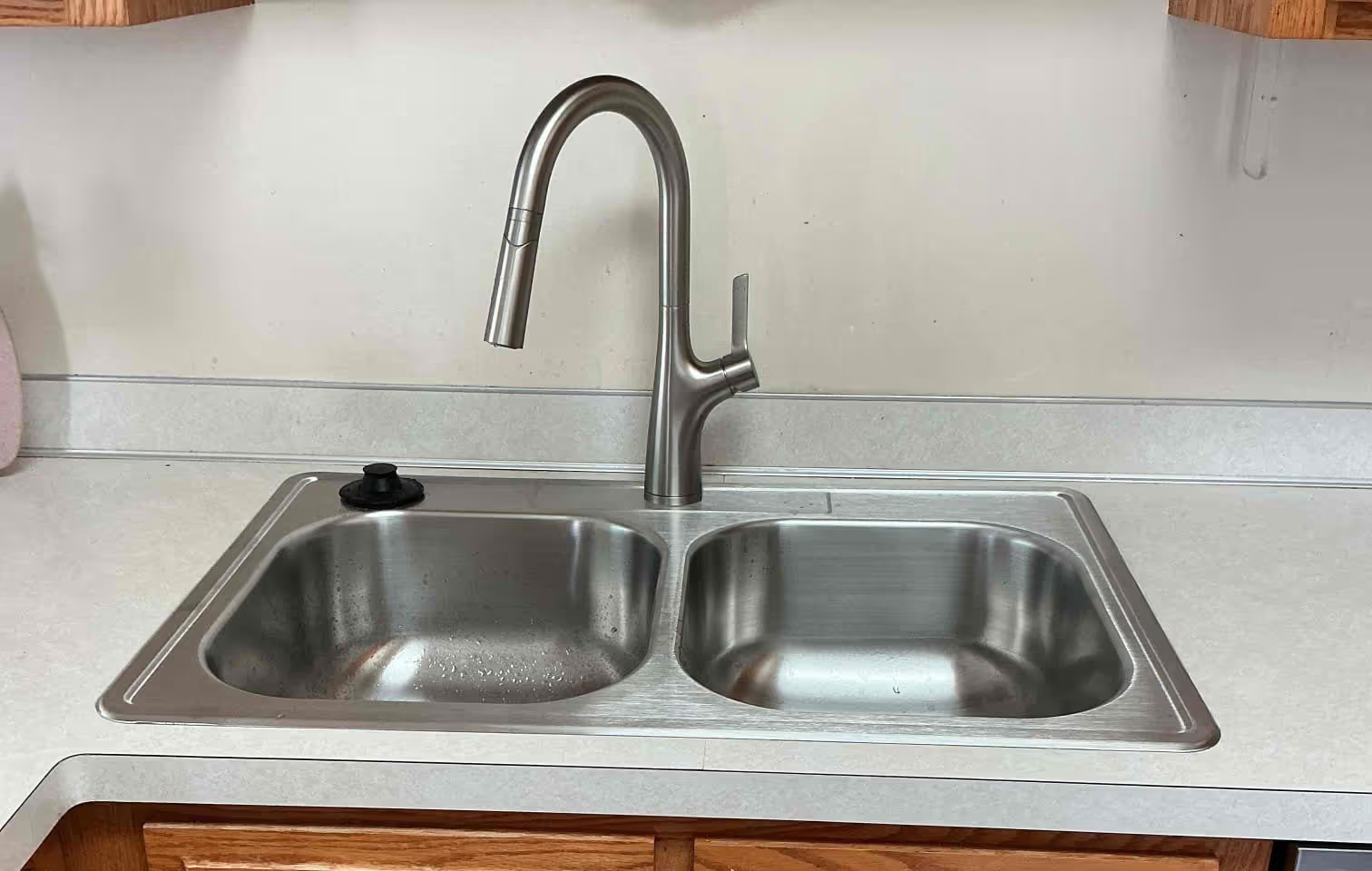
A homeowner on Yew Point in Eagan wanted to replace an outdated, malfunctioning kitchen faucet with a hassle-free upgrade. Here's exactly how our licensed plumbing team removed the old setup, inspected every connection, installed the new sink and faucet, and tested everything before driving away.

What we check during a whole-home plumbing inspection in Maple Grove, why it comes free with every service call, and the small problems we catch before they cost you thousands.
Chlorine, sodium, and what your softener does to drinking water. A Maple Grove plumber explains when to add reverse osmosis filtration to your city water.
Find out what is actually in your Maple Grove water. A licensed plumber explains the 15-contaminant sample test, what red yellow and green results mean, and your treatment options.
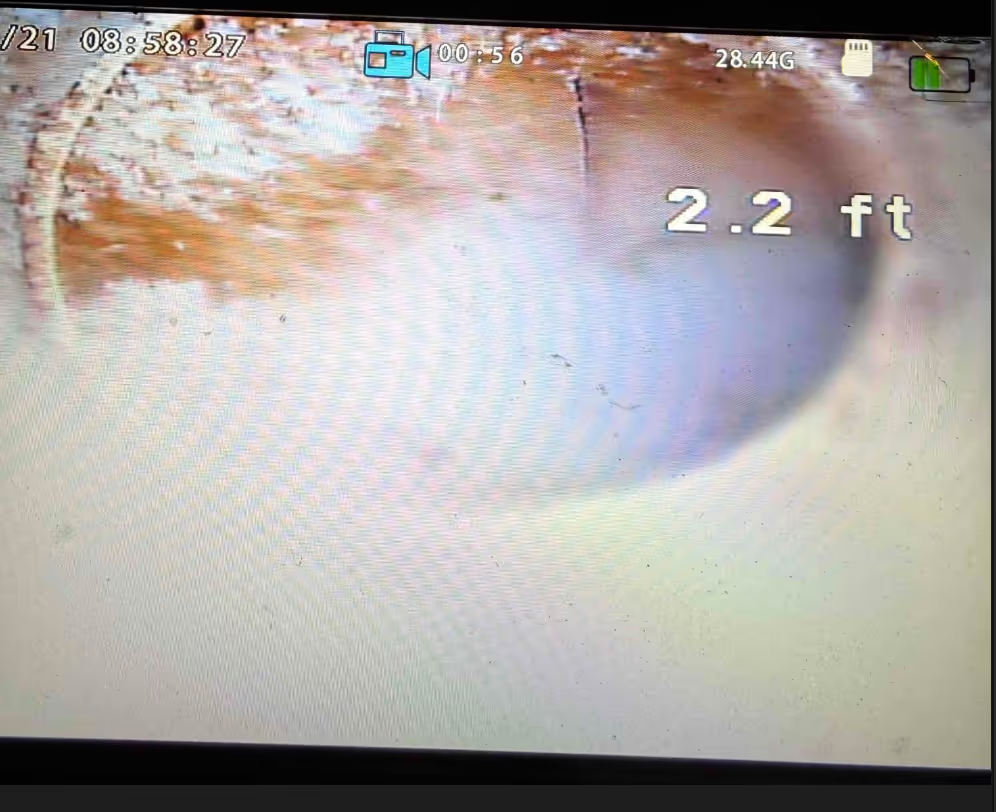
Pre-purchase sewer camera inspection in Eden Prairie, MN. 118 feet documented, line cleared to close.

Kitchen, bath, and gas line install in Saint Michael, MN. Passed city inspection same day (3:25 PM).