
Give us a call: 763-220-3765

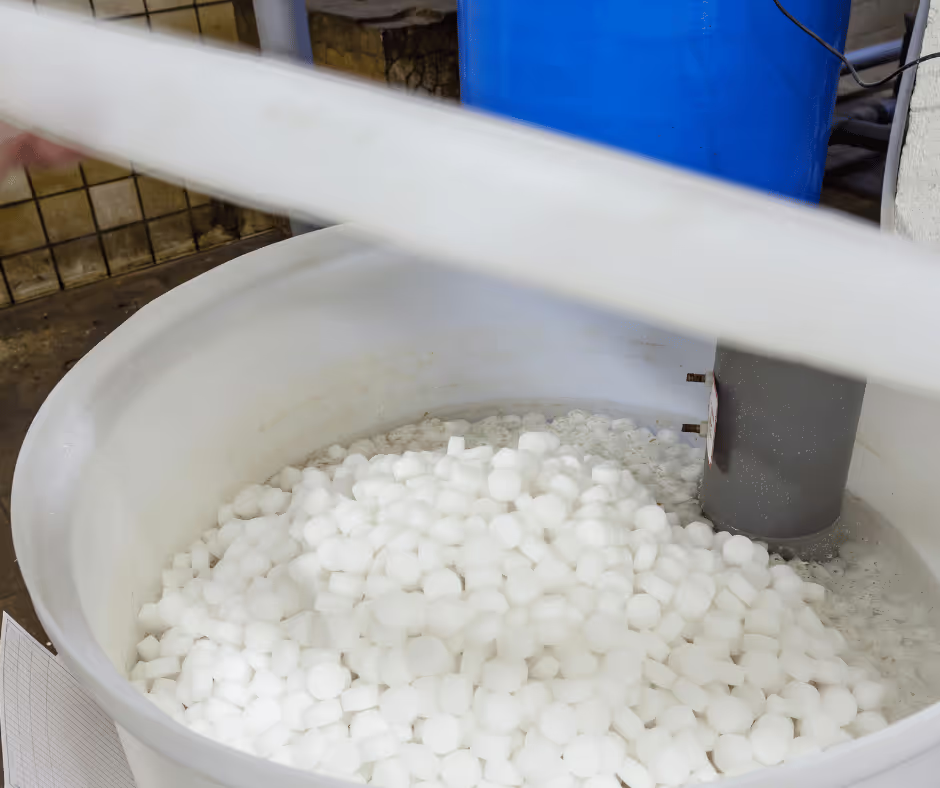
If you're searching "water softener vs water filter Maple Grove" or "do I need both water softener and filter Minnesota," you're asking a question that confuses many Twin Cities homeowners. These systems serve different purposes, and understanding the difference helps you make the right choice for your home's water quality needs.
At First Class Plumbing, we install both water softeners and water filtration systems throughout Maple Grove, Plymouth, Minnetonka, and the Northwest Metro. Here's what each system does and when you need one, the other, or both.
Water softeners remove hardness minerals—specifically calcium and magnesium—from your water through ion exchange. They solve problems caused by Minnesota's notoriously hard water:
Water softeners don't remove contaminants like chlorine, chemicals, bacteria, or sediment. They specifically target hardness minerals. If your Maple Grove water tastes good but causes spotty dishes and soap scum, a water softener solves your problem.
Water filtration systems remove contaminants, chemicals, sediment, and substances that affect taste, odor, and safety. Different filtration systems target different contaminants:
Carbon filters remove chlorine, chloramines, pesticides, herbicides, and organic chemicals. They improve taste and odor significantly. Twin Cities municipal water is treated with chlorine—carbon filters remove that chlorine taste and smell.
Sediment filters remove particulate matter like sand, silt, rust, and dirt. These are essential for well water and helpful for some city water situations.
Reverse osmosis systems remove nearly everything—hardness minerals, chemicals, heavy metals, bacteria, viruses, and dissolved solids. They produce ultra-pure water but waste significant water in the process.
UV filters kill bacteria and viruses using ultraviolet light. These are critical for well water safety but unnecessary for chlorinated city water.
Iron filters remove iron from well water, preventing rust stains and metallic taste.
Water filtration systems don't soften water. If your Maple Grove water tastes great but you're battling soap scum and spotty dishes, filtration doesn't solve hard water problems.
Here's the fundamental distinction Northwest Metro homeowners need to understand:
Hard water isn't dirty water. Minnesota's hard water is safe to drink and cook with. The calcium and magnesium causing hardness aren't health hazards—they're just annoying and damaging to plumbing and appliances. Hard water is a nuisance problem, not a safety problem.
Contaminated water isn't necessarily hard. You could have soft water full of chemicals, bacteria, or unpleasant tastes. Or you could have very hard water that's perfectly safe and tastes fine aside from mineral content.
For most Maple Grove homes with city water:
This means most Twin Cities homeowners benefit from water softeners. Whether you also need filtration depends on your specific water source and personal preferences.
Choose a water softener when you're dealing with hard water problems:
You have city water in Maple Grove, Plymouth, Minnetonka, or other Northwest Metro communities: Your water is hard—period. If you're seeing spotty dishes, soap scum, dry skin, or mineral buildup, you need softening.
Your water heater keeps failing prematurely: Sediment from hard water destroys water heaters. If yours failed at 6-8 years instead of 12-15, hard water is the culprit.
You're constantly scrubbing white buildup: That crusty white residue on faucets, shower doors, and fixtures is hardness minerals. Softening eliminates this.
Your skin and hair feel terrible: If everyone in your household complains about dry, itchy skin and rough hair after showering, hard water is stripping natural oils. Soft water feels dramatically different.
You're going through soap and detergent rapidly: Hard water prevents proper lathering, so you use far more product than necessary.
You have well water testing above 10 GPG: Wells around Maple Grove often exceed 15-20 GPG hardness. Softening is essential at these levels.
For Twin Cities homeowners, water softeners solve real, daily problems that affect quality of life and household expenses.
Choose water filtration when you're dealing with contaminant, taste, or odor problems:
You have well water: Wells need filtration to remove sediment, bacteria, iron, and other contaminants that city water treatment handles. Even if hardness isn't an issue, well water filtration is critical for safety.
Your city water tastes or smells like chlorine: Maple Grove, Plymouth, and other cities chlorinate water for safety. Carbon filtration removes chlorine taste and odor while keeping you safe from bacteria.
You notice rust-colored or brown water: This indicates iron in your water (common in wells) or corroding pipes. Iron filtration removes the discoloration and metallic taste.
You want premium drinking water quality: Reverse osmosis systems under your kitchen sink produce ultra-pure water for drinking and cooking. This is a luxury upgrade beyond basic safety needs.
Your water has an unusual smell (rotten egg, musty, earthy): These odors indicate specific contaminants that carbon or specialized filters address.
Water testing reveals specific contaminants: If professional water testing shows arsenic, lead, pesticides, or other specific contaminants, targeted filtration systems remove them.
For most Maple Grove homeowners with city water, filtration is optional—a quality-of-life upgrade rather than a necessity. For well water homeowners, filtration is essential for safety.
Many Northwest Metro homeowners benefit from combining water softening and filtration:
Well water that's both hard and contaminated: This is extremely common around Maple Grove. Well water often contains high hardness (15-25 GPG), iron, bacteria, sediment, and other issues. You need both softening for hardness and filtration for contaminants.
City water homeowners who want premium quality: Your city water is safe but hard and chlorinated. Installing a whole-house softener for hard water problems plus an under-sink reverse osmosis system for pristine drinking water gives you the best of both worlds.
Homes with iron and hardness: Iron and hardness together create stubborn problems. Iron filters remove iron before it reaches the softener, and the softener handles hardness. This combination prevents iron from fouling softener resin.
Hard water plus chlorine taste concerns: Install a whole-house water softener to solve hard water problems throughout your home, plus a carbon filter to remove chlorine taste from drinking water. This addresses both issues efficiently.
The good news: combining systems is straightforward. We install them in sequence—typically filtration first, then softening—so each system protects the next.
Maple Grove city water (typical scenario):
Well water with hardness and sediment:
Well water with iron and hardness:
City water homeowner wanting everything:
We design systems based on your specific water quality test results and household priorities.
Understanding costs helps Maple Grove homeowners make informed decisions:
Water softener only: $1,200-$2,500 installed
Whole-house carbon filter only: $800-$1,500 installed
Under-sink reverse osmosis system: $400-$800 installed
Whole-house softener + under-sink RO: $1,600-$3,200 combined
Well water complete system (sediment + iron + softener + UV): $3,000-$5,500
For most Twin Cities homeowners with city water, a water softener alone solves the most significant problems. Adding filtration is a quality-of-life upgrade that improves taste and removes chlorine but isn't strictly necessary.
Maple Grove homeowners often ask how pitcher filters (like Brita) or refrigerator filters compare to whole-house systems.
Pitcher filters: These are small carbon filters that improve taste and remove some chlorine. They're inexpensive but:
Pitcher filters are better than nothing for drinking water taste but don't address hard water problems throughout your home.
Refrigerator filters: Built-in fridge filters are essentially under-sink carbon filters for your ice maker and water dispenser. They're convenient but:
Both pitcher and fridge filters have their place, but they're not alternatives to whole-house water treatment. They're supplemental conveniences for drinking water.
Before investing in water treatment for your Maple Grove home, test your water:
For city water homeowners:
For well water homeowners:
We provide free water hardness testing for Northwest Metro homeowners considering water treatment systems. For comprehensive well water analysis, we can recommend certified testing labs.
Testing removes guesswork and ensures you invest in the right treatment for your specific water quality.
Both water softeners and filtration systems require specific installation conditions:
Water softeners need:
Whole-house filters need:
Under-sink systems need:
Most Maple Grove homes have adequate space for standard residential equipment. We assess your installation location during consultations and discuss any space constraints.
Understanding ongoing maintenance helps you choose the right system:
Water softener maintenance:
Carbon filter maintenance:
Reverse osmosis maintenance:
Iron filter maintenance:
Water softeners and filters are relatively low-maintenance. Budget for salt and filter replacements, plus annual professional service for optimal performance.
Here's our straightforward recommendation framework for Twin Cities homeowners:
If you have city water and hard water problems (spotty dishes, soap scum, dry skin): Start with a water softener. This solves your primary problems. Add filtration later if you want improved taste.
If you have city water and mainly care about drinking water taste: An under-sink reverse osmosis system is sufficient. You don't need whole-house treatment if hard water effects don't bother you.
If you have well water: You almost certainly need both filtration (for safety) and softening (for hardness). Test your water and install comprehensive treatment.
If you're replacing your water heater due to sediment damage: Install a water softener to protect your new investment. Filtered water won't prevent sediment—only soft water does.
If you're remodeling bathrooms or kitchen: Consider whole-house softening to protect your new fixtures, tile, and faucets from hard water damage.
We never push unnecessary equipment. We assess your actual water quality, explain what each system accomplishes, and help you invest appropriately for your situation.
Choosing between water softeners and filtration systems—or determining whether you need both—depends on your specific water quality and household priorities. At First Class Plumbing, we provide honest assessments and practical recommendations for Twin Cities homeowners.
We'll test your water, explain your options, and design a treatment system that addresses your actual problems without unnecessary equipment or expense.
Call 763-220-3765 today for a free water quality consultation in Maple Grove and throughout the Northwest Metro. We serve homeowners in Plymouth, Minnetonka, Brooklyn Park, and the entire Twin Cities area with expert water treatment installation.
Contact First Class Plumbing for water treatment solutions that make sense for your home. Whether you need softening, filtration, or both, we'll help you get the water quality your family deserves.
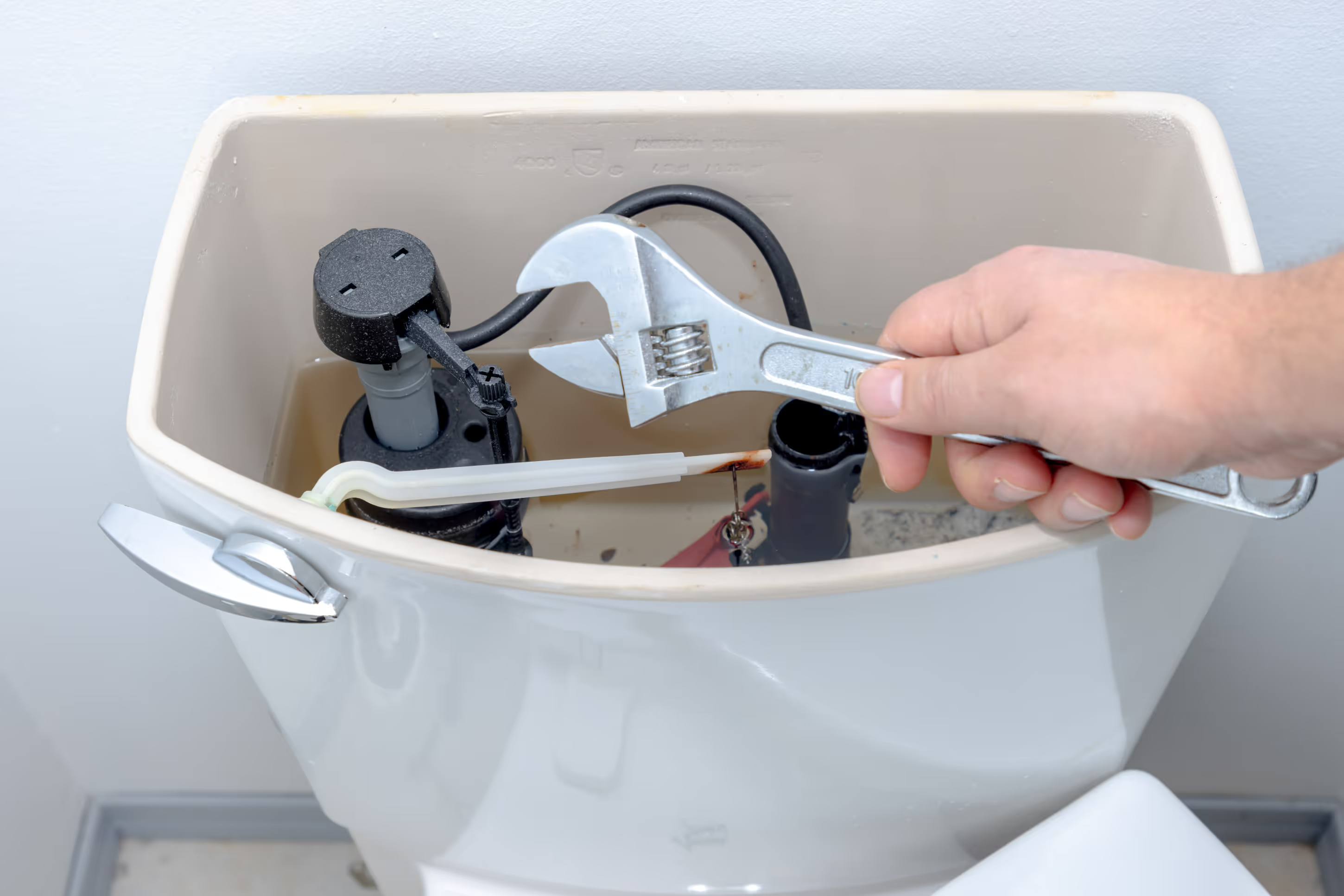
Learn why it's essential to call trusted pros for toilet installations and repairs.
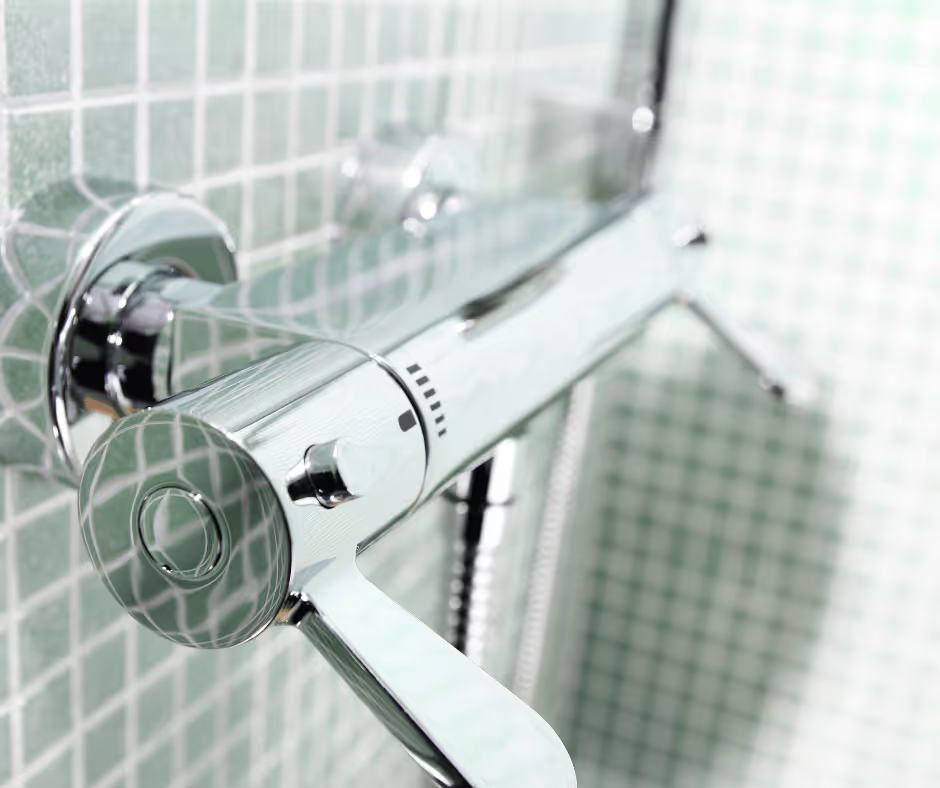
Shower valve dripping? It can be due to these common problems.
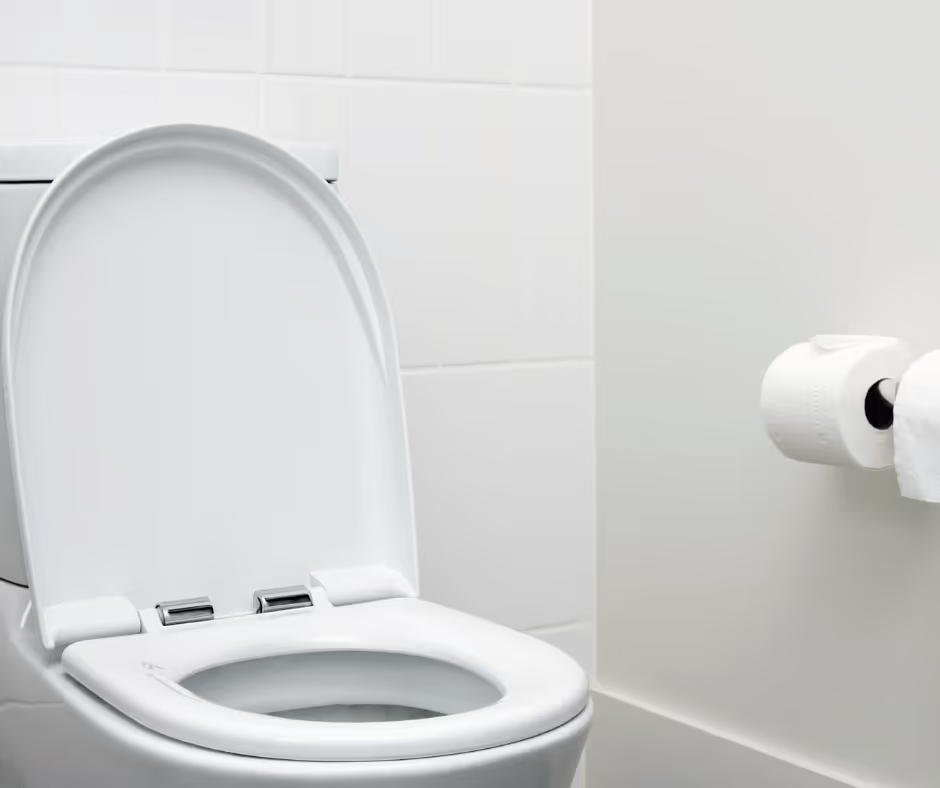
Experiencing frequent toilet clogs? Consider replacing it with these brands.
Should you install a water softener or a water filtration system? Consider these factors.
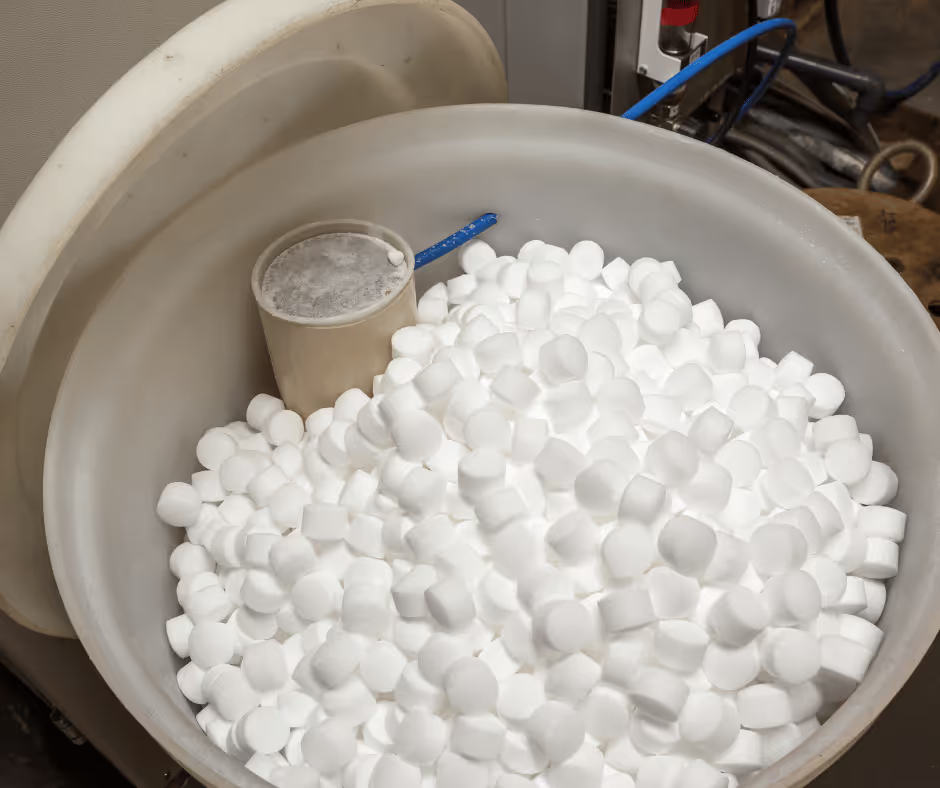
Worried your water softener is using too much salt? Get tips on common problems.
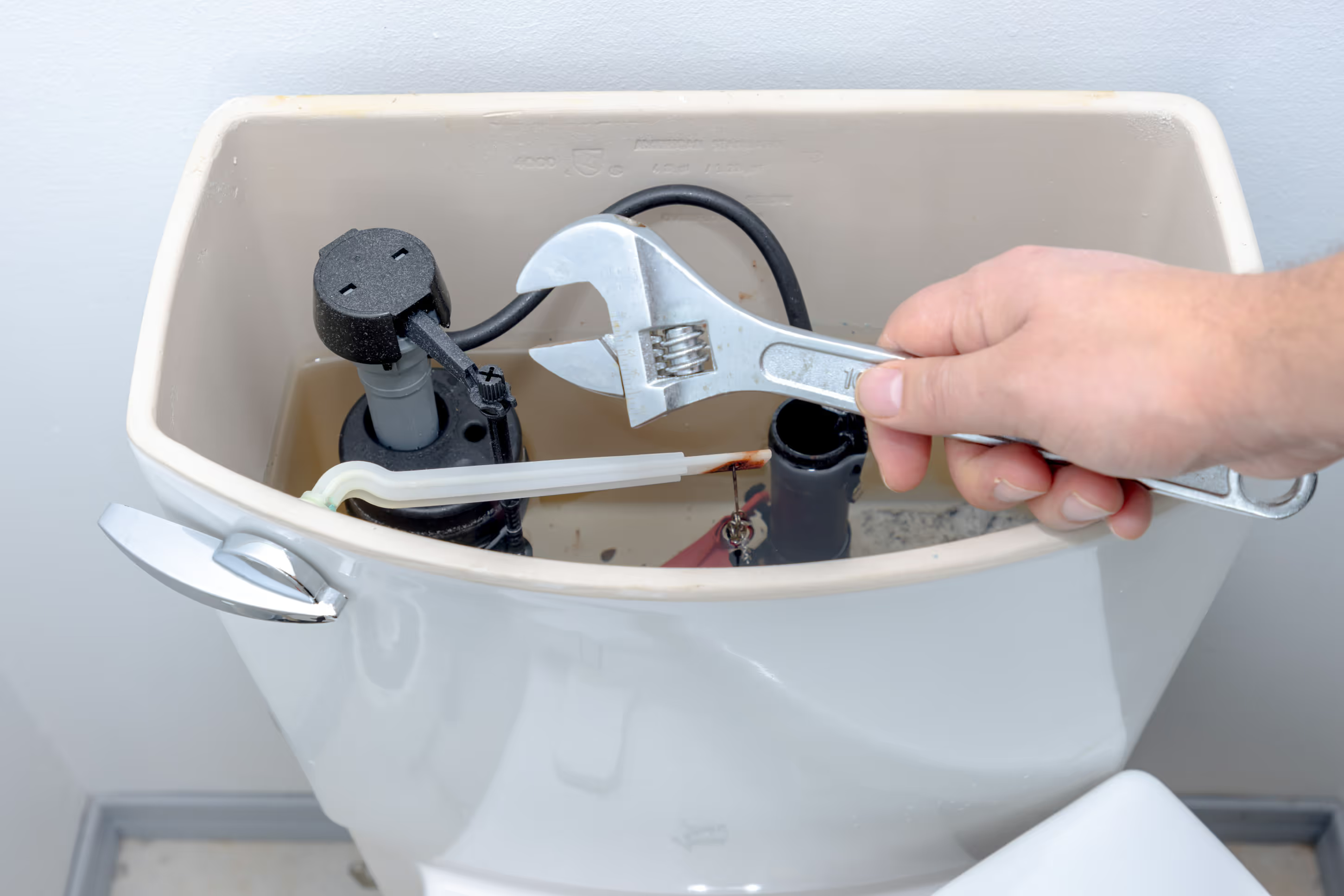
Attempting your own plumbing repairs can cause more damage to your system. Learn why you need a plumber.